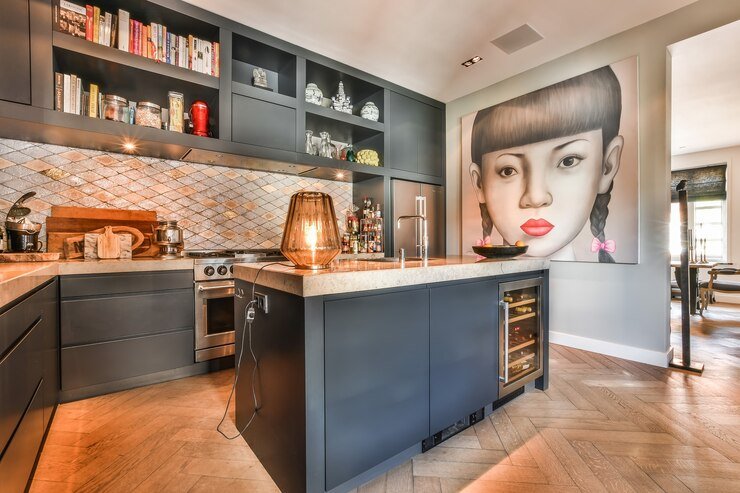
When you step into a kitchen, the cabinetry is often the first thing that catches your eye, acting as the visual anchor for the entire room. Because these units occupy the most significant amount of physical and visual real estate, they dictate the mood, the color palette, and the overall architectural “language” of your home. Experts are now looking ahead to 2026, predicting a shift away from the sterile, ultra-minimalist looks of the past decade in favor of designs that prioritize character, texture, and a sense of history. Whether you are planning a full-scale renovation or just looking to update your current setup, finding the right professionals for handling all of your cabinet work is a critical first step in ensuring these emerging trends are executed with the precision they deserve. This coming year is all about making the kitchen feel less like a laboratory and more like a curated living space.
The evolution of kitchen design is currently moving toward a “lived-in” aesthetic that values the human touch over industrial perfection. We are seeing a massive resurgence in traditional craftsmanship, where the focus is on the small, thoughtful details that make a piece of furniture feel unique rather than mass-produced. Instead of rows of identical, flat-panel doors, homeowners are opting for varied heights, mixed materials, and unexpected decorative flourishes. These elements work together to create a kitchen that feels like it has been thoughtfully assembled over time rather than installed in a single weekend.
The way we use our kitchens has fundamentally changed, and our storage solutions must reflect that shift toward multi-functional, high-traffic living. Modern families are looking for spaces that are both hardworking and beautiful, necessitating a balance between high-end aesthetics and rugged durability. When planning complex redesigns, cabinetry, and installations for the modern home, it is important to consider how these 2026 trends will age alongside your lifestyle. From the return of rich, natural woods to the emergence of slim-line architectural profiles, the following nine trends represent the pinnacle of what designers expect to see in the most fashionable homes of the near future.
The Return of the Artisan: Perforated Panels and Cut-Outs
The modern kitchen is shedding its reputation for being “flat” by introducing architectural depth through ventilation and decorative holes. Designers are predicting a significant rise in cabinetry that features artistic cut-outs, mesh inserts, and patterned airflow panels. These details do more than just look pretty; they offer a practical solution for air circulation in pantries or under-sink units while breaking up the monotony of solid wood or paint.
A Focus on Texture and Pattern
Instead of relying solely on hardware for visual interest, these cut-out patterns allow the cabinet door itself to become a piece of art. Small diamond formations or circular vent holes can add a touch of mid-century charm or a rustic, cottage-core feel, depending on how they are styled. This trend speaks to a wider desire for “transparency” in design, allowing a hint of what is inside to peek through without exposing the entire contents of the cupboard.
Dark and Moody: The Renaissance of Rich Wood Grains
The era of the all-white kitchen is gracefully making way for the warmth and gravity of deep, natural timber. While light oak and pale ash have dominated the market for several years, 2026 is seeing a pivot toward much darker, grain-forward species like walnut and mahogany. These woods bring a sense of history and “soul” to a room, grounding the space and making it feel significantly more expensive and permanent.
Embracing Natural Imperfections
The beauty of this trend lies in the visibility of the grain, which provides a natural texture that paint simply cannot replicate. Designers are moving away from high-gloss finishes on wood, preferring matte or satin stains that allow the tactile nature of the material to shine. Dark wood also acts as a perfect foil for marble or stone countertops, creating a high-contrast look that feels both sophisticated and incredibly cozy.
Softening the Edge: Sculptural Forms and Curved Lines
The harsh, sharp corners that once defined modern kitchen design are being rounded off to create a more organic and inviting atmosphere. In 2026, we expect to see cabinetry that embraces fluid shapes, from curved island ends to rounded corner cupboards that lead the eye through the room. These sculptural forms make the kitchen feel softer and more “human,” removing the clinical edges that can sometimes make a large room feel cold.
Thoughtful Architectural Detailing
Beyond just the shape of the units, designers are adding depth through traditional molding and chamfered edges. Even a subtle profile change can transform a standard cabinet door into something that looks custom-built. By softening the transitions between surfaces, these decorative details allow light to play across the cabinetry in more interesting ways, adding a layer of visual complexity that feels very high-end.
Seamless Integration: The “Invisible” Kitchen
Even as we embrace decorative details, the demand for a clean, streamlined look remains a top priority for those who value order. The trend for integrated storage is evolving to become even more discreet, with appliances completely hidden behind matching cabinetry panels. The goal is to create a kitchen where the functional “working” parts of the room are invisible when not in use, leaving behind a space that feels like an extension of the living or dining room.
Smart Storage and Full-Height Units
To achieve this sleek look, designers are utilizing floor-to-ceiling cabinetry that maximizes every inch of vertical space. This removes the “visual noise” of cluttered countertops and creates a calm, unified backdrop. Inside these units, smart organizational systems ensure that everything from the coffee machine to the toaster has a dedicated home, allowing the kitchen to transform from a high-functioning workspace to a serene entertaining area in seconds.
Bold and Brave: The New Era of Color
The 2026 palette is moving away from “safe” neutrals like gray and beige, opting instead for deep, saturated, and often unexpected hues. We are seeing a rise in “moody” colors like burgundy, plum, and forest green, alongside more playful choices like mustard yellow or dusty mauve. These colors are being used to create “color-drenched” rooms where the cabinets, walls, and even the trim are painted in the same striking shade.
Creating a Balanced Palette
For those who find a single bold color too daring, the two-tone kitchen remains a popular and stylish compromise. Pairing a rich, dark green on the base cabinets with a warm wood or a soft cream on the upper units keeps the space feeling balanced and bright. These complex, earthy tones are designed to feel timeless rather than trendy, providing a sophisticated backdrop that evolves with the changing seasons.
The Evolution of the Shaker: The Micro-Profile
The Shaker-style cabinet is arguably the most popular kitchen design in history, but it is undergoing a modern facelift for 2026. The “Micro-Shaker” features much thinner rails and stiles than the traditional version, offering a more delicate and architectural look. This slimline profile maintains the classic framed appearance that people love but feels much lighter and more contemporary, making it ideal for smaller kitchens.
A Modern Take on a Classic
The beauty of the micro-shaker is its versatility; it looks just as good in a rustic farmhouse as it does in a sleek city apartment. By refining the proportions, designers have created a look that provides structure and shadow-play without the visual bulk of a heavy timber frame. It is the perfect choice for homeowners who want a look that is “timeless with a twist.”
Luxury Finishes: Lacquer and Specialty Paints
In a world of mass-produced goods, bespoke finishes are the ultimate status symbol in kitchen design. We are seeing a return to high-drama finishes like hand-applied lacquer, which gives cabinets a glass-like sheen and incredible depth of color. Beyond just high-gloss, specialty finishes like muraled fronts or hand-painted textures are being used to make the kitchen feel unique to the homeowner.
Experimenting with New Materials
The search for something “different” is leading designers to experiment with colored acrylics and mixed-media cabinetry. These materials offer a level of durability and vibrancy that traditional paint cannot match. By treating the cabinet door as a canvas, these specialist finishes allow for a level of personalization that turns the kitchen into the artistic heart of the home.
The Unfitted Look: The Rise of Freestanding Furniture
One of the most exciting shifts in kitchen design is the move away from continuous runs of built-in units toward a more “unfitted” look. This involves incorporating freestanding pieces—like a vintage-style larder, a dedicated coffee station, or a furniture-style island—into the layout. This approach creates a more relaxed, lived-in feel that mimics the way we decorate our living rooms.
Versatility and Character
Freestanding cabinetry offers a level of flexibility that built-in units simply can’t provide. Pieces can be moved around, replaced, or updated more easily, allowing the kitchen to evolve with your needs. It also provides an opportunity to mix different styles; for example, you might have modern perimeter cabinets paired with a chunky, dark-wood freestanding hutch. This “mix and match” philosophy is central to the 2026 aesthetic.
Visible Texture: Stained over Painted
While painted kitchens will never truly go out of style, there is a clear trend toward stained finishes that celebrate the natural beauty of wood. Unlike paint, which sits on top of the surface and hides the material underneath, a stain penetrates the grain, adding color while highlighting the wood’s inherent texture. This look is gaining popularity because it feels more “authentic” and grounded.
Saturated Stains and Earthy Tones
We aren’t just talking about natural wood stains; 2026 is all about saturated “colored” stains. Imagine a deep emerald green or a rusty terracotta stain that allows the swirls and knots of the timber to show through. This creates a multi-dimensional look that is far more interesting than a flat, painted surface. It is a sophisticated way to introduce color while maintaining the warmth and longevity that only real wood can provide.