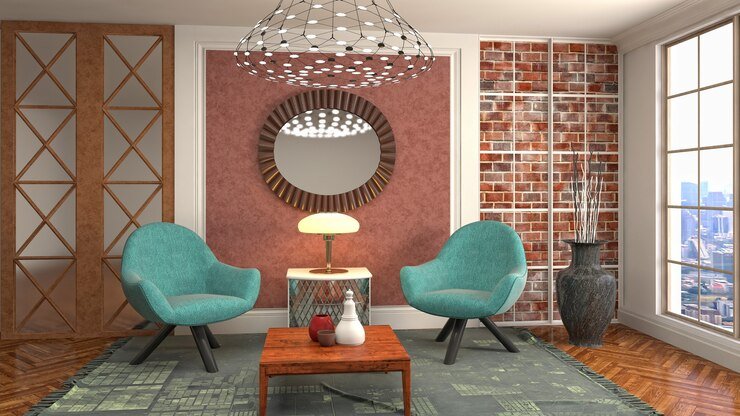
If you find yourself drawn to interiors that feel grounded in history but are unsure how to categorize your specific taste, you are likely navigating the narrow channel between traditional and transitional design. These two styles are among the most celebrated in the world of home decor because they both offer a sense of permanence and comfort that trend-heavy modernism often lacks. However, while they share a common lineage, the way they manifest in a living space is fundamentally different. Understanding these nuances is essential for anyone looking to curate a home that feels both intentional and timeless. This guide explores the core characteristics of each aesthetic and provides the necessary steps to modernize a traditional home layout so that your living space feels curated rather than cluttered. By the end of this deep dive, you will be able to distinguish between the ornate formality of the past and the balanced versatility of the present.
Defining the Grandeur of Traditional Decor
Traditional interior design is far more than just “old-fashioned” furniture; it is an intentional celebration of the elegance and order found in classic European homes from previous centuries. This style draws its primary inspiration from the 18th and 19th centuries, specifically looking toward the architectural and decorative triumphs of the Victorian, Georgian, and Colonial eras.
When you walk into a traditionally designed room, the first thing you notice is a sense of history and opulence. Every element, from the window treatments to the floorboards, is designed to evoke a feeling of refinement. This is an aesthetic that thrives on symmetry and a sense of “completeness.” You won’t find many empty corners in a traditional home; instead, rooms are richly layered with meaningful objects, intricate patterns, and substantial furniture. It is a look that works exceptionally well in older houses that possess original architectural details like high ceilings, crown molding, and grand fireplaces.
The furniture in these spaces is often the star of the show, characterized by dark woods like mahogany, cherry, or walnut. You might see chairs with claw feet, tables with intricate marquetry, and sofas featuring deep button tufting and ornate trimmings. Fabric choices play a crucial role here as well, with heavy, luxurious materials like velvet, silk, and brocade taking center stage. To get a better sense of how these materials interact in a functional space, you might find inspiration by browsing a remodel works bath & kitchen design of san diego website for ideas on high-end finishes, though the focus remains on the classical application. Ultimately, traditional design is about creating a space that feels established, formal, and deeply connected to the craftsmanship of the past.
The Versatile Appeal of Transitional Style
Transitional design is often described as the “happy medium” of the interior design world because it successfully bridges the gap between the ornate past and the minimalist present. This style takes the foundational comfort of traditional silhouettes but strips away the heavy ornamentation, replacing it with the clean lines and neutral palettes found in contemporary design.
The goal of a transitional space is to achieve a delicate balance where neither the old nor the new dominates the room. It offers a fresh, updated take on classic aesthetics, making it a popular choice for those who find traditional design too stuffy and modern design too cold. In a transitional home, the atmosphere is decidedly more relaxed and versatile. You might see a classic wingback chair upholstered in a simple, light linen fabric rather than a heavy, patterned damask. This juxtaposition creates a room that feels sophisticated but is also perfectly suited for modern, everyday living.
Texture replaces color as the primary driver of visual interest in these interiors. While a traditional room might rely on deep jewel tones and busy floral patterns, a transitional room utilizes a palette of soft greys, tans, and off-whites. To prevent the space from feeling flat, designers mix various materials such as warm wood, sleek metal, and tactile glass. This creates a layered, sensory experience that feels incredibly current. By leaning into this hybrid approach, homeowners can create a fluid look that allows for more experimentation and personal expression than a rigid historical style would permit.
Identifying the Core Contrasts
While both styles are rooted in a love for classic shapes, the primary difference lies in the level of formality and the specific decorative elements used to finish a room. Traditional design is a commitment to a specific era, whereas transitional design is a conversation between different periods of time.
The Role of Color and Pattern
In a traditional home, color is used to convey drama and status. Think of deep emerald greens, rich burgundies, and navy blues. These colors are often paired with busy, intricate patterns like paisley, damask, or floral prints. The result is a space that feels “full” and highly decorated. On the other hand, transitional design favors a much more subdued approach. The colors are muted and calming, allowing the architectural lines of the furniture to stand out. Patterns are usually kept to a minimum, often appearing as subtle textures or tonal motifs rather than high-contrast prints.
Detailing and Ornamentation
Ornate detailing is the hallmark of the traditional look. This includes everything from gilded frames and crystal chandeliers to elaborate wood carvings and heavy fringe on upholstery. Every piece of decor is meant to be a conversation starter. Transitional design, however, embraces a “less is more” philosophy regarding ornamentation. While you might still see a curved sofa or a classic rug, the frames are simpler, the lighting is more streamlined, and the overall silhouette is much smoother. It is a process of editing the past to fit the functional needs of the present.
Which Style Suits Your Lifestyle?
Choosing between these two aesthetics often comes down to how you want your home to function on a daily basis and the emotional response you want the space to evoke. Both styles offer beauty and longevity, but they cater to different sensibilities regarding comfort and presentation.
If you are someone who loves the idea of a home that feels like a polished sanctuary, traditional design might be your calling. It is perfect for those who enjoy hosting formal dinner parties and appreciate the “ceremony” of a well-appointed room. There is a profound sense of comfort in the stability of traditional decor; it feels like a style that has stood the test of time and will continue to do so for decades. It honors the history of the home and provides a sense of grandeur that is hard to replicate with modern pieces.
Conversely, if you prefer a home that feels airy, light, and adaptable, transitional design is likely the better fit. This style is incredibly forgiving, allowing you to incorporate family heirlooms alongside new, contemporary purchases without the room feeling disjointed. It is a style that grows with you. Because the color palette is neutral and the lines are clean, it is easy to update the look of a transitional room simply by swapping out a few accessories or pieces of art. It offers the elegance of the past without the maintenance and rigidness of a strictly formal interior.
Finding Harmony in the Mix
Ultimately, the most successful homes are those that reflect the unique personality of the people living inside them, regardless of strict design labels. Whether you choose the opulent path of traditionalism or the balanced route of transitional design, the key is to focus on quality and proportion. By understanding the historical roots of traditional style and the refreshing clarity of transitional elements, you can create a home that feels both sophisticated and deeply personal.