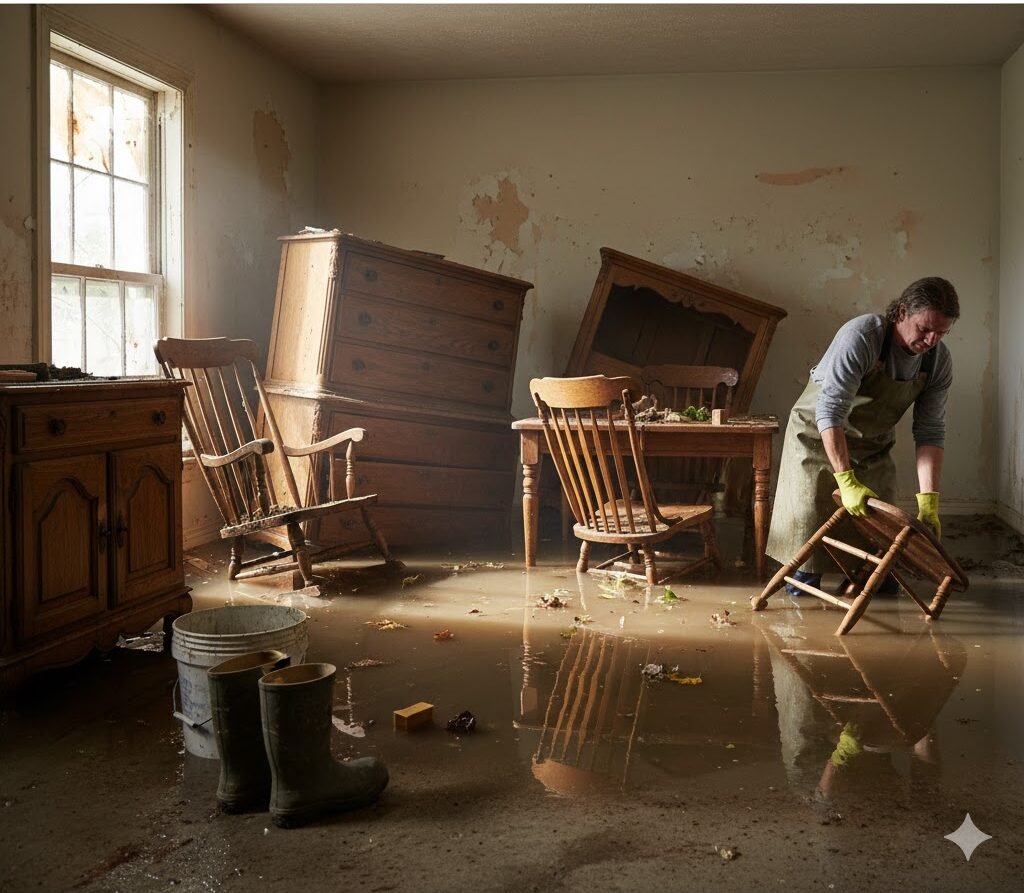
It is a heart-sinking moment when you walk into a room and see your cherished wooden furniture sitting in several inches of water. Many homeowners assume that once wood is saturated, it is destined for the landfill, but that isn’t always the case. Timing is everything, and the first forty-eight hours represent a critical window where restoration is still a strong possibility. Understanding whether your pieces can be salvaged depends on the type of wood, the duration of exposure, and the quality of the water involved. For those currently facing this crisis, reaching out to experts who fixes water damage in San Diego, CA, is a vital step in the recovery process before the damage becomes irreversible. The resilience of wood is often surprising, provided the right techniques are applied immediately.
The first step in any recovery effort is a realistic assessment of the situation. Water damage is not a monolithic problem; it exists on a spectrum ranging from a minor nuisance to a biohazardous catastrophe. If your furniture has been submerged for more than a few days, the chances of a successful restoration drop significantly as the wood fibers begin to break down and mold takes hold. However, if you act quickly, even pieces that look heavily damaged can often be returned to their former glory through patience and proper care.
When a pipe bursts or a drain backs up, the immediate reaction is often panic. Stopping the source of the water is the absolute priority to prevent further saturation of your household goods. Calling a professional like bob the plumber can help stop the source of the flow before the water has a chance to soak deeply into your baseboards and furniture legs. Once the environment is stabilized and the water is no longer rising, you can begin the methodical process of examining each piece of furniture to determine its viability for repair.
Understanding the Three Categories of Floodwater
The source of the water dictates the level of sanitization required and whether it is safe to keep the furniture at all. Professionals generally divide water into three distinct categories based on its level of contamination.
Category 1: Clean Water
This is the “best-case scenario” in a bad situation. This water comes from a clean source, such as a broken supply line or an overflowing sink that hasn’t touched contaminants. This type of water poses no immediate health risk to you or your family. If you can get the furniture into a dry environment and begin the evaporation process within 48 hours, you have an excellent chance of saving the item without having to deal with deep bacterial growth.
Category 2: Gray Water
This water contains a significant level of contamination and has the potential to cause sickness if consumed or touched. Examples include discharge from dishwashers, washing machines, or toilet overflows that do not contain fecal matter. Furniture exposed to gray water requires much more than just a simple drying out. It needs to be thoroughly cleaned and sanitized with appropriate antimicrobial agents to ensure it is safe for continued use in the home.
Category 3: Black Water
This is the most dangerous form of water damage and often occurs during major outdoor flooding or sewage backups. This water contains harmful bacteria, chemicals, and waste that can pose severe health risks. While solid wood can sometimes be saved after exposure to black water, it requires professional-grade sanitization that goes deep into the grain. In many cases, if a piece is not an irreplaceable antique, replacement is often the safer and more cost-effective choice.
Determining Which Pieces Are Worth the Effort
Not all furniture is created equal when it comes to surviving a major water event, and the material composition of the piece is the biggest factor in its survival rate.
The Resilience of Solid Hardwoods
Furniture made from solid hardwoods like oak, walnut, maple, and cherry is incredibly hardy. These woods are dense, meaning they absorb water much more slowly than softer materials or manufactured products. Because solid wood is a single, consistent material throughout, it can withstand the swelling and shrinking process better than layered materials. Even if the surface becomes stained or warped, solid wood can be sanded down, planed, and refinished multiple times.
The Problem with Modern Manufactured Wood
Modern discount furniture is often made from particle board, MDF (medium-density fiberboard), or pressed wood. These materials are essentially sawdust held together by glue and covered with a thin veneer. When these materials get wet, they act like a sponge. They swell rapidly, lose their structural integrity, and often begin to crumble or “blow out” at the edges. Unfortunately, once manufactured wood has absorbed a significant amount of water, it is almost impossible to restore to its original shape and strength.
Immediate Actions to Take for Furniture Salvage
Once the water has been cleared, you must move the furniture to a dry, climate-controlled environment as quickly as possible to stop the progression of damage.
One of the most important things you can do is remove all movable parts from the furniture. Take out all the drawers, remove any cabinet doors, and take off any hardware. As wood absorbs water, it swells. If you leave drawers inside a dresser, they may become permanently stuck as the wood expands against the frame. By removing them, you allow air to circulate all sides of the wood, which speeds up the drying process and prevents the wood from warping into a shape that prevents future assembly.
Cleaning the furniture while it is still damp is also a vital step. If the floodwater carried silt, mud, or debris, you should gently wash it off before it dries. Once mud dries onto wood, it can be abrasive and may scratch the finish if you try to scrub it off later. Use a soft cloth and a very mild soap solution to wipe away surface grime, but be careful not to saturate the wood further during this cleaning process.
The Science of Controlled Drying
It is an instinct to want to dry furniture as fast as possible using high heat or direct sunlight, but this is actually one of the worst things you can do to wood.
Wood needs to dry slowly and evenly. If the exterior dries significantly faster than the interior, the resulting tension can cause the wood to crack, split, or warp violently. Instead of using heaters, you should use high-capacity fans to keep air moving and industrial-strength dehumidifiers to pull moisture out of the atmosphere. Keeping the furniture in a shaded, cool, and well-ventilated area is the safest way to ensure the fibers return to their original state without catastrophic failure.
Using a moisture meter is the only way to be certain that the wood is truly dry. To the touch, wood may feel dry after a few days, but the internal moisture content could still be very high. Most experts recommend waiting until the wood reaches a moisture level of 6% to 8% before attempting any repairs or refinishing. If you apply a new finish or glue joints back together while the wood is still holding internal moisture, the finish will likely bubble, and the glue will fail as the wood continues to shrink.
When to Consider Professional Restoration
While many people can handle the basic drying and cleaning of standard furniture, some situations require a level of expertise that only a professional restorer can provide.
If the piece in question is a valuable antique or a family heirloom, the risk of DIY mistakes is often too high. Professional restorers understand the specific types of glues and finishes used in different historical periods and can ensure that the value of the piece is preserved. They also have the tools to fix complex issues like lifting veneers or structural cracks that occur during the drying phase. Furthermore, if your home was flooded with contaminated water, a professional can ensure that the piece is chemically and biologically sanitized so it doesn’t bring odors or pathogens back into your living space.
Final Considerations and Future Prevention
Deciding what to save and what to throw away is often a balance between sentimental value and the practical cost of restoration.
If you have upholstered furniture that was soaked in contaminated water, it is almost always best to replace it. Upholstery, foam, and batting are nearly impossible to fully sanitize, and the cost of stripping a piece down to the frame and rebuilding it often exceeds the price of a new item. Focus your energy and resources on the solid wood pieces that have the best chance of a long life after the disaster.
Once you have successfully saved your furniture, take steps to protect it from future incidents. If you live in an area prone to seasonal flooding, consider using furniture risers to lift heavy pieces a few inches off the floor. Applying a high-quality, water-resistant sealer to the bottom of furniture legs can also provide a small but effective barrier against minor leaks. Being prepared and knowing how to act can turn a potential total loss into a manageable restoration project.