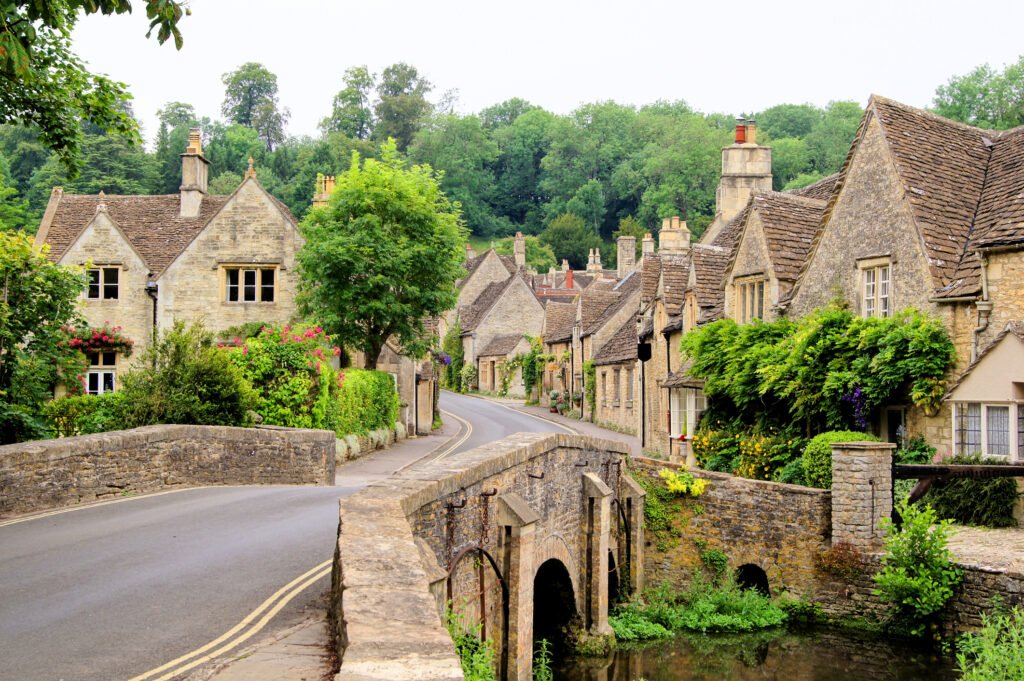
Purchasing property in the countryside can seem like a dream come true, particularly in one of Britain’s most sought-after regions. From charming stone cottages to substantial country estates, the Cotswolds attract buyers looking for character, tranquillity and long-term value. However, rural property purchases can also come with hidden challenges that are not always obvious during a viewing. This is why many buyers rely on Cotswold Buying Agents to help them navigate the market and avoid expensive mistakes. Their expertise can prove invaluable when assessing properties, negotiating deals and understanding the complexities of countryside living.
Unlike estate agents, who act on behalf of the seller, buying agents work exclusively for the purchaser. Their role is to protect the buyer’s interests throughout the process while helping them make informed decisions. In the Cotswolds, where properties often come with unique considerations such as listed status, private drainage systems and conservation restrictions, professional guidance can save buyers significant time, stress and money.
Understanding the Complexity of Rural Property
Buying rural property is very different from purchasing a standard suburban home. Many Cotswold properties are historic buildings with distinctive features, but age and charm can sometimes conceal expensive issues.
Stone cottages may suffer from damp, outdated heating systems or structural movement, while larger country homes often require ongoing maintenance and specialist repairs. Buyers unfamiliar with older rural properties may overlook these concerns until after completion.
Buying agents understand the realities of countryside ownership and know what to look for during the search process. Their experience helps buyers identify warning signs early, reducing the risk of unexpected costs later on.
They also help purchasers balance lifestyle aspirations with practical considerations, ensuring the property truly suits the buyer’s long-term needs.
Identifying Overpriced Properties
The popularity of the Cotswolds means property values can vary considerably, particularly in highly desirable villages. Buyers unfamiliar with the local market may struggle to determine whether a property is fairly priced.
Buying agents provide detailed market insight and analyse comparable sales before advising clients on value. They understand how factors such as location, accessibility, views and proximity to popular towns influence pricing.
For example, two cottages with similar appearances may differ significantly in value depending on road access, privacy or nearby development plans. A buying agent’s local knowledge helps buyers avoid overpaying for properties that may not offer strong long-term value.
This objective advice is especially important in emotional purchases where buyers may otherwise focus solely on appearance or charm.
Access to Off-Market Opportunities
Some of the most desirable homes in the Cotswolds never appear on public property portals. Sellers often prefer discreet sales, particularly for higher-value country houses or estates.
Buying agents maintain strong relationships with local estate agents, landowners and industry contacts, allowing them to access off-market opportunities before they become widely known.
This not only increases the range of available properties but can also reduce competition from other buyers. In popular villages where stock is limited, early access to suitable homes can make a significant difference.
By uncovering hidden opportunities, buying agents help clients secure properties they may never have found independently.
Assessing Location Beyond Appearance
One of the most common mistakes buyers make when purchasing countryside property is focusing too heavily on the house itself while overlooking the wider location.
A picturesque cottage may appear ideal during a weekend viewing but could be located on a busy tourist route, near agricultural activity or far from essential services.
Buying agents assess the practical realities of each location. They consider road access, flooding risks, local amenities, broadband speeds, commuting times and future development plans before advising clients.
This broader perspective helps buyers avoid unpleasant surprises after moving in and ensures the property supports their lifestyle requirements throughout the year, not just during occasional visits.
Navigating Listed Buildings and Planning Restrictions
Many Cotswold properties are listed buildings located within conservation areas. While these homes offer considerable charm and heritage appeal, they can also come with strict regulations.
Buyers may face limitations regarding renovations, extensions, window replacements or even interior alterations. Failing to understand these restrictions before purchasing can lead to costly complications.
Buying agents help clients identify potential planning or listed building concerns early in the process. They work closely with solicitors and surveyors to ensure buyers understand their obligations and any limitations affecting the property.
This guidance is particularly valuable for purchasers intending to renovate or modernise older homes.
Uncovering Hidden Maintenance Costs
Country properties often involve ongoing maintenance expenses that buyers may underestimate initially.
Private drainage systems, oil heating, extensive grounds and older roofing materials can all require specialist upkeep. Larger homes may also involve significant running costs throughout the year.
Buying agents help buyers understand these financial commitments before proceeding with a purchase. They can recommend appropriate surveys and advise on realistic maintenance expectations based on the property type.
This transparency allows buyers to budget accurately and avoid taking on properties that may become financially burdensome over time.
Skilled Negotiation That Protects Buyers
Negotiating rural property purchases requires local market knowledge and experience. Sellers often price homes based on emotional value or lifestyle appeal rather than realistic market conditions.
Buying agents negotiate on behalf of the purchaser using objective market evidence and comparable sales data. Because they remain emotionally detached from the transaction, they can negotiate strategically and professionally.
This often results in better purchase prices or improved terms for the buyer. In some cases, the savings achieved through negotiation can significantly outweigh the buying agent’s fee.
Their expertise becomes particularly valuable when dealing with unique properties where pricing is less straightforward.
Managing the Entire Buying Process
Property purchases can quickly become stressful, particularly when multiple professionals are involved and unexpected issues arise.
Buying agents coordinate the entire transaction process, working closely with solicitors, surveyors, mortgage brokers and estate agents to ensure everything progresses smoothly.
They help manage communication, monitor deadlines and resolve problems before they escalate. This support reduces pressure on the buyer while helping avoid delays and misunderstandings.
For busy professionals or overseas buyers, having an experienced professional oversee the process can be especially reassuring.
Helping Buyers Make Rational Decisions
Country homes can be highly emotional purchases. Buyers are often drawn to picturesque settings, character features and idyllic village lifestyles.
While emotional connection is important, it can sometimes cloud judgement. Buyers may overlook practical concerns or justify overpaying simply because they have fallen in love with a property.
Buying agents provide objective advice throughout the search and negotiation process. They help buyers remain focused on long-term suitability, investment value and practical considerations.
This balanced perspective can prevent costly mistakes driven by impulse rather than careful evaluation.
Long-Term Investment Insight
The Cotswolds remain one of the UK’s most desirable countryside markets, but not every property offers the same investment potential.
Buying agents assess factors such as future demand, infrastructure improvements, tourism pressures and local planning policies when advising clients.
They help buyers identify homes likely to retain strong resale value while avoiding properties that may face long-term challenges.
For purchasers viewing property as both a lifestyle choice and financial investment, this strategic guidance can be invaluable.
Why More Buyers Are Using Cotswold Buying Agents
As demand for countryside living continues to grow, more buyers are recognising the value of professional representation when purchasing rural property.
Cotswold buying agents provide local expertise, access to hidden opportunities and objective guidance that helps buyers avoid expensive mistakes. From assessing maintenance risks to negotiating prices and managing complex transactions, their role extends far beyond simply finding a property.
For many purchasers, particularly those relocating from cities or unfamiliar with rural ownership, working with a buying agent offers reassurance and confidence throughout the process.
In a market where charm can sometimes hide costly complications, experienced advice can make all the difference between a successful purchase and an expensive regret.