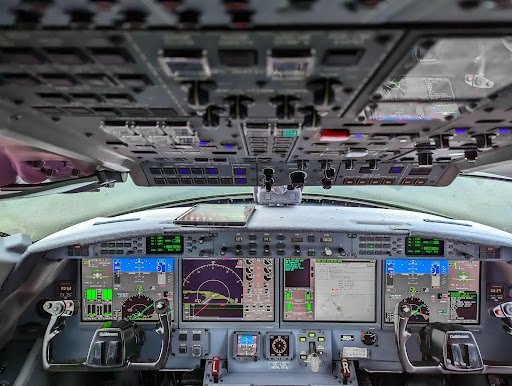
Modern industry operates in an environment where system uptime, safety, and reliability are paramount. From manufacturing plants to energy grids and data centers, organizations depend on complex machinery and interconnected systems that must function seamlessly under pressure. Yet, despite advancements in technology, unexpected failures still occur—often with costly consequences. Aviation, however, has long set the gold standard for anticipating and preventing such failures. By examining how the aviation sector monitors critical systems before issues escalate, other industries can adopt proven strategies to improve resilience, reduce downtime, and enhance operational safety.
Predictive Maintenance as a Core Discipline
Aviation’s success in minimizing catastrophic failure rests largely on its commitment to predictive maintenance. Aircraft systems are continuously monitored through sensors and diagnostic tools that track performance in real time. These systems do not simply react to faults—they forecast them, identifying subtle trends that signal potential issues long before they become critical.
Industries can learn from this proactive mindset. Instead of relying solely on scheduled maintenance or reactive repairs, organizations should invest in tools that analyze system behavior over time. By detecting anomalies early—whether in temperature, vibration, or performance metrics—companies can address issues before they disrupt operations. Predictive maintenance transforms maintenance teams from firefighters into strategists, enabling better planning and resource allocation. In aviation, this discipline is further reinforced through the use of accredited calibration services, ensuring that every sensor and measurement system used in aircraft monitoring delivers precise and reliable data under strict regulatory standards.
Real-Time Monitoring and Data Integration
One of aviation’s defining characteristics is its reliance on real-time monitoring systems. Pilots, engineers, and ground crews have access to a constant stream of data from multiple aircraft systems, all integrated into unified dashboards. This centralized visibility allows for rapid decision-making and coordinated responses.
Other industries often struggle with fragmented monitoring environments, where data is siloed across disparate tools. Adopting a more integrated approach—similar to aviation—can significantly improve situational awareness. For example, bringing together IT, operational technology (OT), and security monitoring into a cohesive framework enables faster identification of risks. This is where concepts like unified security operations become particularly valuable, offering a consolidated view of threats and system health across the organization. By breaking down data silos, teams can respond more effectively to emerging issues.
Redundancy and Fail-Safe Design
Aviation systems are built with redundancy at their core. Critical components often have backups that can take over instantly if a failure occurs. This design philosophy ensures that even when something goes wrong, it does not immediately escalate into a crisis.
Industries outside aviation can benefit from embracing similar fail-safe principles. Redundancy does not merely apply to hardware; it extends to processes, communication systems, and decision-making structures. For instance, having secondary data pathways, backup power systems, or alternative supply chains can significantly reduce the impact of disruptions. Designing systems with failure in mind—rather than assuming perfection—creates resilience and continuity.
Standardized Procedures and Continuous Training
Another key lesson from aviation is the emphasis on standardized procedures and rigorous training. Pilots and maintenance crews follow detailed protocols for every scenario, from routine operations to emergency situations. These procedures are regularly updated based on new data, incident analysis, and evolving best practices.
In many industries, inconsistency in processes can lead to gaps in system monitoring and response. Establishing clear, standardized procedures ensures that teams know exactly how to act when anomalies are detected. Coupled with ongoing training, this approach builds confidence and competence across the workforce. Employees become adept at recognizing early warning signs and executing appropriate responses, reducing the likelihood of human error exacerbating system failures.
Learning from Near Misses and Incident Analysis
Aviation does not wait for disasters to drive improvement. The industry places significant emphasis on analyzing near misses and minor incidents, treating them as valuable opportunities for learning. Detailed investigations uncover root causes, which are then used to refine systems, processes, and training programs.
This culture of continuous improvement is vital for other sectors. Too often, organizations focus only on major failures, overlooking smaller warning signs that could provide critical insights. By systematically analyzing near misses, companies can identify patterns and implement preventive measures. Encouraging transparent reporting and fostering a blame-free environment also ensures that employees feel comfortable sharing information that could prevent future issues.
Conclusion
Aviation’s approach to monitoring and maintaining critical systems offers a powerful blueprint for other industries striving to enhance reliability and safety. By adopting predictive maintenance, integrating real-time data, designing for redundancy, standardizing procedures, and learning from every incident, organizations can shift from reactive problem-solving to proactive risk management. In an increasingly complex and interconnected world, these lessons are not just beneficial—they are essential for preventing failure before it strikes.