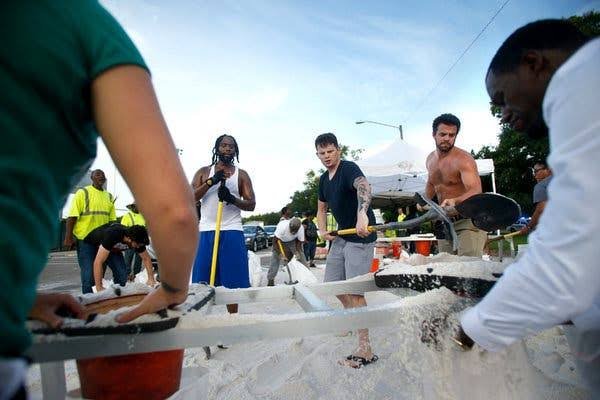
When severe weather hits your area, quick action saves lives. Getting a community ready takes teamwork, clear talk, and simple plans made before trouble starts. Local networks keep everyone safe when town services are under heavy strain.
Small steps taken today protect families when things change fast. Planning early keeps people calm during a crisis. Prepared towns stay safe.
Map Regional Weather Challenges
Arizona summers bring dust storms and extreme heat that put homes at risk. Families need clear plans to handle long power outages during hot summer months.
Local leaders can map out regional risks to protect neighborhoods from extreme weather. To learn more lifesaving skills, look into local training programs that offer quick certification. These courses give residents the ability to act fast during sudden medical emergencies.
Neighborhood networks can check in on at-risk neighbors during severe heatwaves. Staying in touch helps prevent heat illness.
Coordinate Local Disaster Planning
Local safety plans give towns the tools to withstand intense climate events. When town leaders build detailed risk guides, local areas become much safer against sudden threats. These plans protect people from sudden wildfires, flash floods, and seasonal disasters.
Organized groups share these safety blueprints with block leaders to coordinate local responses. Residents who understand local escape routes can help others during fast-moving desert hazards.
Prepared neighbors can guide families to safe zones quickly, and clear maps help everyone stay on track.
Track Neighborhood Medical Needs
Health preparation takes more than simple first aid bandages. Roughly half of all citizens take a daily medicine to stay healthy. Community groups can help neighbors organize personal medical supplies before supply chains stall.
Disaster kits must include a clear list of needed medicines for every household member. Neighbors can look out for one another by knowing who needs special medicine during long power cuts. Keeping extra medicine containers on hand helps avoid shortfalls.
Regular checks keep our most at-risk residents safe. Simple checkups save lives during grid blackouts.
Gather Supplies For Safe Storage
Stashing resources keeps homes safe when power grids or water lines fail. Keeping home supplies for at least 3 days creates a good base for managing common emergency situations. A well-stocked closet stops panic during long shelter orders.
Gather these basic items to safeguard your home:
- Bottled drinking water for 3 full days
- Non-perishable food items that require no cooking
- Battery-powered flashlights and fresh replacement cells
- Portable radios to monitor local broadcast updates
- Emergency blankets to manage temperature drops
- First aid kits stocked with sterile wraps
- Back-up power banks for communication devices
- Personal hygiene items and sanitary wipes
- Written emergency contact lists on paper
Stronger Neighborhoods Together
Actionable planning shifts communities from passive reaction to active readiness. When citizens work together, the whole region gains stability against unexpected events. Sharing resources and knowledge builds a safer place for every family down the road.
Working together keeps every street secure. Local bonds make us strong.
Seeking extra guidance to protect your household? Browse our wide selection of posts to keep your family safe.