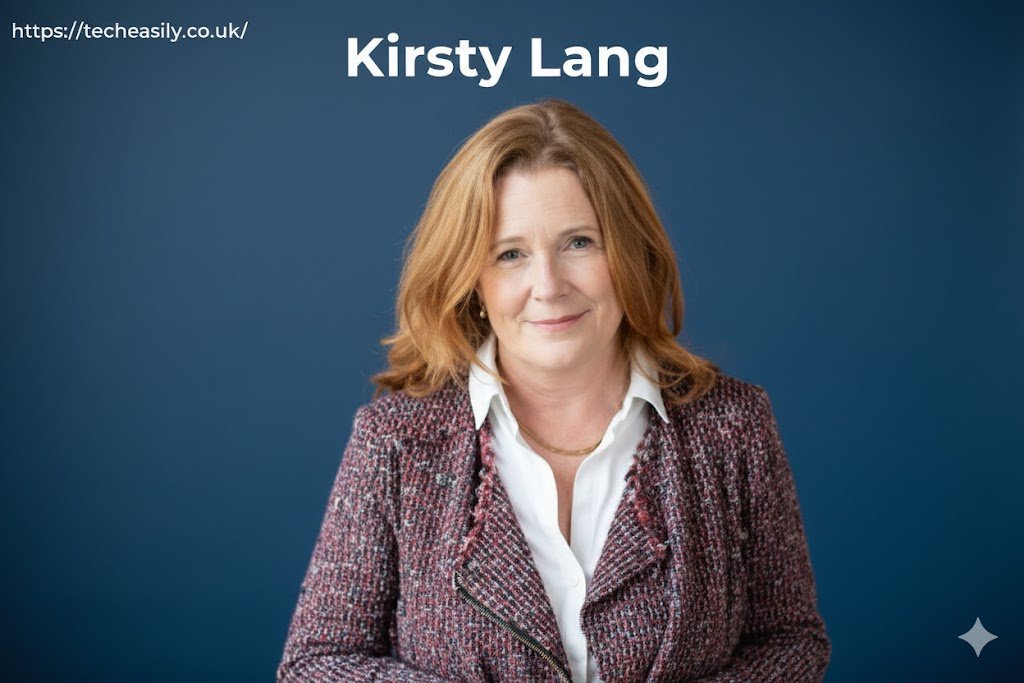
Kirsty Lang is a renowned British journalist, broadcaster, and cultural commentator with a career that spans over three decades. Known for her versatility and depth of knowledge, Lang has played a significant role in shaping the landscape of British media. From presenting flagship arts and news programs to engaging with global issues through her work with prominent organizations, Lang has established herself as one of the most influential media figures in the UK.
Early Career and Rise to Prominence
Kirsty Lang’s career began in the 1980s, where she quickly made her mark in the media world. Her early work as a graduate trainee at the BBC set the stage for her long and successful career. With a background in International Relations, Lang was well-equipped to tackle complex global issues, which she did with great skill during her time as a Central European correspondent for the BBC World Service. This role gave her the opportunity to report on significant geopolitical changes as the world witnessed the fall of the Berlin Wall and the collapse of the Soviet Union.
As Lang’s career progressed, she transitioned from foreign correspondence to becoming a prominent figure in British television. Her ability to cover a broad range of topics, from political developments to cultural trends, made her a trusted voice for millions of viewers.
Kirsty Lang The Front Row Era: A Voice for Arts and Culture
One of Lang’s most notable contributions to British broadcasting has been her role as the presenter of Front Row, the flagship arts program on BBC Radio 4. For nearly two decades, she became a familiar voice for listeners, discussing everything from theatre and film to literature and visual arts. Her deep knowledge of the arts and her ability to engage with a diverse array of cultural topics made her one of the most respected figures in arts journalism.
During her tenure, Lang interviewed countless prominent figures from the world of culture, including acclaimed authors, directors, and musicians. Her thoughtful and articulate interviewing style won her admiration, and Front Row became a must-listen for those interested in the arts.
Broadening Horizons: A Multi-Faceted Career
While Lang made her name through radio and television, her career also spanned various other platforms. She worked as a reporter and presenter for Channel 4 News, where she gained recognition for her incisive analysis and well-rounded commentary on global affairs. Lang’s ability to seamlessly transition from hard news to cultural reporting allowed her to maintain a prominent position in both the media and the arts sectors.
In addition to her work as a broadcaster, Lang has been actively involved in cultural governance. She has served as the chair of the board for the BALTIC Centre for Contemporary Art in Gateshead, where she contributed to the development and promotion of contemporary art in the UK. Her involvement with organizations like the British Council and Global Witness further exemplifies her commitment to using her platform to advocate for meaningful change in society.
Personal Challenges and Advocacy
Throughout her career, Kirsty Lang has been candid about the challenges she has faced, particularly in her personal life. In 2016, she was diagnosed with breast cancer, a battle she fought publicly to raise awareness about the disease. Lang’s openness about her diagnosis and treatment resonated with many, and her willingness to share her journey provided a sense of solidarity for others going through similar struggles.
Lang has also spoken about the challenges faced by freelance workers in the media industry, particularly regarding the lack of sick pay and job security. This issue became even more personal when Lang continued to work while undergoing chemotherapy, advocating for better protections for freelancers within the media industry.
Kirsty Lang A Legacy of Influence
Kirsty Lang’s career is defined by her ability to adapt and evolve, constantly pushing the boundaries of what a broadcaster can achieve. Whether reporting from the frontlines of geopolitical events, interviewing the world’s leading cultural figures, or using her platform to advocate for social causes, Lang has left an indelible mark on British media.
Her role as a cultural commentator and journalist has made her a key figure in shaping public discourse around the arts, politics, and social issues. Lang’s impact extends far beyond her broadcasting work—she has been instrumental in fostering conversations about diversity, equality, and the role of the media in shaping society.
The Future of Kirsty Lang
As of 2025, Kirsty Lang continues to be a prominent figure in the broadcasting world. She still plays an active role in cultural journalism and advocacy, and her influence continues to grow. Her work with Global Witness and her involvement in cultural organizations like the BALTIC Centre highlight her commitment to using media to drive change. Lang’s legacy is not only one of professional achievement but also one of social impact, where her work has touched the lives of many.
With a career that spans decades and shows no signs of slowing down, Kirsty Lang remains one of the most respected and influential voices in British media. Her ability to navigate both the hard news and cultural sectors, her commitment to social causes, and her unwavering dedication to her craft make her a true trailblazer in journalism and broadcasting.
Conclusion
Kirsty Lang’s career reflects her unwavering dedication to journalism, culture, and societal change. Whether through her insightful reporting, her leadership in cultural institutions, or her advocacy for better media conditions, Lang has become a force for good in the media industry. Her legacy continues to inspire future generations of journalists, broadcasters, and advocates.