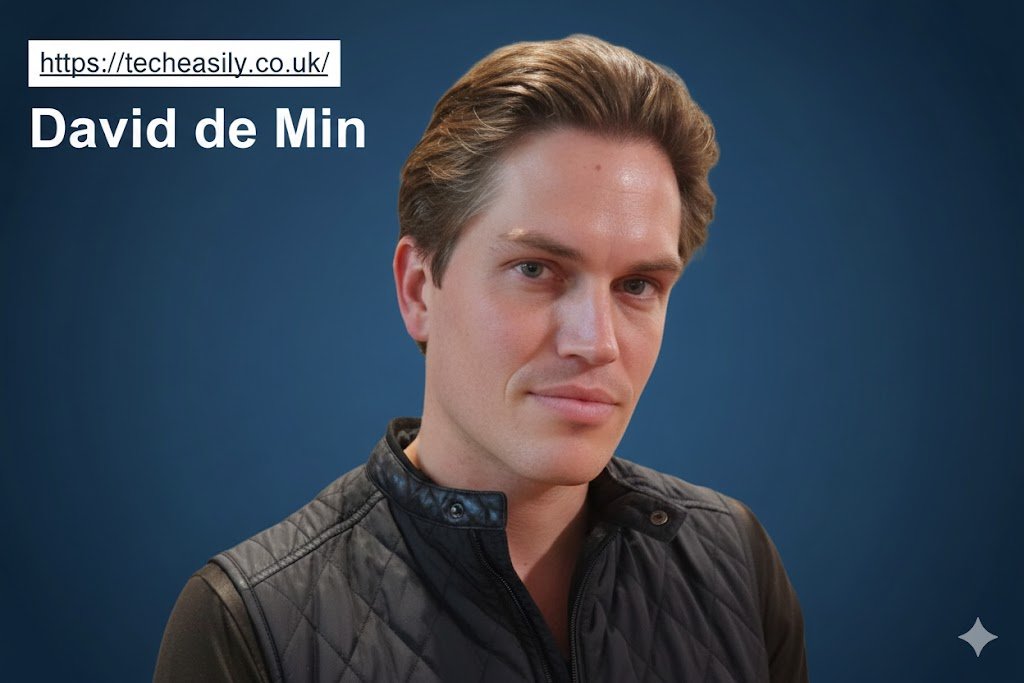
David de Min is a forward-thinking entrepreneur and innovator, best known for his bold approach to combining heritage preservation with modern technology and sustainability. Through his visionary projects, de Min has demonstrated a unique ability to transform historical spaces into vibrant ecosystems of innovation and entrepreneurship.
As the founder and CEO of The Citadel, a groundbreaking project aimed at rejuvenating the iconic Napoleonic fortress in Dover, England, David de Min has positioned himself at the intersection of real estate development, sustainability, and tech entrepreneurship. His work is focused not only on preserving the past but also on forging a future where technology, creativity, and eco-consciousness coalesce.
Early Life and Background
David de Min was born in October 1990, into a family where entrepreneurship and innovation were highly valued. Growing up in an environment that encouraged forward-thinking solutions, de Min’s early exposure to the worlds of business and technology played a pivotal role in shaping his career. While details about his parents and family background are largely private, it is clear that his upbringing cultivated a passion for sustainable development and technology-driven innovation.
De Min’s journey toward becoming an entrepreneur was not linear, but it was driven by a desire to make an impact on the world. After completing his schooling, he pursued various early-stage ventures, quickly building a reputation for his creativity and commitment to creating sustainable, community-oriented spaces.
David de Min Business Ventures
The Citadel: Merging History with Innovation
One of David de Min’s most ambitious and high-profile projects is The Citadel, a massive redevelopment of a historic Napoleonic fortress in Dover, England. The project aims to merge the legacy of this iconic structure with a new vision for the future — creating a hub of innovation, sustainability, and collaboration.
The Citadel will house tech startups, creative industries, and green innovation labs, with a strong focus on sustainable building practices and community-oriented workspaces. This development exemplifies de Min’s belief in heritage conservation as an avenue for technological growth and entrepreneurial opportunity. His vision for The Citadel reflects his commitment to transforming traditional structures into modern environments that inspire creativity, collaboration, and environmental responsibility.
By converting a military site into a forward-thinking innovation campus, David de Min is not just revitalizing a historic landmark but also creating an ecosystem that can support the future of technology and entrepreneurship. This project has garnered significant attention from industry professionals, government agencies, and tech leaders, who recognize the potential for such spaces to nurture new startups and emerging industries.
TechFort Group and Other Ventures
In addition to The Citadel, David de Min is also the founder of TechFort Group, a company that focuses on creating networks for tech startups and entrepreneurial growth. TechFort serves as an incubator for companies that are focused on innovative technologies and sustainable practices. By fostering collaboration between innovators, investors, and tech enthusiasts, de Min is helping to build a dynamic ecosystem that accelerates technological progress.
Another significant venture in David de Min’s portfolio is Smarter Materials Group, which is dedicated to advancing green technologies and smart materials for the construction industry. Through this initiative, de Min continues to explore ways to integrate sustainability into urban development, promoting the use of materials and technologies that reduce environmental impact and improve energy efficiency.
These ventures are a testament to de Min’s drive to transform industries by integrating technology and sustainability into every aspect of his business endeavors.
David de Min Vision for the Future
David de Min’s entrepreneurial journey is guided by a forward-thinking vision — one where technology, innovation, and sustainability go hand in hand. He believes that the future of business lies in collaborative, adaptive spaces that empower entrepreneurs and foster creative solutions for global challenges.
Through projects like The Citadel, he aims to create a lasting legacy that blends the past and the future, preserving historical landmarks while infusing them with cutting-edge technologies that will drive economic growth and environmental consciousness. His work reflects his commitment to building a sustainable future, one project at a time.
In the coming years, de Min plans to expand The Citadel project, making it a global center of innovation, attracting entrepreneurs from all over the world. He envisions The Citadel becoming a model for sustainable development, showing that it is possible to combine modern business practices with historical preservation in a way that benefits both people and the planet.
Personal Life and Family
Though David de Min’s personal life is not often in the spotlight, it is clear that his family plays a crucial role in supporting his ambitious goals. His wife and children are often mentioned in passing in interviews, though their exact details remain private. This preference for keeping his family life out of the public eye suggests that de Min values privacy, focusing public attention on his work and the broader impact of his projects.
Given his success and growing influence, de Min’s family and their support system have likely been key factors in allowing him to pursue his ventures with such determination and focus. His family’s values of entrepreneurship, responsibility, and sustainability appear to align closely with his own business philosophy.
David de Min Net Worth and Financial Success
While the exact net worth of David de Min is not widely available in the public domain, it is clear that his business ventures — particularly The Citadel and TechFort Group — have placed him in a strong financial position. These projects require significant investments, and given their scope and ambition, de Min’s net worth is likely in the multi-million-dollar range.
Much of his wealth comes from his role in leading high-profile projects and startups, along with his continued efforts in securing investment and partnerships for future ventures. As The Citadel grows and more initiatives take shape, it is expected that de Min’s financial standing will continue to improve, solidifying his place as a key figure in the world of tech entrepreneurship and sustainability.
Impact on the Entrepreneurial Landscape
David de Min’s impact on the entrepreneurial landscape extends far beyond his own ventures. By prioritizing sustainability and community engagement in all his projects, he is helping to redefine what it means to be an entrepreneur in the 21st century. His focus on combining technology with environmental consciousness is setting a new standard for future business leaders, encouraging them to think not just about profit but also about the planet and the people they serve.
Conclusion
David de Min is a visionary entrepreneur whose work is redefining the way we think about heritage, innovation, and sustainability. Through projects like The Citadel, he is creating a model for future-forward business, where historical preservation and technological development go hand in hand.
His entrepreneurial journey reflects a deep commitment to building a better future — one that blends the best of the past with the possibilities of tomorrow. As he continues to lead groundbreaking projects and inspire the next generation of entrepreneurs, David de Min is undoubtedly on his way to leaving a lasting legacy that will benefit both the business world and the global community.