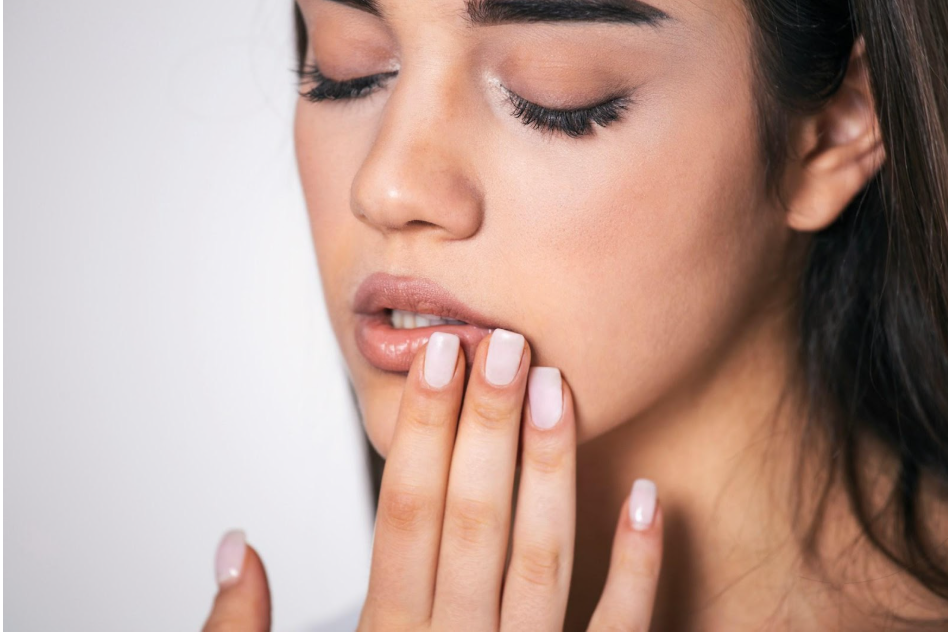
Nail art has entered an era where execution matters more than excess. While bold colours and elaborate embellishments once dominated, today’s most admired designs are often defined by clean lines, controlled spacing, and deliberate restraint. Precision has become the visual language of professionalism. This shift is evident not only in what clients request, but also in how technicians prepare their tools and workflows; many now order nail liner online as part of a focused approach to achieving consistent, fine-detail work that holds up under close inspection.
This evolution reflects a broader change in how nail art is valued. Rather than chasing novelty, clients and artists alike are prioritising quality, balance, and longevity, outcomes that depend heavily on technical accuracy.
From Expression to Execution
Creativity remains central to nail art, but the way it is expressed has changed. Modern designs often rely on negative space, minimalist graphics, and subtle contrasts that leave little room for error. A single uneven stroke or misaligned line can undermine the entire look.
As a result, the craft has shifted from layering multiple elements to mastering fewer ones with greater control. Precision is no longer a complementary skill; it is the foundation upon which contemporary nail aesthetics are built.
Clean Lines as a Marker of Professionalism
In high-end nail services, clean lines communicate confidence. Straight edges, smooth curves, and consistent thickness signal that a technician understands their tools and materials. Clients may not consciously analyse these details, but they instinctively associate them with quality.
This perception matters. In an industry where word of mouth and visual proof drive bookings, precision becomes part of a technician’s professional identity. It differentiates experienced artists from hobbyists and sets expectations for service standards.
Tool Selection and Control
Precision work begins with the right tools. Nail liners designed for fine detailing allow artists to maintain control over line width, pressure, and flow. When tools are predictable, technique can be refined; when they are inconsistent, even skilled hands struggle.
Professionals increasingly standardise their kits to reduce variability. By using familiar products and replacing worn tools proactively, they minimise the risk of inconsistencies that can disrupt detailed work. This approach supports repeatable results across different clients and designs.
Technique Over Decoration
One of the defining characteristics of modern nail art is its reliance on technique rather than ornamentation. Geometric patterns, micro-French tips, and linear accents all demand steady hands and an understanding of spacing and proportion.
These designs leave no room to hide mistakes behind glitter or layers. Precision becomes visible proof of skill. As a result, many artists are investing more time in practising line work, brush control, and product behaviour rather than expanding their decorative inventory.
Client Expectations Are Sharpening
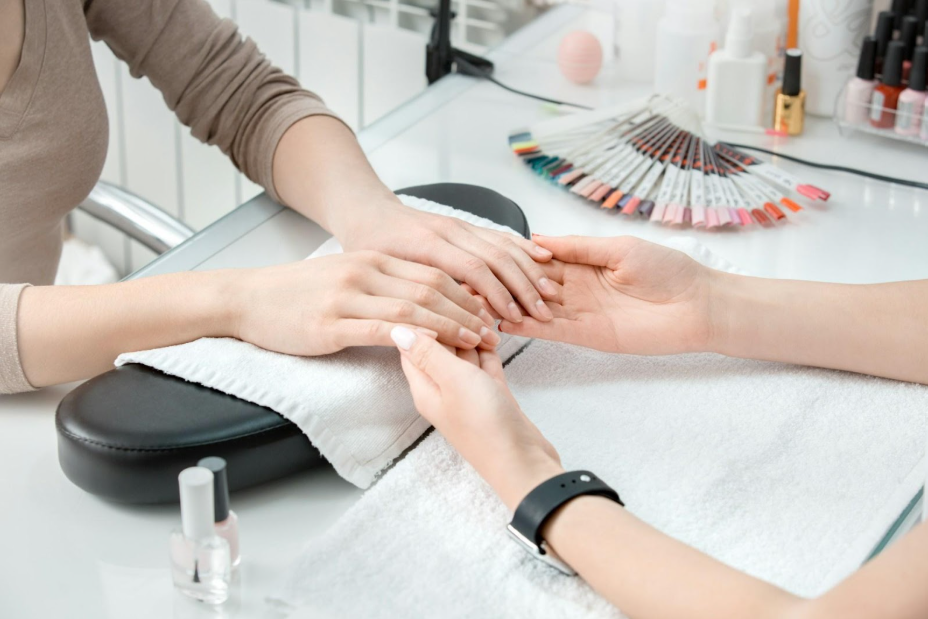
Clients today are more visually literate. Social platforms expose them to high-resolution images where imperfections are easily spotted. This has raised expectations for clean execution and durability.
Precision also affects wearability. Lines that are applied evenly are less likely to chip or lift prematurely. When details remain intact over time, clients perceive greater value and are more likely to return. In this way, precision directly influences retention and reputation.
Education Is Catching Up
Training programs and professional development courses are adapting to this shift. Instead of focusing solely on design trends, many now emphasise fundamentals such as hand stability, pressure control, and surface preparation.
This educational focus reflects a growing understanding that precision is not innate, it is developed through repetition, feedback, and proper technique. Artists who invest in refining these skills gain flexibility, enabling them to execute both minimalist and complex designs with confidence.
Health and Safety Considerations
Precision also plays a role in nail health. Controlled application reduces unnecessary product buildup, uneven curing, and stress on the natural nail. This is particularly important as clients become more aware of long-term nail care.
The American Academy of Dermatology highlights that careful application and avoidance of excessive product weight can help protect nail integrity over time. While nail art is primarily aesthetic, its execution has implications for nail health, reinforcing the importance of controlled techniques.
Precision as a Business Advantage
From a business perspective, precision supports scalability. Technicians who rely on structured techniques and consistent tools can deliver predictable results, even as their client base grows. This reliability simplifies training, scheduling, and quality control.
Moreover, precision-focused services tend to age better. Designs that emphasise clean execution over trend-driven excess remain relevant longer, reducing pressure to constantly reinvent offerings. This stability benefits both artists and clients.
The Future of Nail Art Is Intentional
As nail art continues to evolve, precision is likely to remain central. Trends may shift, but the demand for clean, well-executed designs is unlikely to fade. Clients want nails that feel thoughtful, durable, and appropriate for their lifestyles.
For professionals, embracing precision means investing in skill development, thoughtful tool selection, and disciplined workflows. It is less about doing more and more about doing better.
In a landscape increasingly defined by subtlety and scrutiny, precision has become the defining skill not because it limits creativity, but because it elevates it.