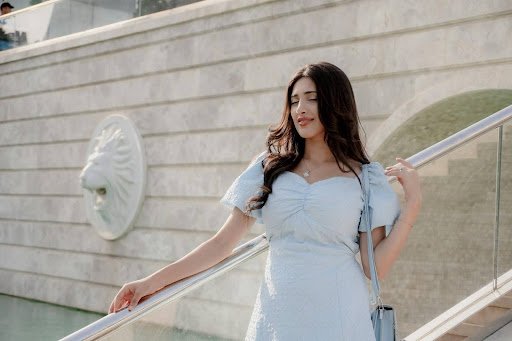
For decades, holiday style existed in a separate category from everyday clothing. Resort wear was packed for trips, worn briefly, then stored away until the next escape. That boundary has steadily dissolved. The ease, comfort, and adaptability associated with beach living now influence how people dress year-round. Brands that embody relaxed coastal aesthetics, such as Simply Beach, reflect a wider shift in how wardrobes are built: less around occasions, more around how clothes function across real days.
What began as a vacation mindset has become a daily one. Beach culture, with its emphasis on movement, airflow, and simplicity, has quietly reshaped modern wardrobes far beyond the shoreline.
Comfort-Led Dressing Moves From the Beach Into the Home
Beachwear was always designed with comfort in mind. Loose silhouettes, breathable fabrics, and minimal structure made sense in hot, outdoor environments. As lifestyles became more fluid and less formal, those same qualities started to feel equally relevant away from the coast.
This transition coincided with broader changes in work patterns and daily routines. When people move between tasks, environments, and roles throughout the day, clothing needs to support that flexibility. The relaxed fit once reserved for holidays now feels appropriate for errands, socialising, and even work in many settings.
How Making Your Own Clothes Reinforces This Shift
As comfort became central, interest grew in clothing that could be tailored to individual needs rather than standard sizing. For many, this led toward sewing and customisation. Working from a pants sewing pattern, for example, allows people to prioritise ease of movement, fabric choice, and fit in a way mass-produced garments often cannot. This approach mirrors beach culture’s emphasis on wearability over formality and helps translate holiday comfort into everyday clothing.
The Decline of “Special Occasion” Clothing
Traditional wardrobes often included items designed for narrow use cases. A dress for a single event or trousers that worked only in specific settings were once common. Beach culture challenges that logic. On holiday, outfits are expected to work from morning to evening with minimal changes.
This expectation has carried over into everyday wardrobes. Clothes that require constant adjustment or careful styling feel increasingly impractical. In their place, people choose garments that adapt naturally across different moments of the day.
Travel as a Catalyst for Change
Travel played a significant role in accelerating this shift. Packing constraints encourage versatility. A limited suitcase rewards items that layer well, serve multiple purposes, and feel comfortable over long periods.
Once people experience the ease of a streamlined travel wardrobe, it often influences how they dress at home. The question changes from “Is this fashionable?” to “Will I actually wear this often?” Beach-inspired dressing answers that question with simplicity and function.
Why Fit Became More Personal
Beachwear has long been forgiving when it comes to fit. Elastic waists, adjustable ties, and flowing cuts accommodate different bodies and activities. This inclusivity influenced expectations across fashion more broadly.
As a result, rigid sizing and restrictive tailoring have lost appeal. People increasingly value garments that move with them, which explains the renewed interest in creating or altering clothes at home. Custom fit is no longer seen as a luxury; it’s a practical response to diverse bodies and lifestyles.
The Influence of Climate on Everyday Fashion

Rising temperatures and longer warm seasons have also reinforced beach-inspired dressing. Heat exposes the shortcomings of heavy fabrics and restrictive designs quickly. Clothes that breathe, dry fast, and allow airflow become essential, not optional.
Beach culture has decades of experience designing for these conditions. Its influence on everyday fashion is a logical response to changing environments rather than a passing trend.
Minimalism Through Repetition
Another hallmark of beach wardrobes is repetition. The same items are worn repeatedly, styled slightly differently each time. This approach builds familiarity and confidence while reducing decision fatigue.
Modern wardrobes increasingly mirror this pattern. Rather than constant rotation, people rely on a smaller set of dependable pieces. This shift encourages thoughtful selection and discourages impulse buying.
Sustainability as a Natural Outcome
While sustainability is not always the primary motivation, it benefits from this evolution. Versatile clothing worn frequently has a lower environmental impact than trend-driven items worn briefly.
Research discussed by the Ellen MacArthur Foundation highlights that extending the active life of clothing significantly reduces its overall footprint. Beach-inspired wardrobes, built around repetition and adaptability, align naturally with these findings.
Creativity Over Consumption
As wardrobes simplify, creativity often increases. Instead of buying new outfits for variety, people experiment with styling, layering, and accessories. Making or modifying garments becomes a way to refresh a look without starting from scratch.
This creative engagement deepens the relationship people have with their clothes. Items feel less disposable and more personal, reinforcing long-term use.
Letting Go of Fashion Rules
Beach culture has always been relaxed about rules. Mixing casual and polished elements, rewearing favourites, and prioritising comfort over convention are all accepted norms in coastal environments.
As these values migrate inland, fashion becomes less prescriptive. People feel freer to dress for themselves rather than external expectations. This autonomy is one of the most enduring influences of holiday style on daily wear.
From Escape to Everyday Reality
What makes beach culture so influential is that it reflects how people want to live: unencumbered, adaptable, and comfortable. When that way of dressing proves functional on holiday, it naturally finds a place in everyday life.
The result is a wardrobe shaped less by trends and more by lived experience. From holiday style to daily wear, beach culture has reframed fashion as something that supports life rather than interrupts it.