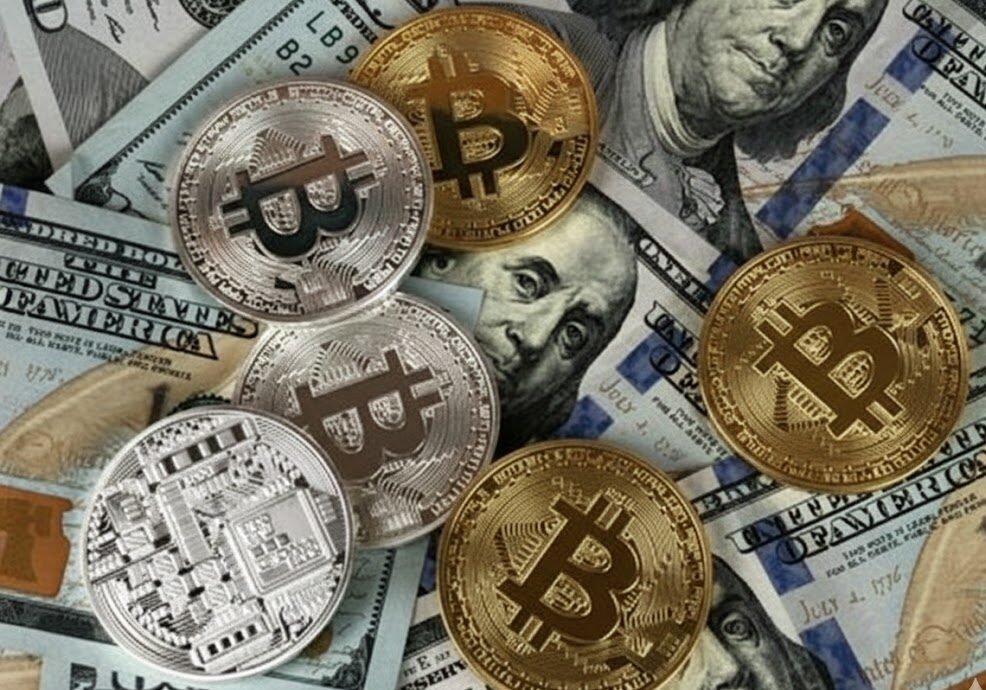
Most people have converted money at some point in their lives. It might have been during a family holiday, calculating the cost of lunch in another currency, or while booking accommodation online and watching the final bill shift during checkout. That everyday experience has moved into digital spaces. Instead of only comparing dollars to euros or pounds to yen, people now compare traditional currency to digital currency. The conversion from usd to btc has become one of the ways individuals read value across borders, especially in remote work, online collaboration and cross-border payments.
Currency conversion did not always work this way. For decades, it relied on bank counters, paperwork and fees that were not always visible. Rates were posted on boards and conversion was handled on behalf of the customer. Over the past decade, digital wallets, payment apps, blockchain ledgers and analytics dashboards have made conversion more transparent. People now follow exchange rates in real time and discuss value in global rather than local terms. Value feels less fixed and more dynamic because money moves across networks at the same pace as messages, images and data.
From Counters to Screens
The first major shift came from access to information. When currency quotes moved from financial terminals to consumer-facing websites, individuals began to understand how exchange rates actually worked. With smartphones, conversions became part of everyday browsing. When digital assets emerged, the same behaviour followed. People checked conversions between fiat currencies and bitcoin the same way they checked conversions between dollars and euros. Screens replaced counters and mobile applications replaced clerks.
Alongside these technological changes, the macroeconomic context shaped how people interpreted digital value. Data from the Bank for International Settlements shows that daily foreign exchange turnover surpassed seven trillion dollars in 2022, illustrating how currency markets operate at high speed and high volume. Digital assets entered this environment rather than replacing it. When global liquidity tightened during major central bank policy meetings late in 2024, both risk assets and digital assets experienced volatility. For most retail participants watching from their phones, this acted as a reminder that digital value sits inside the same global environment that influences equities, bonds and traditional currency pairs.
The Social Layer of Value
Currency conversion has also taken on a social dimension. Communities of freelancers, travellers, creators and on-chain participants talk about value in ways that blend personal context with global networks. A content creator posting a tutorial might include software costs in different currencies. A remote worker might share how exchange rates affect monthly expenses. Over time, these conversations have become more public and more technical.
Digital currency circles behave in similar ways. People discuss validator performance, gas fees, stablecoin dominance and market depth. When someone posts a chart showing a move in bitcoin, others might reply with comments about liquidity or macro conditions. Conversion is mostly a way to compare prices and understand what things cost in different places. People swap screenshots, ask simple questions and point to headlines that explain a sudden price move. It feels practical rather than technical and it plays out in everyday spaces like group chats, Reddit threads and Discord channels instead of trading floors.
Policy, Liquidity and Institutional Signals
Central bank decisions affect how people look at digital value because they change how much money is moving through the system. When the Federal Reserve slows the tightening or increases bill purchases, major currencies react and investors adjust their positions. Binance research pointed out that the Fed was set to end quantitative tightening on 1 December and was expected to expand its balance sheet in early 2025 by buying around twenty to twenty-five billion dollars in Treasury bills each month. For people who follow digital assets through charts and headlines rather than finance textbooks, this kind of policy update becomes part of how they read the market.
Institutional flows added another perspective. Several desks observed rotation across digital asset products as investors rebalanced portfolios at year-end. Binance highlighted that BTC and ETH ETFs recorded outflows, while SOL and XRP spot ETFs saw inflows during the same period. In online communities, this detail mattered because it suggested adjustment rather than withdrawal. It helped reinforce that digital assets exist alongside equities, credit, commodities and FX pairs in a broader system that functions through pricing, hedging and allocation.
Market tone also diverged from policy language at times. Analysts described risk-off corrections during periods of thinner year-end liquidity despite softer communication from major central banks. In community spaces, people shared charts of gas fees, bitcoin dominance, treasury yields and macro headlines to make sense of the move. These exchanges blurred the line between financial analysis and collaborative interpretation.
Real People and Real Use Cases
Behind the data are people trying to make sense of a connected economy. A freelance editor might convert client payments across multiple currencies to manage her monthly budget. A software engineer might compare Bitcoin to local currency because part of his compensation is paid digitally. A traveller might check conversion rates before booking accommodation in another country. None of these situations involves speculation or advice. They are examples of how digital tools let individuals understand value across borders.
Conversion tools have created a bridge between traditional finance and digital finance. They let individuals view money in different units, whether that is dollars, pesos, euros or bitcoin. For some, conversion is about the cost of living. For others, it is about remote collaboration. For a growing number of creators and developers, it is simply part of how they navigate work in a digital environment.
Currency conversion will continue to evolve as technology expands. The world is not moving toward a single form of money but toward an environment where value exists in multiple systems at once. Digital platforms help people understand that complexity by placing conversion alongside stories, data and lived experience. In that context, converting usd to btc is one of many ways people interpret value in a global digital financial world.