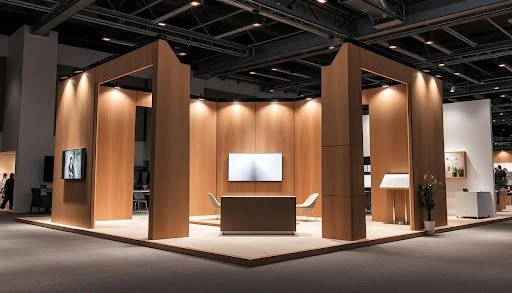
Exhibit bring together professionals, buyers, and decision-makers seeking products and partnerships. The environment is competitive, and every detail matters. A well-designed booth can attract attention, communicate value, and spark meaningful conversations that lead to sales.
The Power of First Impressions
Visitors often decide within seconds whether to engage with a booth. Layout, lighting, and visual design influence these quick judgments. A thoughtful design communicates professionalism and helps attendees feel confident about approaching the space.
Partnering with a skilled trade show exhibit company ensures that visual appeal aligns with brand identity. Effective use of color, structure, and signage can make an exhibit stand out even in crowded venues.
Design Elements That Guide Behavior
A custom trade show exhibit provides flexibility to shape the visitor experience. Exhibitors can design pathways that encourage exploration and highlight products strategically. This sense of flow supports natural conversation and deeper engagement.
- Clear entry points invite visitors into the booth.
- Interactive stations encourage hands-on learning.
- Strategic lighting draws attention to key products.
- Comfortable open spaces allow for relaxed dialogue.
Emotional Connection and Brand Storytelling
Beyond visual impact, emotional connection drives buying decisions. Exhibits that tell a story help visitors understand how products fit into their goals. Graphics, messaging, and demonstrations should align to create a cohesive narrative that resonates with the audience.
When attendees feel understood, they are more likely to trust the brand and consider purchasing. A consistent story across visuals, staff interactions, and printed materials reinforces credibility.
Integrating Technology for Engagement
Digital displays, touchscreens, and augmented reality can enhance the exhibit experience when used thoughtfully. Technology should serve the message, not distract from it. Demonstrations or virtual tours allow visitors to explore complex products in a memorable way.
Data collection tools such as lead scanners or interactive surveys can provide insights into buyer interests. These tools help refine future strategies and strengthen post-event follow-up efforts.
Human Interaction Remains Central
Even the most visually stunning exhibit relies on human connection. Knowledgeable staff who listen, answer questions, and guide discussions create lasting impressions. Training team members to read body language and engage naturally contributes to stronger buyer relationships.
Visitors appreciate authenticity and expertise. When staff can translate product features into customer benefits, they bridge the gap between curiosity and commitment.
Long-Term Impact on Brand Perception
Custom-built exhibits influence more than immediate sales. They shape how attendees remember a brand long after the event. A positive experience can lead to repeat business, referrals, and stronger market positioning.
Investing in a well-planned exhibit demonstrates professionalism and attention to detail. Over time, this approach builds recognition and trust, helping organizations stand out in a competitive marketplace.