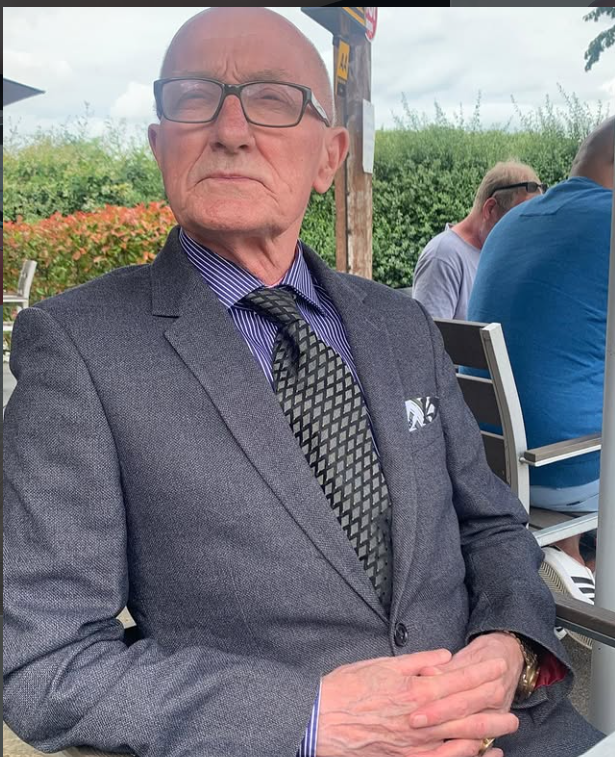
Bobby Cummines is a name that resonates in the realm of criminal justice reform and personal transformation. Once known as a notorious armed robber and one of the UK’s youngest criminals to rise in the underworld, Bobby’s journey from crime to redemption is nothing short of remarkable. His life serves as an example of the power of education, self-reflection, and the will to change.
Early Life and Path into Crime
Born in Islington, London, in 1951, Bobby Cummines was the youngest of eight children in a working-class family. Growing up in a tough neighbourhood, Bobby was exposed to street life and crime from an early age. His youth was marked by run-ins with the law, and by the age of 16, he was already facing serious criminal charges. It was at this age that he became involved in his first armed robbery — an event that would set the stage for his future life in the criminal world.
As a young man, Bobby was drawn into the dangerous and lucrative world of organised crime. His involvement in armed robberies and violent acts quickly earned him a reputation in the underworld. He was soon labelled as one of the youngest armed robbers in the UK. This dangerous lifestyle was accompanied by numerous run-ins with the law, and Bobby soon found himself facing long prison sentences. The criminal network he was a part of was notorious for its violent tactics and its connection to figures such as the Kray twins, who were infamous for their own criminal empire in London.
Bobby Cummines The Criminal Underworld and Time in Prison

Bobby Cummines was no stranger to the grim reality of life behind bars. He spent years incarcerated in some of the UK’s toughest prisons, including high-security facilities. During his time in jail, Bobby’s reputation as a gangster grew. He was known for his ruthlessness and survival instincts within the prison system, often involved in violent altercations and hostile takeovers within the prison hierarchy.
Despite the violent and oppressive environment, it was in prison that Bobby began to reflect on his life and the choices he had made. He started to realise that the life he had chosen for himself was not sustainable, and that his actions would only lead to further pain and isolation. This realisation would become the first step in his eventual transformation. It was also in prison that Bobby was introduced to education — a move that would completely change the trajectory of his life.
The Turning Point: Education and Redemption
Bobby Cummines credits education as the key factor in his transformation. While incarcerated, he began to take his studies seriously. He enrolled in courses offered by the Open University and started studying subjects that allowed him to explore the deeper psychological aspects of his life choices. It was during this period that Bobby began to understand the root causes of his criminal behaviour and started working towards a more constructive future.
The turning point came when Bobby met Charlie Richardson, a well-known figure in the London criminal world. Richardson’s words were simple but profound: he encouraged Bobby to pursue education as a means of redemption and a way out of the cycle of crime. It was this advice that pushed Bobby to fully embrace his studies and consider a future outside the criminal world. Bobby began to understand that there was a way to break free from his past — and that education was the key.
Bobby Cummines Life After Prison: A New Mission
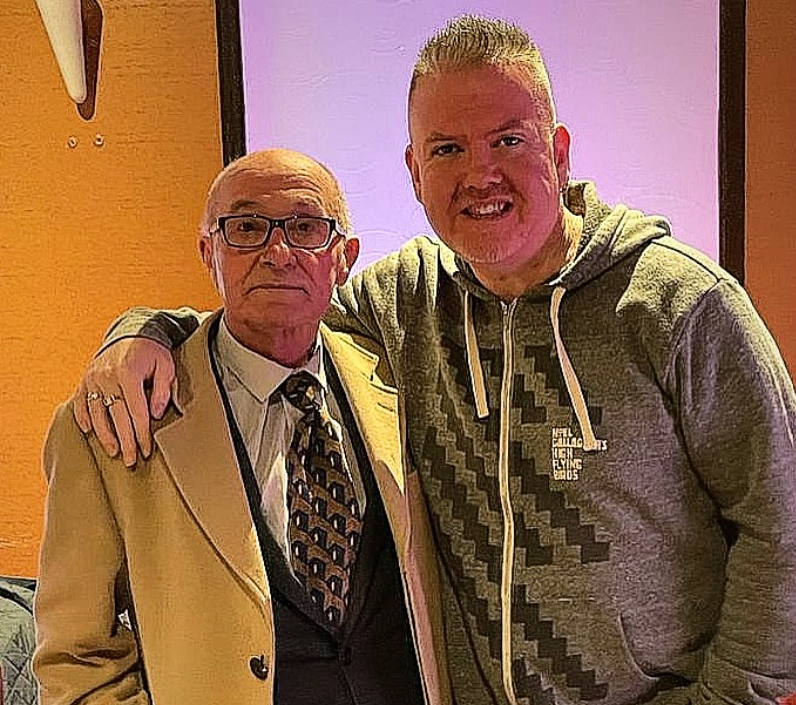
Upon his release from prison, Bobby Cummines faced the daunting task of rebuilding his life. With his criminal record, finding legitimate work was not easy, but Bobby was determined to turn his life around. He chose to focus on the work of helping others who were in similar situations, and he became a strong advocate for prison reform.
In 1999, Bobby became the chief executive of Unlock, a national charity dedicated to supporting people with criminal convictions in overcoming the barriers they face in society. Under his leadership, Unlock grew into a powerful force for reform, advocating for reduced re-offending, job opportunities for ex-offenders, and fair treatment of individuals with criminal records.
Bobby’s work at Unlock was instrumental in changing the narrative surrounding former criminals. He used his own story to show that rehabilitation is possible, and that people can transform their lives if given the right support. His work has helped thousands of former prisoners reintegrate into society, find stable employment, and build positive futures.
Bobby Cummines Recognition: OBE and Legacy
Bobby Cummines’ work in prison reform and his efforts to help reformed offenders were formally recognised when he was appointed an Officer of the Order of the British Empire (OBE) in 2011. This prestigious award was given to Bobby for his services to those with criminal convictions, acknowledging his tireless dedication to improving the lives of others.
His autobiography, I Am Not a Gangster, published in 2014, recounts his incredible life story. The book provides a raw and honest account of his journey from a life of crime to one of social change. It is a testament to his personal transformation and has inspired many to reconsider the possibilities of redemption and change. Through his book, Bobby shares his experiences and the lessons he learned along the way, encouraging others to pursue rehabilitation and avoid the path of crime.
Bobby’s story has also been featured in several documentaries and interviews, where he has spoken about his past, his time in prison, and his current work in criminal justice reform. These appearances have solidified his position as a leading voice in the movement for prison reform and have brought attention to the importance of education in transforming the lives of former offenders.
Personal Life and Family
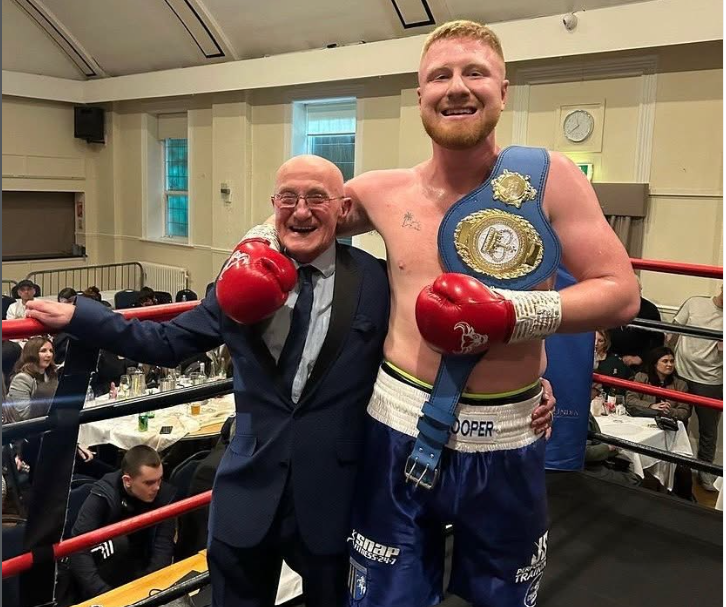
Although Bobby has made his mark in the public eye, he remains relatively private about his personal life. He has openly discussed his family and children, noting that his role as a father has been a driving force in his desire to change. His transformation from a violent gangster to a reformed mentor has had a profound impact on his own family and serves as a testament to the power of change.
Bobby’s daughter tragically passed away in 2019, and this loss deeply affected him. It was a reminder of the fragility of life and the importance of making the most of the time we have. Despite the heartache, Bobby remains committed to his mission of helping others find redemption and build better futures.
Conclusion
Bobby Cummines’ journey is a powerful reminder that people can change. From his days as a feared gangster in 1970s London to his current role as a mentor, author, and prison reform advocate, Bobby has shown that the path to redemption is possible for anyone willing to make the effort. His story of transformation serves as an inspiration to ex‑offenders and individuals in difficult circumstances, proving that change is not only possible but achievable.
His work with Unlock and his charitable contributions have had a lasting impact on the lives of countless people. Today, Bobby is not just remembered for his past as a gangster, but for his incredible efforts to break the cycle of crime and help others rebuild their lives. He has proven that no matter how dark the past, the future can always be brighter.