Introduction
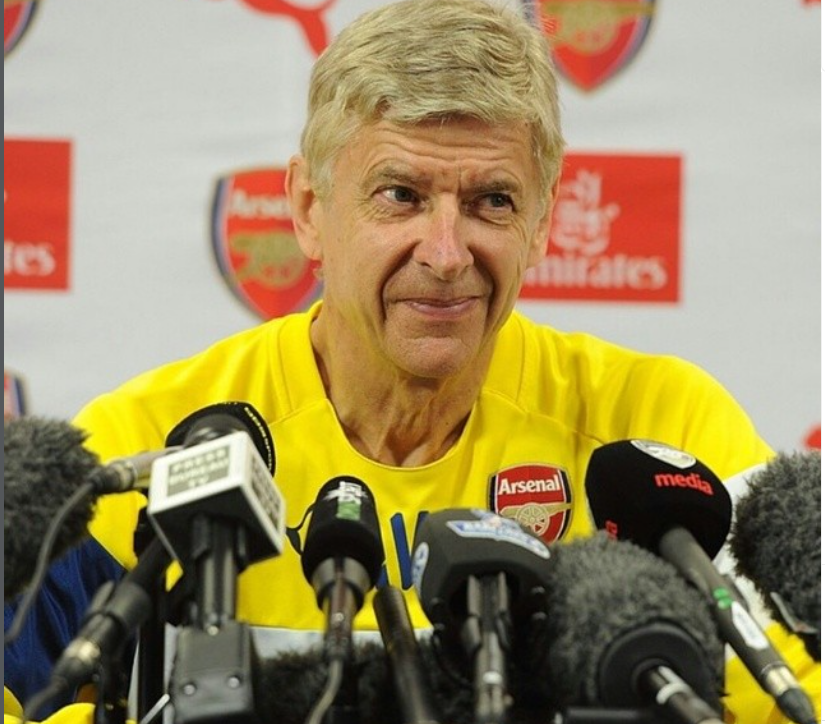
Arsène Wenger is a name synonymous with football innovation, especially in English football. As the longest‑serving manager in the history of Arsenal Football Club, Wenger’s legacy extends far beyond his trophies and successes; he is known for revolutionizing the game with his approach to nutrition, sports science, and youth development. From his groundbreaking “Invincibles” season to his commitment to attractive football, Wenger’s influence on football cannot be overstated.
Early Life and Career
Born on October 22, 1949, in Strasbourg, France, Arsène Wenger had a passion for football from a young age. His footballing career started as a midfielder for small clubs in France, including RC Strasbourg, where he spent the early years of his playing career. While not a notable figure on the field in terms of trophies, Wenger’s playing career gave him a foundational understanding of the game, which would later shape his managerial career.
Transition to Management
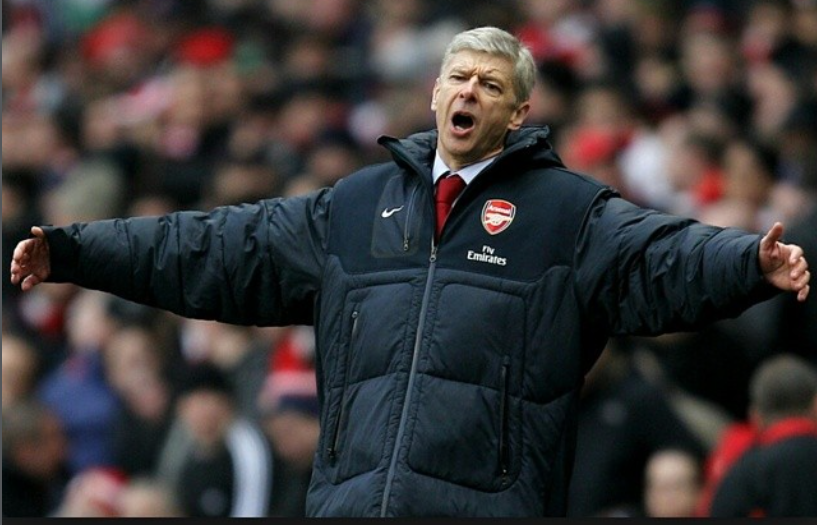
Wenger’s transition from player to manager was swift, starting with AS Nancy in 1984. His time at AS Monaco, however, would be where he first began to demonstrate his managerial prowess, winning the Ligue 1 title in 1988. Wenger’s innovative ideas about football, including his belief in nurturing young talent and focusing on tactical play and nutrition, caught the attention of the football world.
It was in 1996 that Wenger’s name would become synonymous with success in England. He joined Arsenal FC, initially facing skepticism as he was the first foreign manager in the club’s history. However, it was here that Wenger would revolutionize English football forever.
Arsène Wenger at Arsenal
Wenger’s time at Arsenal was defined by his visionary football philosophy. He made Arsenal one of the top clubs in the Premier League, achieving domestic success and competing in European competitions. His style of play — emphasizing attacking football, fluid passing, and technical skill — redefined what it meant to play football in England.
One of his most notable achievements was the 2003-2004 season, where his Arsenal team went unbeaten in the Premier League — a feat that has not been matched since. This Invincibles season became part of Arsenal’s proud history, showcasing Wenger’s ability to assemble a team that combined physicality, flair, and intelligence.
Trophies Under Wenger
- 3 Premier League titles
- 7 FA Cups
- Multiple Community Shields
Wenger’s focus on developing young talent was also crucial to his managerial legacy. He gave players like Cesc Fàbregas, Thierry Henry, and Robin van Persie the platform to become some of the best in the world. His forward‑thinking approach and embrace of modern science in training helped Arsenal compete at the highest levels during his tenure.
The Wenger Way: Philosophy and Innovation
Wenger was not just a manager in the traditional sense — he was a philosopher of football. His emphasis on technical ability, discipline, and team chemistry made him stand out from his contemporaries. He pushed for high‑level fitness and scientific approaches to nutrition, preparing his players not just mentally, but physically, for the challenges ahead.
Wenger’s influence extended beyond the pitch. He also oversaw the construction of the Emirates Stadium, Arsenal’s new home, in 2006. This was a key part of his strategy to secure the club’s financial future while also maintaining competitive success.
Arsène Wenger Influence on Football
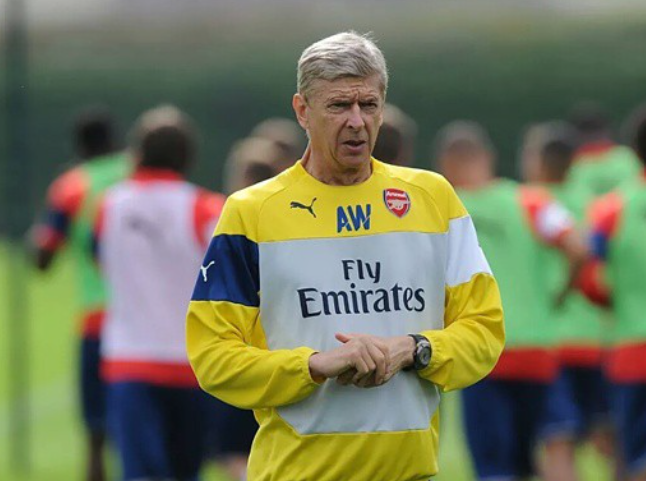
Wenger’s influence on football extends far beyond his time at Arsenal. He is often credited with being one of the first managers to embrace modern sports science, influencing player nutrition, training techniques, and injury prevention. Many of his methods are now standard practices in football, from sports psychology to data analysis.
He also played a pivotal role in expanding the internationalization of English football, bringing players from across the globe, particularly from France and Africa, who were initially undervalued in the UK. This helped change the face of English football and introduced a more cosmopolitan approach to team building.
Personal Life and Legacy
Arsène Wenger’s life outside football is as disciplined and focused as his time on the pitch. Known for his private nature, Wenger is a man who values intellectual curiosity. He is fluent in several languages, having played and managed in France, Germany, and England. Wenger is also known for his interest in philosophy, which influences his tactical thinking and approach to leadership.
Wenger’s autobiography, “My Life in Red and White”, gives a personal account of his career, philosophy, and thoughts on the modern game. His legacy continues to be discussed in football circles, as he remains an influential figure even after his departure from Arsenal in 2018.
Arsène Wenger: Beyond Arsenal
After leaving Arsenal, Wenger has remained an active figure in the footballing world. He became FIFA’s Chief of Global Football Development, where he works to improve the game worldwide through coaching education, football governance, and rule changes. Wenger has also commentated on various football events and continued to contribute his vast knowledge to the global football community.
His legacy is not only that of an Arsenal legend but also as a football visionary whose impact continues to reverberate through the sport globally.
Arsène Wenger Personal Life

Despite his long‑public life in football, Wenger is known for being private. His marriage to Annie Brosterhous, a former basketball player, ended after several years, and the couple has one daughter, Léa, born in 1997. Wenger has largely kept his personal life away from the media, preferring to focus on football rather than fame.
He enjoys reading and often shares his thoughts on topics beyond football, including philosophy and human development. His leadership in football continues to influence how modern coaches think and manage their teams.
Conclusion
Arsène Wenger’s journey through football management has been nothing short of revolutionary. His innovative approaches to fitness, nutrition, tactics, and youth development have left a lasting imprint on the world of football. His ability to build teams with both technical skill and strong chemistry reshaped English football and helped elevate the Premier League’s global reputation.
Even after his time at Arsenal, Wenger’s influence continues to shape global football development, and his legacy as one of the greatest managers in history is firmly secured.