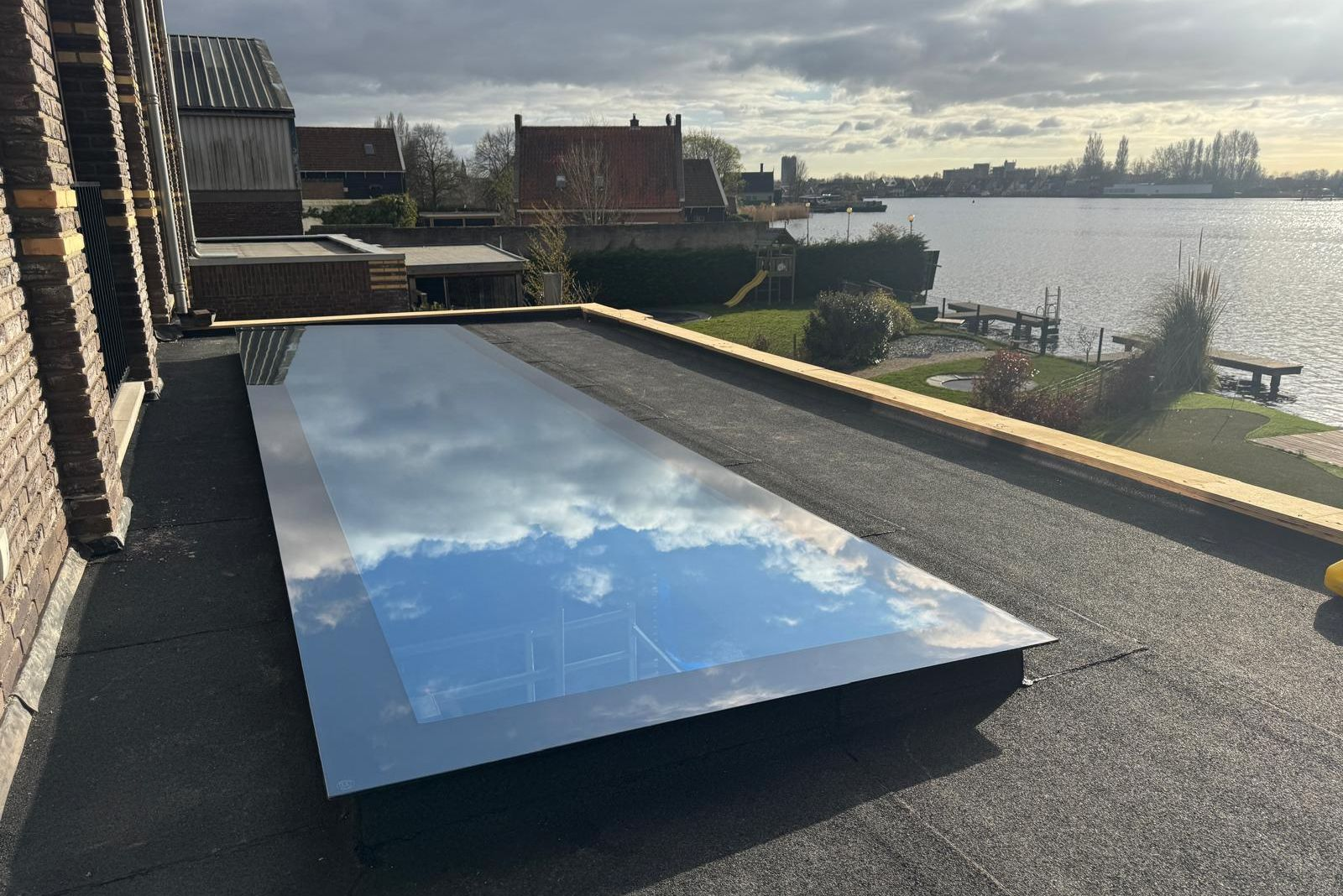
Stale air collects in homes even with windows open. Certain rooms stay uncomfortable because air gets stuck in specific areas with no escape route.
Rooflights solve this by releasing hot air from the ceiling while pulling fresh air in from below. This circulation happens on its own without electrical systems running.
How Rooflights Improve Airflow
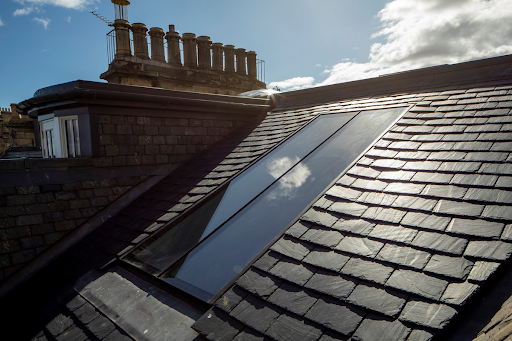
Heat climbs to your ceiling and stays there. Without an exit at the top, that warm air sits making the room feel closed in. Rooflights let it out right where it gathers.
Cool air flows in through lower openings to fill the space left behind. You get actual air movement instead of the same stale air sitting still.
Temperature gaps between inside and outside create pressure. That pressure pushes air up and out through the rooflight. Even a small opening gets things moving in a previously stagnant room.
Air entering low and leaving high pulls through the entire volume. This beats side-to-side movement that just skims across without reaching everywhere.
Types of Rooflights for Ventilation
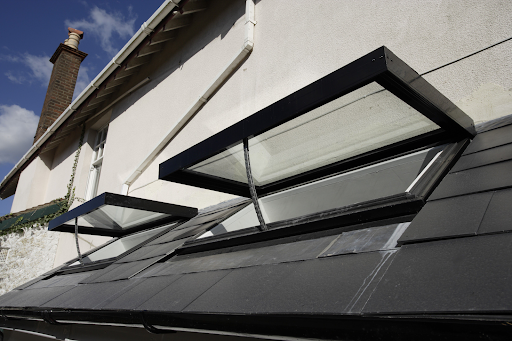
Manual rooflights open with a pole or crank. These work if you can reach them or don’t mind grabbing the pole each time. They’re less expensive than powered versions.
Electric rooflights respond to a switch or remote. No pole needed and no reaching. Worth the higher price if yours sits out of reach or you want simple operation.
Centre-pivot models rotate on their middle axis. They swing wide for serious airflow and flip around so you can clean the outside from inside your house.
Top-hung versions hinge at the top and push outward. The glass blocks rain even when open. You can leave them cracked during drizzle without water coming in.
Rooflights designs have separate panels that open independently. Crack one for light airflow or open everything for maximum ventilation.
Fixed rooflights stay shut permanently. Light comes through but air doesn’t. Only useful if you’re getting ventilation somewhere else.
Energy Efficiency and Ventilation
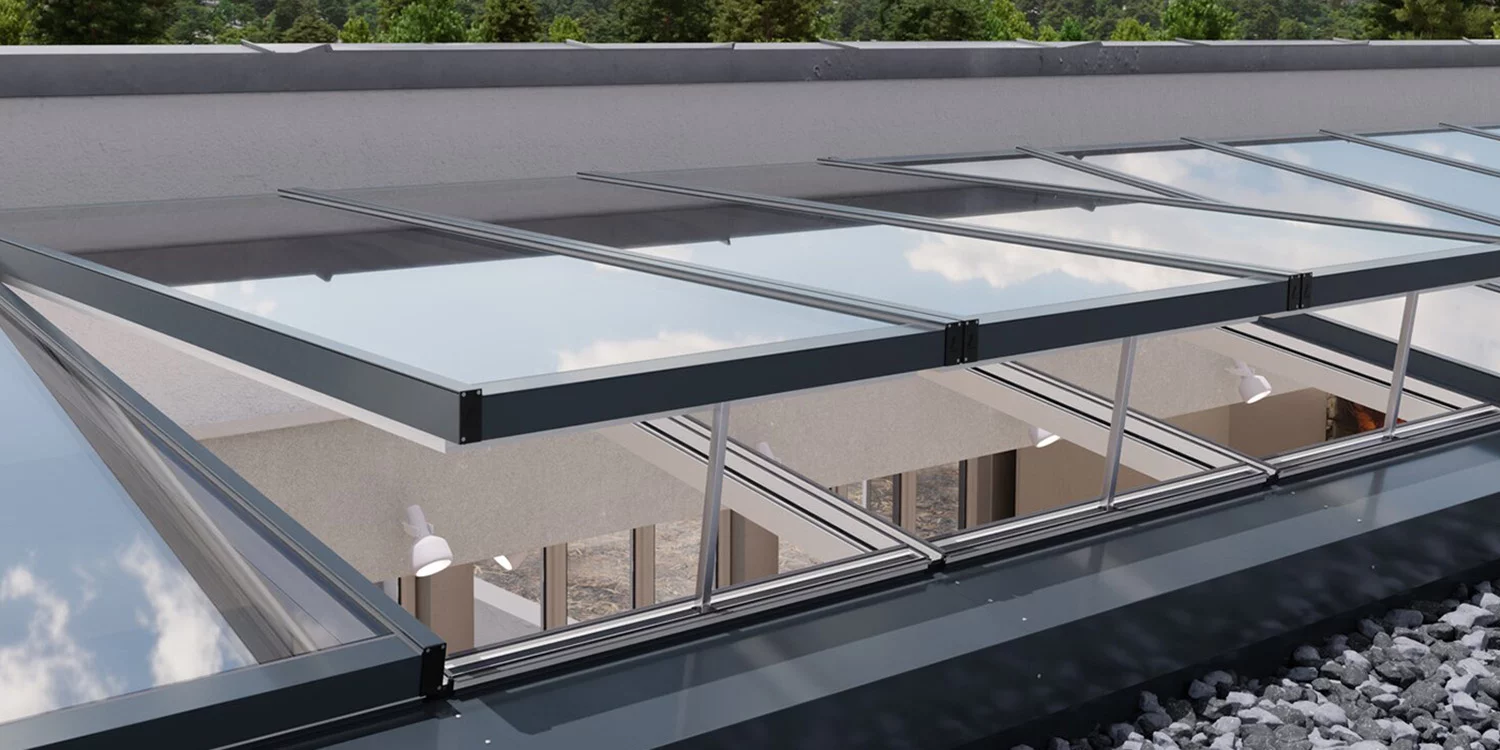
Opening rooflights when weather permits means not running your air conditioner. Natural airflow costs nothing.
Night ventilation clears out daytime heat. Open them after dark and hot air leaves while cool night air replaces it. You wake to a cooler house without the AC running all night.
Floors and walls store heat during sunny days. Night ventilation pulls that stored heat out before it warms your space again tomorrow.
Sensor models open themselves when temperature or humidity climbs too high. They shut when conditions improve. No manual checking needed.
Quality glazing holds heat in when closed. Ventilation when open, insulation when shut.
Maintaining Air Quality with Rooflights
Moisture rises and escapes instead of forming condensation on your surfaces. Kitchens and bathrooms produce the most humidity so they benefit most.
Cooking smoke and steam head straight up. A rooflight over your stove pulls it out before spreading.
Chemical vapors from paint, cleaners and other products exit faster going straight up than traveling sideways to a window.
Airborne dust and allergens get flushed when you ventilate regularly. Moving air keeps concentrations down.
Roof lanterns in sleeping areas helps many people rest better. Fresh air from overhead without wind blowing on you creates comfortable conditions.
Mold grows where moisture lingers. Getting humid air out before it sits on cold surfaces stops mold before it starts.
Maximizing Fresh Air in Small Spaces
Compact rooms with few walls for windows gain ventilation without losing wall space for furniture.
Hallways get almost no airflow normally. A rooflight there moves air through that connecting space.
Interior bathrooms have no exterior walls for windows. Rooflights bring both daylight and real ventilation where exhaust fans were your only option before.
Loft rooms have angled ceilings that don’t suit regular windows. Rooflights fit the slope and actually work better for ventilation up there.
Closets develop stale smells when air sits. A small rooflight keeps things fresh without taking storage space.
Converted spare rooms used as offices often ventilate poorly. A rooflight improves air during long work hours without listening to fans.
Several small rooflights distributed across the ceiling often beat one large unit. Air moves more uniformly with multiple exit points.
Pairing a rooflight with a ceiling fan makes both more effective. The fan pushes air around horizontally while the rooflight pulls it out vertically.
Conclusion
Rooflights tap into how air naturally wants to move. Hot air leaves at the top while cool air comes in below. You can pick from manual, electric or sensor versions depending on what fits your setup. Running natural ventilation instead of AC when the weather allows saves on energy bills. Small cramped spaces get the biggest improvement since rooflights add airflow without eating up precious wall space. Get the placement right and your whole house feels fresher without mechanical systems running constantly.
READ ALSO: The Hidden Cost of Skipping Garden Maintenance in British Homes