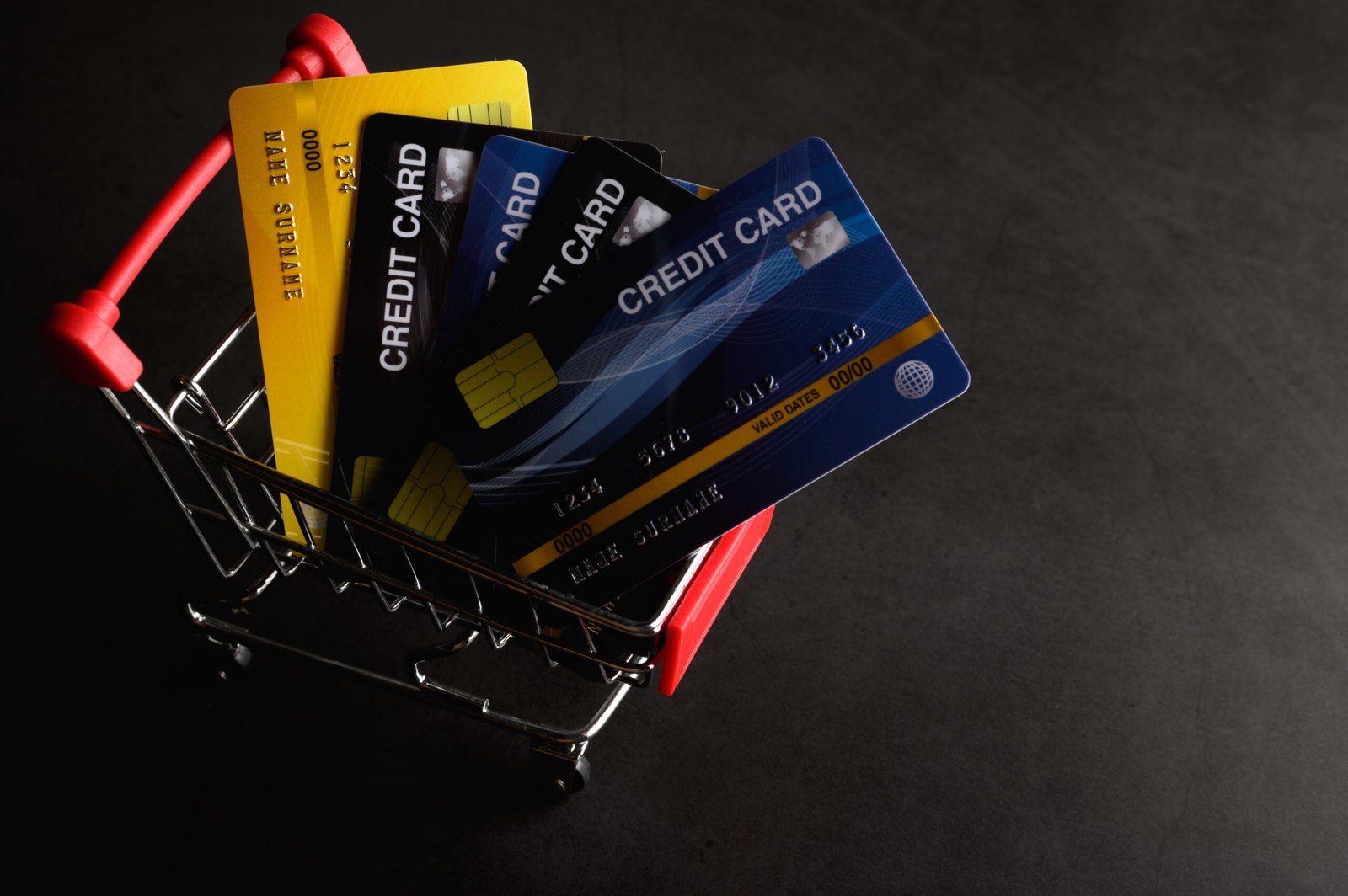
You’ve probably seen this before. You’re at a checkout, someone pulls out a card, and instead of a generic bank design, it has a brand on it — a travel company, a retailer, a marketplace. Maybe you noticed it, maybe you didn’t. But that’s kind of the point.
Branded payment cards are one of those marketing tools that work quietly. There’s no click-through rate to track, no ad spend to justify. Just your logo, your colours, your identity — showing up every time someone reaches for their wallet.
Who Actually Uses These?
The short answer: more businesses than you’d think — and not just the obvious ones.
Large corporations have been doing this for years, usually through employee expense programmes or co-branded partnerships with banks. But things have shifted. Smaller companies are getting into it too, partly because fintech has made it much more accessible, and partly because real-world brand touchpoints are harder to come by in an increasingly digital environment.
Right now, branded cards are used by companies issuing internal expense cards to staff, businesses running payroll card programmes, travel agencies and marketplaces looking for more visibility, and brands partnering with financial institutions to offer customers better shopping terms. That’s a pretty wide range. And if your business sits somewhere in that mix, it’s at least worth considering.
Wallester’s White Label solution covers all of these use cases — and the first 300 cards, whether physical or virtual, are issued free. So the barrier to trying it is lower than it used to be.
Is the Timing Actually Right for This?
The payment card market is growing at around 19.5% annually, according to Allied Market Research. Part of that is the ongoing shift away from cash. But there’s another factor that doesn’t get talked about as much: people are now actively managing money across multiple banks at once, choosing whichever institution offers the best conditions for each use.
In practice, that means people are paying more attention to their cards. They’re not just using whatever arrives in the mail. That’s a different environment than it was ten years ago — and a branded card with genuinely useful benefits has a real shot at becoming someone’s default.
The Actual Advantages (Without the Fluff)
A few things stand out.
Loyalty is a real outcome, not just a buzzword. Research suggests 77% of customers expect personalised service from the brands they use. A card that carries your brand and offers tailored conditions — whether that’s commission-free euro payments, cashback, or integration with a loyalty programme — signals that you’re thinking about the experience beyond the transaction itself. That tends to stick.
Visibility, passively. Every in-person purchase is a moment where your logo appears in front of a cashier, a queue, or just someone nearby. It’s not the most glamorous kind of exposure, but it’s consistent — and it doesn’t cost you anything extra per impression.
Security is solid too. Wallester’s platform includes 3D Secure authorisation, PSD2 compliance, AML and KYC checks, and PCI-DSS standards. You’re not trading off protection for branding — both are covered.
And practically speaking, the cards can link to loyalty programmes, work as gift or prepaid cards, and integrate with payroll and accounting workflows. It’s not just a nice-looking card — there’s real utility behind it.
The Bottom Line
Branded payment cards aren’t going to transform your business overnight. But they are a low-effort, relatively cost-effective way to add a touchpoint that most competitors probably haven’t thought much about.
Your brand is going to show up on a card that gets used regularly — it might as well be yours.
It’s a simple idea. And simple ideas, when executed well, tend to work.