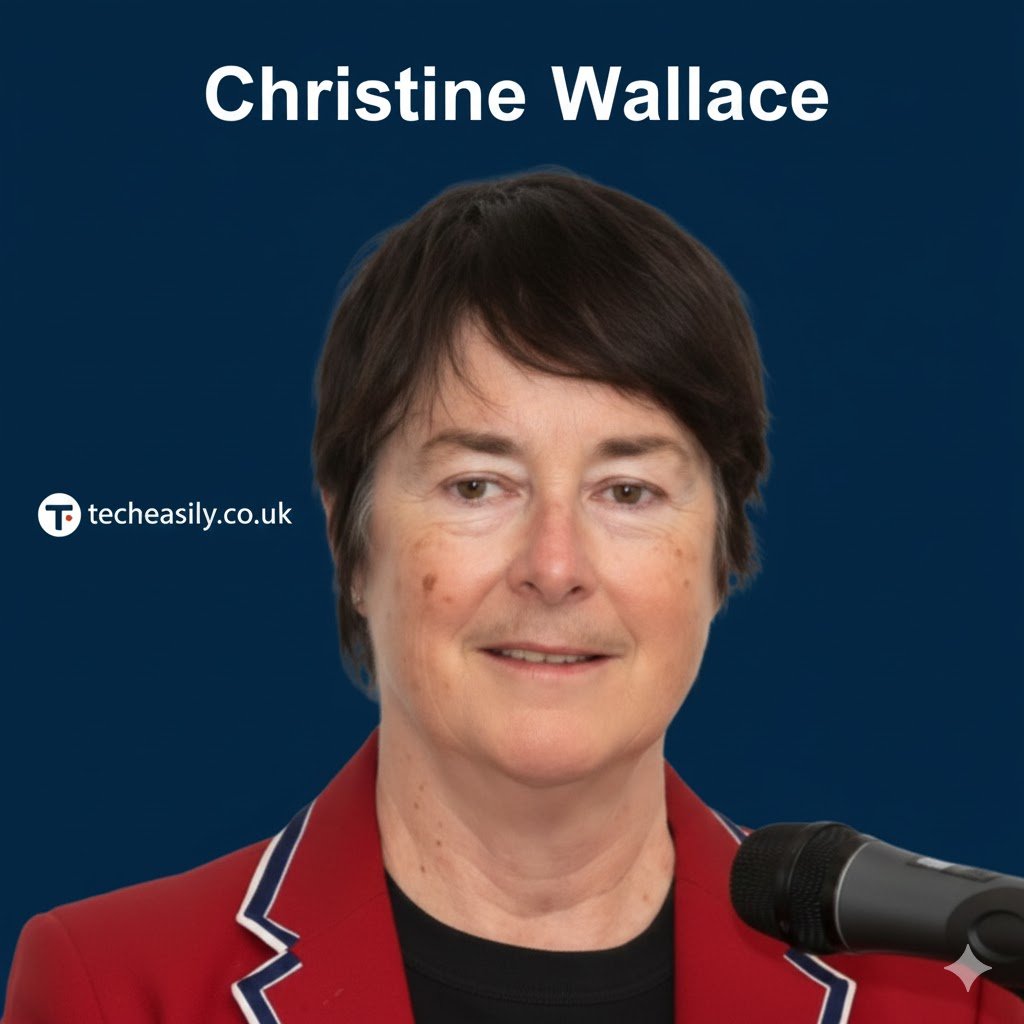
Christine Wallace is a name that resonates within the realms of Australian political journalism, biography, and academic research. Known for her in-depth exploration of political figures and their legacies, Wallace’s work offers a unique lens into the lives of those who have shaped public life in Australia. From her early career as a political journalist to her academic contributions, she has carved out a distinct place in both journalism and historical scholarship.
Early Life and Education
Born in 1960, Christine Wallace developed a keen interest in politics and history at an early age. She pursued her academic interests with a passion, earning a Bachelor of Arts in Politics and History, a Bachelor of Economics, and later an MBA from leading Australian universities. Wallace’s educational background laid the foundation for her future career in political commentary and biography.
Her pursuit of knowledge didn’t stop with her degrees. In 2015, Wallace completed her PhD at the Australian National University. Her doctoral thesis, titled Political Biography as Political Intervention, explored the power of political biography in shaping public perception and influencing political discourse. This research has become a cornerstone of her academic contributions, bridging the gap between history, politics, and public understanding.
Christine Wallace Political Journalism: Reporting on Power and Policy
Wallace’s professional journey began in the world of political journalism. She became a respected member of the Canberra Press Gallery, reporting on the Australian federal government for several high-profile publications. Known for her sharp analytical mind and clear writing style, she quickly gained a reputation for uncovering the complexities of Australian politics.
Working for some of Australia’s top publications, including The Australian Financial Review and Business Review Weekly, Wallace brought an incisive approach to her political coverage. She not only reported on the headlines but also delved deep into the policy decisions, government strategies, and the political dynamics shaping Australian society. Wallace’s insights into national affairs provided her audience with a deeper understanding of the forces at play in the country’s political landscape.
Christine Wallace Biographer: The Art of Political Storytelling
Christine Wallace is perhaps best known for her work as a biographer. Over the years, she has written about some of Australia’s most influential political and cultural figures. Her approach to biography is not just about recounting events but rather about exploring the personal and political legacies of the people she writes about.
One of her first major works, Hewson: A Portrait, was a detailed biography of John Hewson, a former leader of the Liberal Party of Australia. In this work, Wallace examined not only Hewson’s career but also his ideas, challenges, and impact on Australian politics. The book received praise for its comprehensive nature and ability to humanize a figure often seen through the lens of political battles.
Her biography of Germaine Greer, Germaine Greer: Untamed Shrew, was another notable achievement. Greer, a feminist icon, was a complex figure whose life and work sparked both admiration and controversy. Wallace’s nuanced exploration of Greer’s career, both as a cultural figure and an activist, shed light on the challenges and triumphs that defined her public persona.
Perhaps one of Wallace’s most well-known works is The Private Don, which profiles Sir Don Bradman, Australia’s cricket legend. In this biography, Wallace offers a behind-the-scenes look at Bradman’s personal life while also examining his towering presence in the world of sport. The book captures Bradman’s complexity, revealing a man who was both a national hero and a deeply private individual.
Christine Wallace Academia and Research: Advancing Political Scholarship
In addition to her work as a journalist and biographer, Christine Wallace has made significant contributions to academic scholarship. Her PhD thesis on the impact of political biography has led her to explore the power of narrative in politics, focusing on how biographers shape public memory and influence political discourse.
Wallace’s academic career has expanded to teaching and mentoring at various institutions, where she guides young scholars in the fields of political history and biographical writing. Her research delves into the ways in which political figures’ lives are interpreted, reinterpreted, and mythologized, impacting how future generations understand their contributions. This approach has made Wallace a leading voice in political biography as both a scholar and a practitioner.
Legacy and Influence
Christine Wallace’s work continues to have a profound impact on both Australian political journalism and biographical writing. Through her books, articles, and research, she has contributed to a deeper understanding of political figures and their place in history.
Her writing has shed light on the personal stories behind the public personas of influential individuals, and her academic work continues to challenge how biographers approach the lives of political leaders. By examining how these biographies shape public memory, Wallace has placed herself at the forefront of a critical academic conversation about the intersection of politics, history, and narrative.
Christine Wallace Influence in Political Biography
In a world where political discourse often focuses on the present, Wallace’s ability to connect the past with the future through the lens of biography is a key contribution. Her academic pursuits and biographical works have influenced scholars, writers, and journalists who continue to study and write about the complexities of leadership, identity, and legacy.
Her ability to examine public figures through a personal lens ensures that her work will continue to be read and discussed for years to come, making her an enduring figure in the field of political biography and journalism.
Conclusion
Christine Wallace’s life and career are a testament to her unwavering commitment to political storytelling. Whether as a journalist, biographer, or academic, she has dedicated herself to understanding and sharing the stories of Australia’s most influential figures. Her work continues to inspire, educate, and engage audiences who are interested in the intersection of politics, history, and narrative.
Through her books, her research, and her teaching, Wallace has left an indelible mark on Australian political scholarship. Her legacy will endure as future generations continue to read her work and draw on her insights to better understand the stories of leadership and political power.