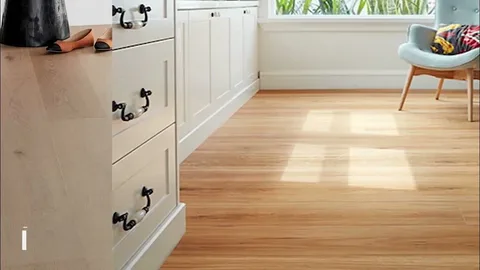
Flooring decisions in rental properties sit right at the intersection of cost, durability, and visual appeal. It’s one of the first things tenants notice, yet also one of the quickest elements to show wear when choices are made purely on price.
The challenge isn’t just finding the cheapest option, but choosing something that holds up to everyday life without constant replacement. Understanding where to save and when an upgrade is justified can make a noticeable difference to long-term returns and tenant satisfaction.
What “Cost-Effective” Really Means in Rentals
Cost-effective flooring isn’t always the lowest upfront price. It’s about lifespan, ease of maintenance, and how forgiving the surface is when faced with spills, furniture scuffs, or muddy shoes. A floor that looks tired after one tenancy can end up costing more than a slightly pricier alternative that lasts for years.
In rental settings, floors need to handle movement, regular cleaning, and a lack of sentimental care. Neutral tones tend to work best, pairing easily with different wall colours, furniture styles, and soft furnishings as tenants come and go.
Vinyl and LVT: The Practical Favourite
Sheet vinyl and luxury vinyl tiles (LVT) are often top of the list for landlords, and for good reason. They’re resilient, water-resistant, and easy to clean, which makes them particularly suitable for kitchens, hallways, and bathrooms. Modern designs have moved well beyond the shiny finishes of the past, offering convincing wood and stone looks that feel current without being risky.
Vinyl works especially well in properties where tenants may not be meticulous about spills or humidity. Whereas LVT tends to cost more, but often pays off through improved durability and a more premium appearance, particularly in open-plan living areas.
Laminate: Affordable, Not Foolproof
Laminate flooring remains popular due to its affordability and straightforward installation. It can work well in living rooms and bedrooms where moisture isn’t a concern. Light oak or mid-tone wood effects are usually the safest options, helping rooms feel bright without showing every mark.
However, the laminate’s weakness is its susceptibility to water. In properties where spills, pets, or poorly ventilated spaces are likely, swelling and warping can quickly turn it into a false economy. If used, it’s best aired with a good-quality underlay and clear tenant guidance on care.
Carpet: Still Relevant in the Right Places
Carpet is often overlooked in rental properties, yet it still has its place, particularly in bedrooms and upper floors. It adds warmth, reduces noise, and can make a property feel more comfortable and homely. The key lies in choosing hard-wearing options with low pile and darker flecks that disguise everyday wear.
Neutral greys, muted beiges, and soft taupes tend to age better than bold colours. When combined with simple skirting boards, painted walls, and understated window treatments, carpet can quietly support a calm liveable atmosphere without demanding attention.
Parquet: Character Without the Commitment
Parquet flooring has quietly worked its way back into rental conversations, largely because it offers visual interest without relying on bold colour or high-maintenance finishes. Traditional wood parquet brings pattern and warmth, instantly lifting living spaces and hallways, but solid wood isn’t always the most practical choice for rentals.
This is where rental-friendly alternatives come into play. Parquet-style LVT and laminate now replicate classic herringbone and chevron patterns with impressive realism. These options keep the look refined while offering better resistance to moisture, scratches, and everyday wear.
When the Bare Minimum Starts to Cost More
There’s a tipping point where budget flooring begins to work against the property. If a floor needs replacing every one or two tenancies, the disruption, labour costs, and void periods can outweigh any initial savings. Visible wear also impacts perceived value, potentially limiting rental price or attracting less reliable tenants.
This is often where upgrading makes sense. A more durable LVT, engineered wood in a living space, or better-quality carpet upstairs can subtly elevate the entire property. These upgrades don’t need to shout luxury; they simply need to hold up well and look cared for.
Is It Worth Spending More?
Upgrading flooring is most worthwhile when it reduces replacement cycles, improves tenant experience, or aligns with the property’s positioning. For short-term or high-turnover rentals, robust budget options still make sense. For long-term lets, family homes, or competitive rental markets, spending a little more often pays back quietly over time.
The best flooring choices for rental properties aren’t about chasing trends or cutting corners. They’re about understanding how people live in the space, how much wear it will realistically face, and choosing materials that support both practicality and longevity. When those factors align, the floor becomes less of a problem to manage and more of a steady foundation for the property as a whole.