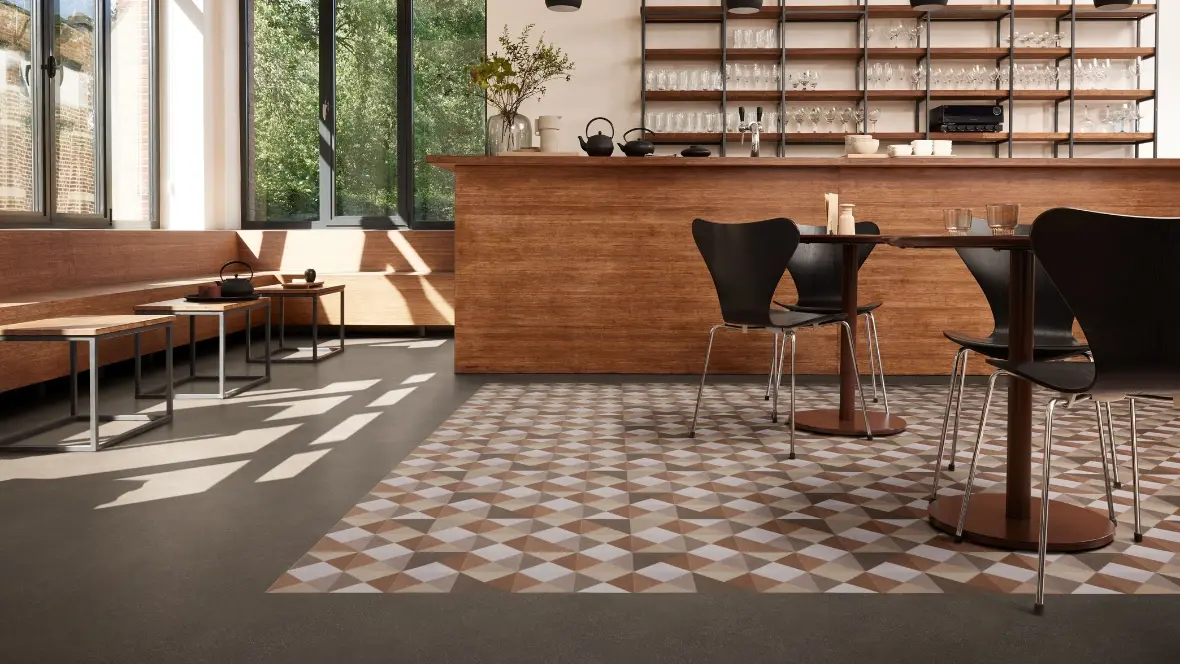
In the hospitality sector, atmosphere is everything. Lighting, décor, layout, and acoustics all contribute to the customer experience — but flooring is one of the most visually dominant and heavily used elements in any restaurant or pub. Wooden floors, in particular, play a central role in shaping ambience. However, under constant foot traffic, spills, and furniture movement, even high-quality timber surfaces can lose their visual appeal and structural integrity.
Professional floor restoration is not merely a cosmetic upgrade. It is a strategic investment that enhances aesthetics, protects brand image, and supports long-term operational performance.
First Impressions Begin at Floor Level
Guests often make subconscious judgments within seconds of entering a venue. Worn, scratched, or dull flooring can undermine an otherwise well-designed interior. High-traffic areas such as entrances, bar zones, and dining spaces are particularly susceptible to visible wear patterns.
A professionally restored wooden floor immediately elevates the perceived quality of a venue. Clean lines, even finishes, and refreshed tones contribute to a polished and inviting atmosphere. In competitive hospitality markets, these details directly influence customer perception and repeat business.
Reinforcing Brand Identity
Many restaurants and pubs intentionally use timber flooring to create warmth, authenticity, or heritage character. Whether the concept is rustic, modern industrial, or classic gastropub, the condition of the flooring supports the overall brand narrative.
When timber surfaces fade or become uneven, they dilute that brand identity. Restoration — including sanding, refinishing, and resealing — restores depth of colour and consistency of finish, ensuring the flooring aligns with the venue’s design intent.
Well-maintained floors also photograph better, which is increasingly important in an era driven by social media visibility and online reviews.
Managing High Traffic Without Sacrificing Style
Hospitality environments experience intense daily usage. Restaurants and pubs are exposed to multiple forms of mechanical and environmental stress that gradually degrade timber surfaces, including:
- Constant foot traffic during peak trading hours
- Movement of chairs and tables across the surface
- Spillages of food, alcohol, and cleaning agents
- Temperature and humidity fluctuations
- Abrasion in entrance and bar areas
Without periodic intervention, protective coatings wear down, exposing timber boards to staining and long-term structural damage. Professional restoration removes surface-level deterioration and reapplies commercial-grade finishes designed specifically for high-traffic environments.
Businesses seeking tailored solutions for hospitality venues can explore Pub floor restoration services focused on sanding, refinishing, and protecting wooden flooring in restaurants and bars.
Enhancing Customer Comfort and Safety
Beyond aesthetics, flooring condition directly affects comfort and safety. Uneven boards, splintering edges, or degraded finishes can create trip hazards and compromise compliance standards.
Professional restoration smooths the surface, reinforces structural stability, and applies appropriate coatings to improve traction. For venue operators, this reduces liability risk while maintaining a welcoming environment for guests.
A well-maintained floor contributes to both atmosphere and operational security.
Extending Asset Lifespan
Replacing timber flooring in a restaurant or pub is disruptive and costly. Closure during renovation results in lost revenue, not just capital expense.
Restoration offers a more efficient alternative. Periodic sanding and refinishing extend the lifecycle of existing flooring by many years, preserving both investment and operational continuity. Work can often be scheduled during quieter trading periods to minimise disruption.
This lifecycle-focused approach aligns with smart asset management practices in the hospitality sector.
Sustainability and Responsible Operations
Sustainability is increasingly important to modern diners. Maintaining and restoring existing timber flooring reduces material waste and lowers the environmental impact associated with full replacement.
By choosing restoration over removal, venues demonstrate responsible operational practices while maintaining high aesthetic standards.
Atmosphere Is Built on Detail
In hospitality, ambience is not accidental — it is engineered through deliberate design choices and ongoing maintenance. Flooring forms the foundation of that atmosphere, both visually and functionally.
Professional floor restoration enhances colour, texture, and finish while safeguarding durability and safety. For restaurants and pubs seeking to maintain a premium experience, restoration is not simply maintenance — it is part of the brand strategy.
When executed correctly, restored wooden floors strengthen identity, improve guest perception, and support long-term commercial success in competitive hospitality environments.