Introduction
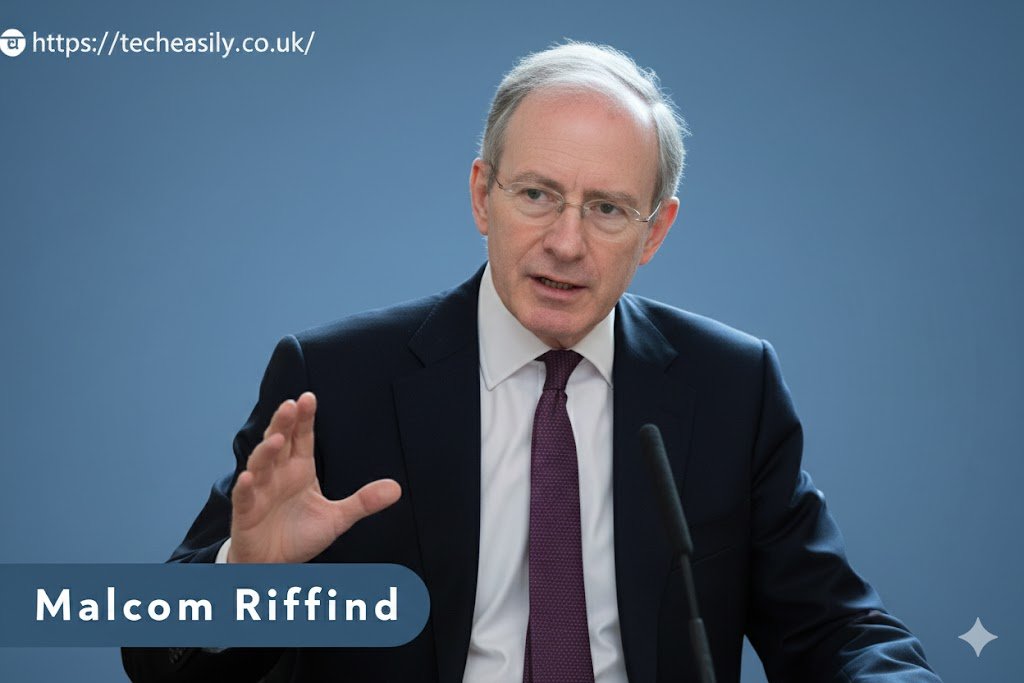
Sir Malcolm Rifkind is one of the most distinguished British politicians of the late 20th and early 21st centuries, known for his tenure in some of the highest offices in the UK government. A member of the Conservative Party, Rifkind’s career spanned over four decades, during which he held key positions in both domestic and foreign policy. His legacy is marked by his pragmatic approach to governance, his influence in shaping British foreign relations, and his ability to navigate the complexities of both domestic and international politics. This article delves into his life, political journey, family, and the significant moments that defined his public service.
Early Life and Education
Malcolm Leslie Rifkind was born on 21 June 1946 in Edinburgh, Scotland. Growing up in a Jewish family of Lithuanian descent, Rifkind’s early life was shaped by the values of hard work, discipline, and education. His father, a successful businessman, instilled in him the importance of intellect and service. Rifkind attended George Watson’s College in Edinburgh before going on to the University of Edinburgh, where he studied law. His academic prowess set the stage for his future career in both law and politics.
After completing his law degree, Rifkind pursued postgraduate studies in political science, which included a period of time as an assistant lecturer at the University College of Rhodesia (now the University of Zimbabwe) from 1967 to 1969. This experience abroad provided Rifkind with early exposure to international political affairs and gave him a broader perspective on global issues, which would later influence his approach to foreign policy.
Malcolm Rifkind Political Career: From MP to Foreign Secretary
Early Political Engagement
Rifkind entered politics in 1970, first as a local councillor in Edinburgh. He then became a Member of Parliament (MP) in 1974, representing Edinburgh Pentlands. As a new face in Westminster, Rifkind quickly earned a reputation as a capable and articulate advocate for his constituents. His legal background and intellectual approach to political issues set him apart from many of his peers.
He first rose to national prominence after the Conservative victory in the 1979 general election, when Margaret Thatcher became Prime Minister. Rifkind was appointed Parliamentary Under-Secretary of State at the Scottish Office. In this role, he worked on a wide range of domestic issues, including housing, industry, and public services. His early work demonstrated his pragmatic approach to governance—prioritizing practicality over ideological purity.
Cabinet Positions and High-Level Appointments
Rifkind’s political career truly took off in the 1980s and 1990s as he moved through various high-level cabinet positions under Prime Ministers Margaret Thatcher and John Major.
- Secretary of State for Scotland (1986–1990): In this role, Rifkind managed key policy areas affecting Scotland, including economic development, public services, and relations with the UK government. His tenure saw significant reforms in housing and industry.
- Secretary of State for Transport (1990–1992): During a time of considerable change in the transport sector, Rifkind implemented policies aimed at modernizing and improving Britain’s infrastructure. He faced challenges involving public transport privatization and the expansion of road networks.
- Secretary of State for Defence (1992–1995): As Defence Secretary, Rifkind played a pivotal role in reshaping the UK’s defense policy in the post-Cold War world. He oversaw the restructuring of the military and the reduction of defense spending in light of the diminished threat from the Soviet Union. Rifkind’s strategic decisions during this time earned him both praise and criticism, particularly regarding military budget cuts and troop reductions.
- Foreign Secretary (1995–1997): Perhaps the most defining position of Rifkind’s career, his time as Foreign Secretary saw him navigating the complexities of British foreign policy during a period of significant change. The world was transitioning from the Cold War to a more multipolar order, and Rifkind was instrumental in managing the UK’s relationships with Europe, the United States, and emerging global powers. He also played a key role in the Balkans conflict, where the UK’s stance on military intervention was heavily scrutinized.
Malcolm Rifkind Brexit, Later Career, and Personal Views
Although Rifkind retired from frontline politics in 2015, his legacy in shaping British policy continues. His views on Brexit were notably pro-European, and he was one of the Conservative Party members who argued against leaving the European Union. As a prominent voice within the Conservative Party, Rifkind’s stance on Brexit reflected his belief in the importance of European integration for the stability of both the UK and Europe.
After leaving Parliament, Rifkind transitioned into roles in academia and advisory positions. He became a Visiting Professor at King’s College London, where he taught War Studies and International Relations, drawing on his extensive experience in government. He has also served as a Distinguished Fellow at the Royal United Services Institute (RUSI), contributing to discussions on defense, security, and foreign policy.
Malcolm Rifkind Family Life and Personal Background
Malcolm Rifkind’s family life has been marked by both public and personal milestones. He married his first wife, Edith Steinberg, in 1970, and they had two children: a son, Hugo Rifkind, who went on to become a journalist and columnist, and a daughter, Caroline Rifkind. His son, Hugo, is well-known for his work as a columnist for The Times and The Spectator, often writing on politics, society, and culture.
After the passing of his first wife, Rifkind remarried in 2022 to Sherrie Bodie, his second wife. The couple reportedly resides in London, though they maintain connections to Scotland. His personal life, like his public career, has largely remained private, though his children have occasionally been in the media spotlight due to their own professional endeavors.
Rifkind’s Jewish heritage has been an important aspect of his personal identity, though it is not something he has frequently emphasized in his political life. His Jewish background has, however, shaped his views on issues such as international relations, security, and his approach to diplomacy.
Malcolm RifkindLegacy: A Career Defined by Pragmatism and Service
Sir Malcolm Rifkind’s career is a testament to his dedication to public service, his ability to navigate the complexities of government, and his lasting influence on British foreign policy. Known for his pragmatic approach to politics, Rifkind was a key figure in shaping the UK’s defense and foreign policy during a period of significant global change.
His leadership in high-level cabinet positions helped modernize and strengthen the UK’s defense and transport systems, while his tenure as Foreign Secretary ensured that Britain maintained a strong voice in global affairs. Rifkind’s pro-European stance and his foresight on the importance of international cooperation have left a lasting impact on British political thought.
Conclusion
As a seasoned statesman and a respected voice on international security, Sir Malcolm Rifkind is regarded as one of the most influential politicians of his generation. His career, spanning several decades of public service, has left an indelible mark on the political landscape of the UK. Whether through his work in government, his contributions to think tanks, or his guidance to future generations of leaders, Rifkind’s legacy continues to shape British policy and global diplomacy.
Though now retired from active politics, Sir Malcolm Rifkind’s ongoing work as an academic and advisor ensures that his influence on matters of defense, foreign relations, and international law will be felt for years to come.