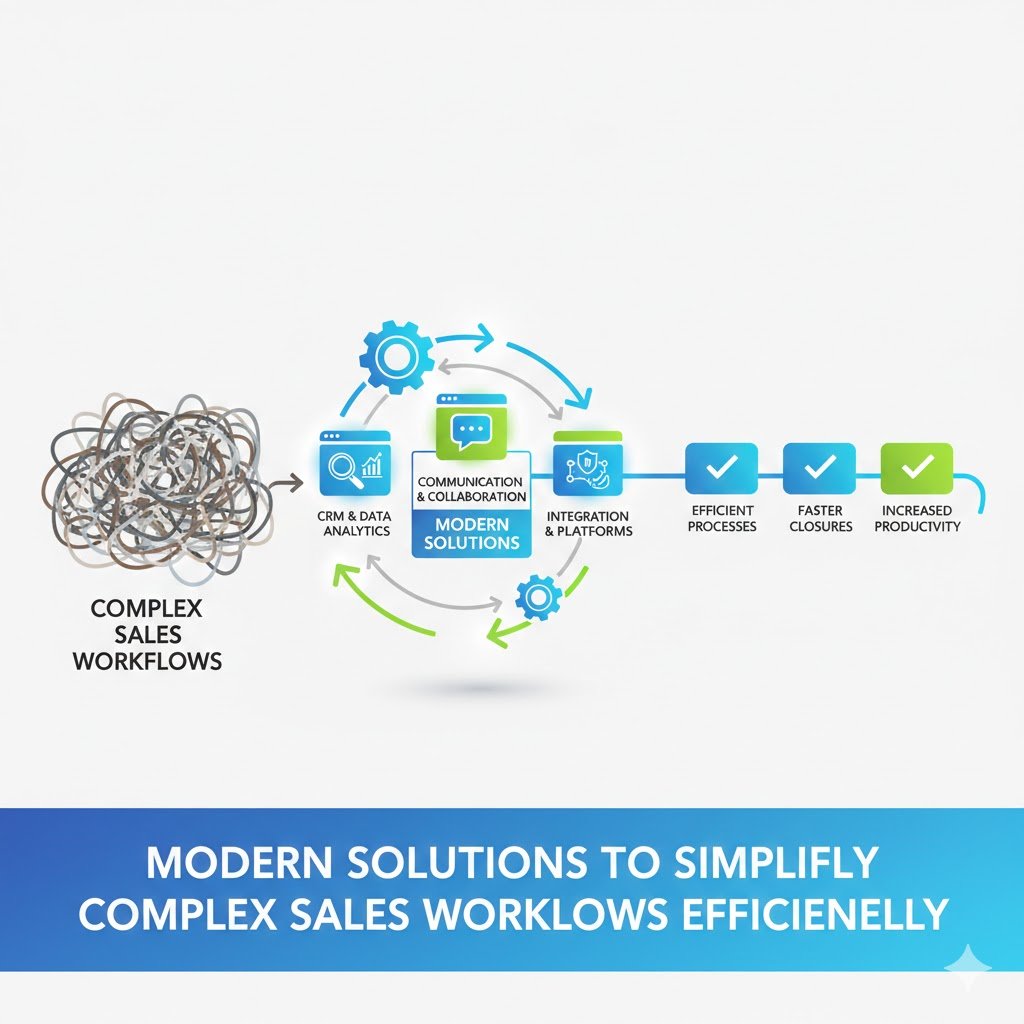
Modern sales teams face growing pressure to close deals faster and manage more data. Sales workflows often become complex as businesses grow. Multiple tools, long approval steps, and scattered information slow teams down. This can lead to missed opportunities and frustration. Modern solutions help simplify these complex sales workflows. They bring structure, automation, and clarity to daily sales tasks. With the right systems in place, sales teams can work more efficiently and focus on building customer relationships. Read on.
Understanding Complex Sales Workflows
Sales workflows include every step from lead capture to deal closure. In many businesses, these steps involve different teams and tools. Data may sit in emails, spreadsheets, and platforms that do not connect. When workflows are complex, sales reps spend more time on admin work. They update records, search for information, and follow manual processes. This reduces selling time and lowers productivity. Simplifying workflows starts with understanding where delays and errors occur.
Automation as a Core Solution
Automation is one of the most effective ways to simplify sales processes. It removes repetitive tasks from daily work. Examples include lead assignment, follow-up emails, and data updates. Automated workflows ensure tasks happen on time. This reduces mistakes caused by manual entry. Sales reps can trust that steps are completed correctly. With automation, teams respond faster to leads. Faster response improves customer experience and increases conversion rates.
Centralized Data for Better Visibility
Centralized data helps sales teams work smarter. When all customer information lives in one place, teams avoid confusion. Everyone sees the same details and updates. A single data view improves collaboration. Sales, marketing, and support teams stay aligned. This leads to smoother handoffs and stronger customer relationships. Centralized systems also improve reporting. Managers can track performance and identify issues quickly.
Streamlining Lead and Opportunity Management
Lead management becomes complex when data is scattered. Modern tools simplify this by tracking leads automatically. They score leads based on behavior and interest. Opportunity management also benefits from simplification. Clear stages guide reps through the sales process. Each step has defined actions and goals. This structure helps sales teams stay organized. It also makes forecasting more accurate.
Improving Collaboration Across Teams
Sales workflows often involve multiple departments. Poor communication causes delays and errors. Modern solutions improve collaboration through shared platforms. Teams can comment, assign tasks, and share updates in real time. This reduces back-and-forth emails and meetings.Clear collaboration improves speed and accountability. Everyone knows their role in the sales process.
Using Intelligent Insights to Guide Sales
Modern sales tools offer data-driven insights. These insights show trends, risks, and opportunities. Sales teams can act with confidence instead of guesswork. Insights help identify which deals need attention. They also show which actions lead to success. This supports smarter decision-making. Many organizations work with experts like Salesforce Agentforce Consulting to design systems that deliver useful insights. Proper setup ensures data supports daily sales work.
Enhancing Customer Experience Through Simplicity
Simple workflows improve customer experience. Faster responses and clear communication build trust. Customers feel valued when interactions are smooth.Consistent processes also reduce errors. Accurate data prevents confusion during sales conversations. This leads to stronger relationships.A better customer experience often leads to repeat business and referrals.
Simplify Complex Sales Workflows the Right Way
Simplifying complex sales workflows is essential for modern businesses. Automation, centralized data, and collaboration tools reduce friction and save time. Sales teams can focus on selling instead of managing systems. With the right solutions, workflows become clear and efficient. This leads to better performance, happier teams, and stronger customer relationships.