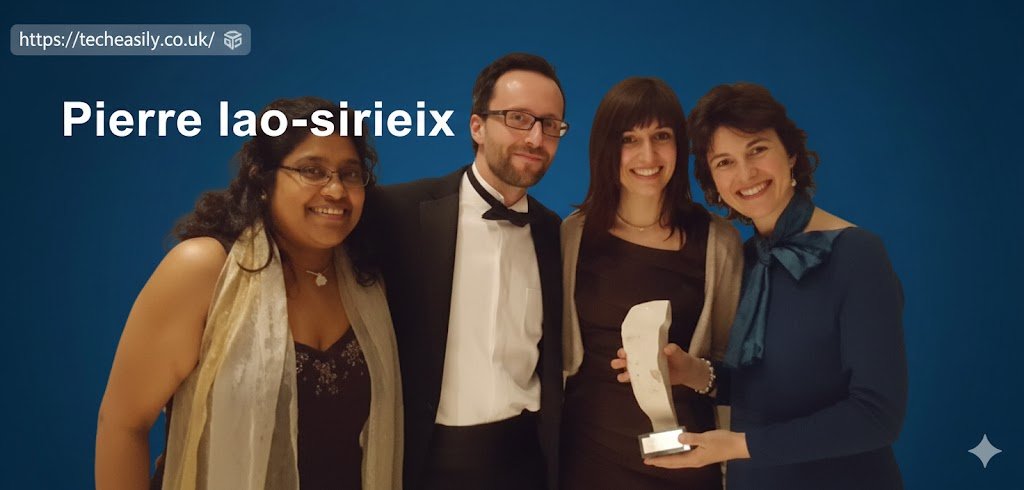
Pierre lao-sirieix is a prominent scientist whose contributions to the field of oncology and translational medicine have made him a leader in his domain. From his early days of research on cancer biomarkers to his current leadership role in clinical biotechnology, Lao‑Sirieix has established himself as a key figure in advancing precision medicine and innovative cancer treatments. This article explores his career, scientific contributions, and the lasting impact of his work.
Early Life and Educational Background
Pierre Lao‑Sirieix’s scientific journey began with a strong academic foundation in the life sciences. His pursuit of knowledge led him to higher education, where he earned a PhD in biomedical sciences, followed by advanced research training in cancer biology, biomarker discovery, and clinical science. His early education in biology and his innate curiosity about how the human body works laid the groundwork for his later groundbreaking work in cancer research.
Lao‑Sirieix’s academic path took him through some of the most prestigious institutions in the UK, where he honed his skills in cell biology, molecular techniques, and clinical applications of biomedical research. This blend of academic rigor and research experience set him on a path to specialize in oncology, with a focus on cancer biomarkers, which would later become the cornerstone of his career.
pierre lao-sirieix The Cancer Biomarker Revolution
The key to much of pierre lao-sirieix work lies in the discovery and development of biomarkers for cancer detection, particularly in early detection methods. Early cancer detection is crucial for improving patient outcomes, and Lao‑Sirieix’s research has played a pivotal role in advancing this field.
His most notable contributions began with his work on Barrett’s esophagus, a condition that can develop into esophageal cancer. While traditional diagnostic methods for conditions like this often involve invasive procedures, Lao‑Sirieix’s team sought a way to detect early changes at the molecular level, allowing for non‑invasive screening.
Non-Endoscopic Screening for Cancer
One of his significant breakthroughs was in non‑endoscopic screening for Barrett’s esophagus. Traditionally, diagnosing conditions such as Barrett’s esophagus, a precursor to esophageal adenocarcinoma, required endoscopic procedures, which were costly and time‑consuming. Lao‑Sirieix developed a biomarker‑based screening method that could be done without the need for invasive procedures. This approach opened up the possibility of widespread screening for a condition that could ultimately lead to deadly cancer, thus providing an avenue for early intervention.
His work on this non‑endoscopic biomarker discovery gained widespread recognition in the scientific community and demonstrated the power of biomarkers in the fight against cancer. The approach demonstrated that molecular markers could be used to identify premalignant conditions before they progress to full‑blown cancers. This form of early diagnosis was a game‑changer, offering a less invasive, cost‑effective solution to identifying people at risk.
Translational Medicine: Bridging the Gap Between Lab and Clinic
As pierre lao-sirieix research moved beyond biomarkers and into the world of translational medicine, his focus shifted to bridging the gap between basic scientific research and clinical application. Translational medicine, which aims to translate laboratory discoveries into real‑world clinical treatments, became the next frontier for Lao‑Sirieix.
From Laboratory to Patient
Lao‑Sirieix’s work has always emphasized the importance of taking scientific discoveries from the lab and applying them directly to patient care. He has been instrumental in ensuring that biomarker research does not remain confined to academic journals but instead makes its way into clinical trials and therapeutic solutions.
This dedication to bridging the gap between science and patient care led Lao‑Sirieix to a series of leadership roles in major pharmaceutical companies. His strategic vision helped push forward several programs designed to integrate biomarkers into the clinical trial process, ultimately improving the precision and effectiveness of cancer treatments.
Lao‑Sirieix’s role in leading translational research teams allowed him to contribute to the development of new cancer therapies that were directly informed by the molecular findings from his early research. This shift towards personalized cancer treatment represents the cutting edge of modern oncology.
pierre lao-sirieix Career Leadership: From Academia to Biotech
Throughout his career, Lao‑Sirieix has demonstrated exceptional leadership in both the academic and biotech industries. After his early success in academic research, he transitioned to leadership positions in biopharmaceutical companies, where he contributed to clinical development, biomarker strategy, and patient‑centric therapeutic programs.
In his role as Vice President and Head of Translation and Biomarkers at Autolus Therapeutics, Lao‑Sirieix oversees a team that is at the forefront of innovative cancer treatments, specifically in the realm of immuno‑oncology and CAR T‑cell therapy. At Autolus, he leads efforts to identify and develop biomarkers that will aid in selecting the right patients for novel cell therapies.
His expertise in translational science has positioned him as a key player in the field of cell therapy, particularly the development of therapies that harness the immune system to fight cancer.
pierre lao-sirieix Legacy of Research and Impact on Oncology
Pierre Lao‑Sirieix’s work has left an indelible mark on the field of oncology, particularly in the realm of early cancer detection and precision medicine. Through his pioneering research on biomarkers and non‑invasive diagnostic methods, Lao‑Sirieix has transformed how the medical community approaches the detection of cancer, offering new avenues for screening and intervention.
His work on Barrett’s esophagus and non‑endoscopic biomarkers continues to be a foundational contribution to the field of early cancer diagnosis. In addition, his leadership in biotech companies ensures that these discoveries are not just limited to the lab but are actively being translated into real‑world treatments that could save lives.
Lao‑Sirieix’s focus on precision medicine has led to the development of therapies that are not only more effective but also more personalized to the genetic and molecular profile of individual patients. By using biomarkers to tailor treatments to specific cancer types and patient populations, Lao‑Sirieix has helped propel the field of oncology into an era of highly personalized care.
The Future: Continuing Innovation in Cancer Treatment
Looking ahead, pierre lao-sirieix impact on the field of cancer research is far from over. His work continues to evolve as he leads efforts in precision oncology, biomarker research, and translational medicine. As technologies advance and new discoveries are made, Lao‑Sirieix will likely remain at the forefront of efforts to improve cancer care and enhance patient outcomes.
The future of cancer treatment will undoubtedly be shaped by his ongoing research, as well as the work of scientists and clinicians who follow in his footsteps. By continuing to leverage his expertise in biomarkers and translational medicine, Lao‑Sirieix is poised to play a key role in the future of personalized oncology, ensuring that cancer treatments are more effective, less invasive, and tailored to the needs of individual patients.
Conclusion
Pierre Lao‑Sirieix’s career has been defined by a commitment to improving early cancer detection, biomarker development, and precision medicine. From his academic contributions to his leadership in the biopharmaceutical industry, Lao‑Sirieix has advanced the field of oncology by making groundbreaking discoveries and ensuring they reach the patients who need them most.
As the cancer research landscape continues to evolve, Pierre Lao‑Sirieix remains a visionary leader whose work will shape the future of cancer care for years to come.