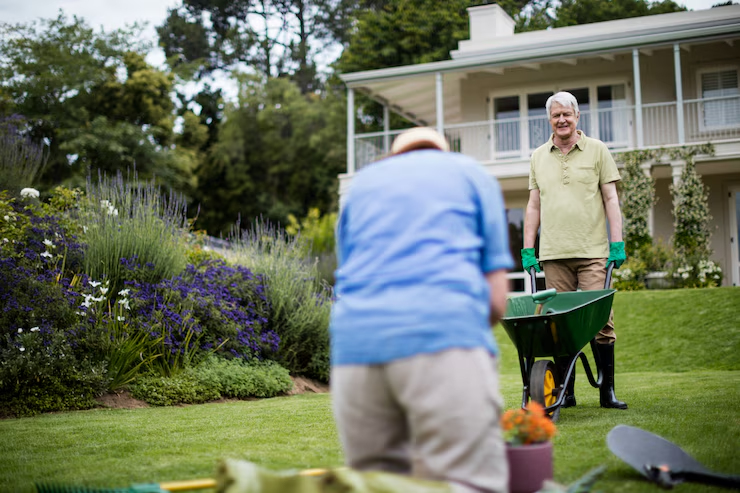
It usually starts the same way. You miss a weekend of gardening because it’s raining again, then another because you’ve got other plans.
Before long, the lawn looks a bit wild, the borders are out of control, and you tell yourself you’ll ‘sort it next month.’
Gardens are brilliant at hiding problems until they’re too big to ignore. What looks like mild neglect now can snowball into expenses you never planned for. Curious to know what those hidden costs look like? Let’s get into it.
Falling Property Value
You don’t need to be planning a house sale for your garden to matter. The outside of your home sets the tone long before anyone steps indoors, whether that’s a potential buyer, a valuer, or even just you coming back from work.
Weeds creeping across paths, patchy lawns, or sagging hedges make the whole property feel slightly unloved. And once that impression settles in, it’s hard to shake.
Estate agents won’t always say it outright, but gardens play a bigger role in valuations than people realise.
A well-kept outdoor space makes a home feel bigger, brighter, and better cared for. A neglected one does the opposite.
You might not see a figure attached to that loss straight away, but it’ll show up when offers come in lower than expected or when buyers hesitate altogether.
Drainage and Flooding Problems
The weather in the UK doesn’t need much encouragement to cause trouble.
When gardens are maintained, they help manage rainfall naturally. When they’re not, water tends to find its own solutions, and they’re rarely convenient.
Blocked drains stuffed with leaves and debris are usually where it begins. Overgrown borders smother drainage channels, while compacted soil from unloved lawns stops water from soaking in properly.
Instead of draining away, it pools. Then, it creeps toward your patio, your shed, or worse—your house.
What looks like ‘just a bit of standing water’ can turn into moisture issues, structural concerns, and a conversation with a drainage specialist that you absolutely didn’t budget for.
Weeds That Go from ‘Annoying’ to ‘Unstoppable’
Weeds are very patient. They’re happy to start small, wait quietly, and then take over the moment you’re not paying attention. One dandelion turns into five. Five turn into a full-blown invasion you didn’t see coming.
Left unchecked, they spread into lawns, wedge between paving slabs, and push through cracks in driveways with roots strong enough to lift surfaces over time.
Once weeds establish themselves properly, removing them becomes harder, more time-consuming, and often more expensive.
What could’ve been a quick tidy-up turns into digging, treating, and possibly replacing sections of hard landscaping. At that point, you’re no longer maintaining your garden; you’re fighting to reclaim it.
Pests Moving In
An overgrown garden is basically Airbnb for pests, except they never check out.
Tall grass, dense shrubs, and piles of organic debris create ideal hiding places for pests looking for warmth, food, and somewhere quiet to settle.
Rodents, in particular, thrive in neglected spaces. Long grass gives them cover, while fallen fruit, compost piles, or unsecured bins provide easy meals.
And once they’ve made themselves comfortable outside, it’s only a short journey indoors, usually through gaps you didn’t even know existed.
Insects can also become an issue. Wasps love overgrown hedges, ants take advantage of soft soil and cracks, and slugs and snails treat unchecked borders like an all-you-can-eat buffet.
None of this happens overnight, but once it starts, it tends to snowball faster than you’d think.
Damage to Paths, Patios, and Structures
Your paths, patios, and retaining walls might look solid, but they rely on your surrounding garden being kept in check.
When plants, moss, and weeds run riot, they slowly undermine everything. Roots creep underneath slabs, and moss builds up, trapping moisture against surfaces.
Even worse, your soil itself can end up shifting over time as plants grow and decay. The result? Loosening foundations that were never designed to cope with that kind of pressure.
Your fences and sheds aren’t immune either. Overgrown vegetation traps damp against wood, speeding up rot and decay at an alarming rate.
What started as ‘just a bit of greenery’ can eventually lead to warped panels, unstable posts, and early replacements.
Luckily, if you’re worried about your overall garden maintenance cost, rest assured that a professional visit every month or so will prevent those expensive repairs down the line.
Wildlife Problems
There’s a lot to be said for encouraging wildlife in your garden. Birds, bees, and butterflies are welcome guests. Foxes digging up your lawn at 3 a.m., however, tend to overstay their welcome.
Dense overgrowth becomes a five-star hotel for foxes, badgers, and other creatures that dig, nest, and generally wreak havoc.
They usually don’t pass through for a quick visit, either. They move in, raise families, and redecorate your garden in ways you absolutely didn’t approve of.
And the mess they leave behind? Let’s just say it’s not the charming wildlife experience you see on nature documentaries.
The issue isn’t wildlife itself; it’s balance. If you’re on top of maintenance, your garden will stay welcoming to beneficial wildlife and far less attractive to the troublemakers.
The Stress Factor Nobody Mentions
This one is sneaky because it doesn’t show up on any invoice.
A neglected garden becomes visually loud. Even when you’re actively ignoring it, it’s there, judging you through the kitchen window while you make your morning tea.
You stop enjoying it first. Then, you stop using it. Eventually, you pretend it doesn’t exist at all.
The longer it’s left, the more overwhelming the job feels. What was once an afternoon’s work can start looking like a full weekend project requiring tools you don’t own and energy you’re not sure you have.
The irony is that outdoor spaces are meant to reduce stress, not cause it. They’re supposed to be places where you unwind, not ones you avoid because they make you feel behind on chores.
So, why let your space slip this far when a bit of maintenance is all it takes? A few minutes here and there can keep everything manageable.