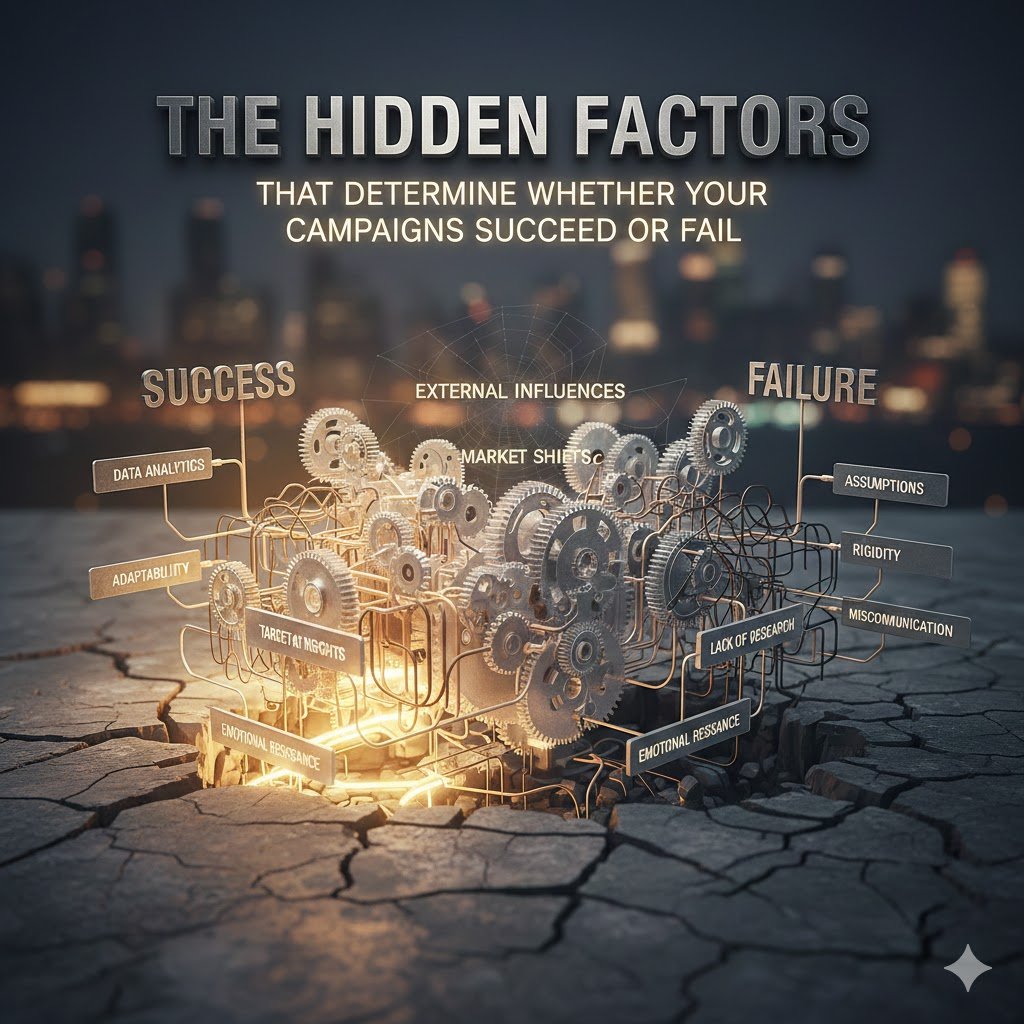
Every marketer dreams of campaigns that resonate with their audience, achieve high engagement, and deliver measurable results. Yet, despite careful planning and creative messaging, many campaigns fail to meet expectations. The difference between success and failure often lies not in the visible elements of your campaign, but in the hidden factors that influence performance behind the scenes. Understanding these factors is crucial for any marketer who wants consistent and sustainable results.
The Importance of List Quality and Verification
One often overlooked factor is the quality of your contact list. No matter how compelling your content, if your emails do not reach the right audience, the campaign is doomed from the start. This is where tools like an email verifier become invaluable. By ensuring that your list only contains valid and active email addresses, you reduce bounce rates, improve engagement metrics, and protect your sender reputation. Clean lists are not just a convenience; they are a critical foundation for any successful campaign.
Segmenting Your Audience for Maximum Impact
Audience segmentation is another hidden factor that can make or break your campaign. Sending the same message to your entire subscriber base is rarely effective. Each segment of your audience has unique preferences, behaviors, and pain points. Advanced segmentation allows you to tailor messaging to different groups, increasing relevance and response rates. Marketers who invest in understanding their audience and delivering personalized content consistently see higher conversion rates and stronger brand loyalty.
Timing and Frequency Matter
Timing and frequency play a crucial role in campaign success. Sending too many emails can annoy your audience and lead to unsubscribes, while sending too few may cause you to be forgotten. Understanding the optimal sending times for different segments, based on behavior and engagement patterns, can significantly enhance campaign performance. Similarly, aligning campaign timing with seasonal trends, product launches, or industry events can maximize relevance and impact.
The Role of Email Deliverability
As campaigns scale, another critical factor emerges: email deliverability. Even with a high-quality list and compelling content, poor deliverability can prevent your messages from reaching recipients’ inboxes. Deliverability depends on multiple factors, including sender reputation, authentication, content quality, and user engagement. Marketers must monitor these elements closely and take proactive steps to maintain high inbox placement rates. Deliverability issues often go unnoticed until metrics like open rates and click-through rates decline, making ongoing monitoring essential.
Content Quality and Design
Content quality is perhaps the most visible factor, yet it is intertwined with several hidden aspects that influence campaign outcomes. Subject lines, personalization, readability, and call-to-action clarity all impact engagement. However, subtle elements like avoiding spam-trigger words, balancing text and images, and ensuring mobile optimization also play a significant role. Attention to detail in content creation can differentiate campaigns that drive results from those that underperform.
List Hygiene and Engagement Monitoring
List hygiene and engagement monitoring go hand in hand. Removing inactive subscribers, analyzing click patterns, and re-engaging dormant contacts can significantly boost campaign effectiveness. Marketers who actively manage engagement metrics can identify which content resonates, which segments are most valuable, and which contacts may need nurturing or removal. This ongoing maintenance is often overlooked, yet it directly affects overall campaign health.
Technical Setup and Authentication
Another hidden factor is the technical setup of your email infrastructure. Using proper authentication methods such as SPF, DKIM, and DMARC ensures that your messages are recognized as legitimate by email providers. Failure to implement these measures can increase the likelihood of emails being marked as spam or rejected outright. Coupled with monitoring bounce rates, blacklists, and server performance, technical diligence is a key driver of sustained campaign success.
Automation and Behavioral Triggers
Behavioral triggers and automation are also underappreciated factors. Campaigns that respond to user actions, such as abandoned cart reminders, post-purchase follow-ups, or re-engagement sequences, tend to outperform one-size-fits-all campaigns. Automation allows marketers to deliver timely, relevant content without manual effort, enhancing both efficiency and effectiveness. Properly designed automated workflows can significantly improve conversion rates and overall campaign ROI.
Analytics and Reporting
Analytics and reporting are critical for uncovering hidden issues and opportunities. Tracking opens, clicks, conversions, and other key performance indicators provides insight into what is working and what needs adjustment. Beyond standard metrics, analyzing engagement patterns, device usage, and geographic trends can reveal subtle behaviors that influence campaign outcomes. Marketers who leverage data-driven decision-making are better equipped to optimize campaigns and anticipate potential pitfalls.
Reputation Management and Compliance
Finally, reputation management and compliance cannot be ignored. Maintaining a positive brand image and adhering to regulations such as CAN-SPAM, GDPR, and other data privacy laws influence both audience trust and technical deliverability. Campaigns that violate guidelines or irritate recipients risk unsubscribes, spam complaints, and even legal consequences. Proactive reputation management, combined with transparent and ethical marketing practices, ensures long-term campaign sustainability.
Conclusion
The success or failure of marketing campaigns is rarely due to a single factor. While visible elements like creative design and messaging matter, hidden factors such as list quality, segmentation, timing, deliverability, technical setup, engagement monitoring, automation, analytics, and compliance collectively determine outcomes. Marketers who understand and address these hidden variables are better positioned to create campaigns that not only reach their audience but also drive meaningful results. By paying attention to the unseen elements of campaign management, you can transform underperforming campaigns into consistent success stories.