Somewhere around a third of internet users worldwide now use a VPN. That stat surprises people, mostly because VPNs still carry this reputation as tools for hackers or the overly paranoid. They’re not. They’re closer to locking your car doors in a parking lot: basic, sensible, and weirdly controversial for no good reason.
But most explanations of how VPNs work read like they were written for network engineers. So here’s one that wasn’t.
The Short Version of How VPNs Work
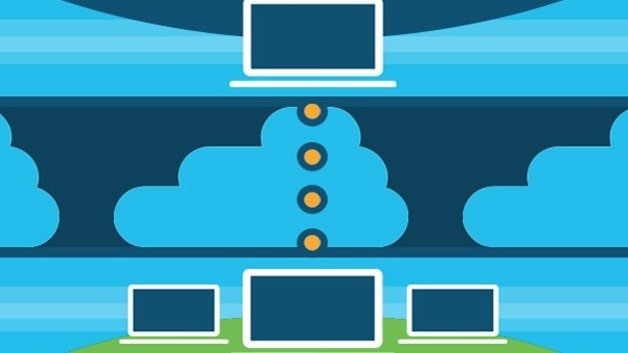
When someone turns on a VPN, their device opens an encrypted connection to a server run by the VPN provider. All internet traffic flows through that server first. Websites on the other end see the server’s IP address, not the person’s actual one.
Picture sending every piece of your mail through a P.O. box across town. The people receiving it know something arrived, but your home address never shows up. That’s basically the whole concept. The explanation of what is VPN connection at CometVPN walks through the specifics without getting too deep into the weeds.
Where it gets interesting is the encryption layer. Data traveling over open Wi-Fi (coffee shops, airports, hotel lobbies) is shockingly easy to intercept. We’re talking free tools and a YouTube tutorial level of easy. A VPN wraps everything in AES-256 encryption, which is the same standard financial institutions use. Even if someone grabs the data mid-transit, they’re staring at noise.
Why Normal People Actually Need This
The “I have nothing to hide” argument comes up constantly, and it misses the point entirely. This isn’t about hiding. Checking a bank balance on airport Wi-Fi, logging into work email from a hotel room, buying something online at a conference: all of that sends sensitive data over networks controlled by strangers.
Forbes reported in 2024 that the average data breach costs companies $4.45 million. Regular people obviously aren’t facing bills that big, but stolen credit card numbers and compromised passwords add up fast. A VPN closes off one of the simplest ways attackers grab that information.
There’s also the geographic side. Netflix libraries, news sites, even airline ticket prices look different depending on where a connection comes from. Routing through a VPN server in another country changes what shows up. Not a glitch, not a workaround. That’s just how IP-based content delivery has always worked.
Protocols: Less Scary Than They Sound
VPN protocol just means the set of rules that controls how data moves through the tunnel. Most apps choose one automatically, so this really only matters when something feels slow or keeps disconnecting.
OpenVPN has been around forever and still works well on almost everything. WireGuard showed up a few years ago and turned heads because it’s noticeably faster with a codebase of about 4,000 lines (compared to OpenVPN’s roughly 600,000). The Wikipedia entry on WireGuard has a decent technical breakdown for the curious.
Then there’s IKEv2, which handles switching between Wi-Fi and cellular data better than the other two. Good pick for anyone who mostly uses a VPN on their phone. No single protocol wins every scenario, so “best” really depends on the device and the task.
Where New Users Get Burned
Free VPNs top the list. A surprising number of them log everything and sell browsing data to advertisers. The whole point of a VPN is keeping traffic private, so handing it to an ad network defeats the purpose spectacularly. If there’s no subscription fee, the product being sold is almost certainly user data.
Thinking a VPN provides total anonymity is another trap. Cookies still track browsing habits. Browser fingerprinting still works. Staying logged into a Google account still ties activity to an identity. The Electronic Frontier Foundation’s VPN guide spells out what’s actually protected and what isn’t, which is worth reading before getting a false sense of security.
DNS leaks are sneakier. Sometimes a device sends certain requests outside the encrypted tunnel without the user knowing, which means an internet service provider can still see some browsing activity. Good VPN apps have kill switches and leak protection built in, but these settings aren’t always enabled out of the box. Worth double-checking after install.
What’s Coming Next
Post-quantum encryption is already on provider roadmaps. As quantum computing matures, today’s encryption standards could eventually become breakable, and the industry knows it. Data localization laws are spreading too, with more governments requiring that citizen data stay within national borders.
For anyone still on the fence, a VPN takes about five minutes to set up and covers a surprising number of everyday privacy gaps. Not every gap, but enough to make the small effort worthwhile.