It is a moment that seems to happen in slow motion: you watch as a precious ring, a set of keys, or perhaps a child’s favorite toy slips from the counter and plunges into the toilet bowl just as the flush cycle begins. The sudden panic that follows is universal, as the swirling water threatens to carry away an item of high sentimental or monetary value. However, before you assume that your lost possession is gone for good, it is important to understand that toilet plumbing is designed with a specific architecture that often traps heavy objects before they reach the main sewer line. Most household toilets feature an internal “trap”, a curved channel that holds water to block sewer gases, and this very curve is frequently the place where your “unflushable” item is currently resting. While the situation feels like an emergency, taking a methodical approach to retrieval can often save the day without necessitating a complete bathroom overhaul. Knowing how to navigate these systems and perhaps checking the blair supply usa website for insights on the various types of clamps and couplings used in home drainage can give you the technical confidence to address the issue properly before the item moves further into the system.
The First Rule of Retrieval: Stop the Flow Immediately
The most critical step you can take the moment you realize something has been flushed is to immediately cease all water usage in the home until the item is located. When you flush a toilet, the water doesn’t just disappear; it moves through a series of pipes that rely on gravity and pressure to transport waste, and any additional water entering the system could push your lost item further into the labyrinth of the main stack.
If the item is not immediately visible in the bowl, there is a strong possibility it is lodged in the “porcelain trap” of the toilet itself. This is the S-shaped or U-shaped curve built into the base of the toilet that you can see from the outside. If you continue to use other sinks, showers, or washing machines, the increased volume of water moving through the shared drainage lines creates a current that could dislodge the object from the trap and send it into the larger sewer pipes. In those deeper sections of the plumbing, retrieval becomes significantly more difficult and expensive. Consulting a professional resource like sandiegoemergencyplumbing can provide a sense of urgency and direction when you realize the item has moved past your reach, as expert intervention is often the only way to prevent a total loss. By keeping the pipes as dry as possible, you maximize the friction holding the object in place, giving you the best chance for a successful DIY recovery.
Assessing the Situation with a Visual Inspection
Before you reach for heavy tools or call for backup, you must perform a thorough visual assessment of the toilet bowl to see if the item is still within reach. Sometimes, an object is heavy enough that it sinks to the very bottom of the bowl or gets caught right at the entrance of the drain hole, even after the flush cycle has finished.
Using Protection and Proper Lighting
If you can see the item, do not try to flush again to “clear the view,” as this will almost certainly lose the item forever. Instead, put on a pair of heavy-duty rubber gloves to protect yourself from bacteria and reach into the bowl to fish the item out manually. If the water is too murky to see through, you might consider using a small container to bail out some of the water into a bucket, which can reveal the item resting at the bottom. A bright flashlight is also an essential tool here, as the glare of the water can often hide small jewelry or metallic objects that have settled into the crevices of the porcelain.
Harnessing the Power of a Plunger
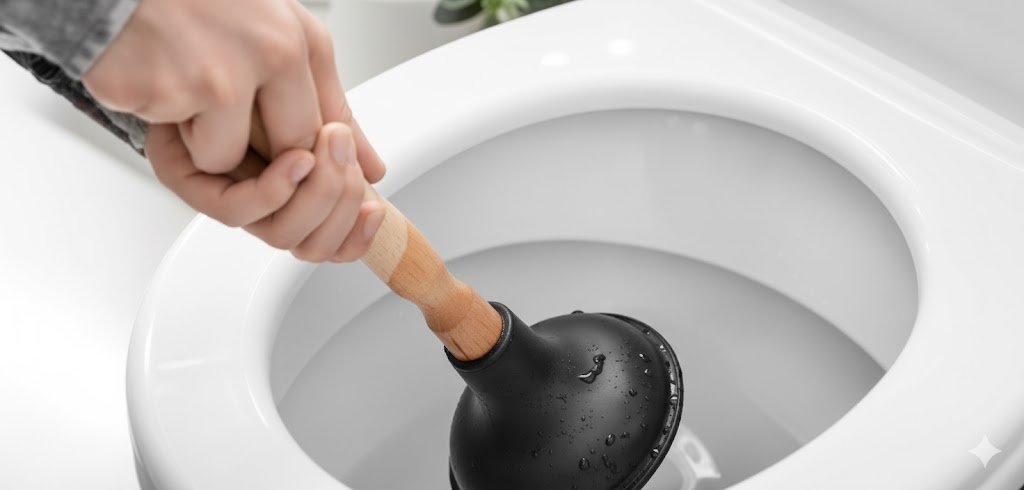
If a visual inspection yields nothing, the next logical step is to use a plunger, but you must use it with a very specific technique that differs from how you would clear a standard organic clog. Normally, we use a plunger to push a blockage down and through the pipes, but in the case of a lost item, your goal is the exact opposite.
You want to create a vacuum that pulls the object back toward you rather than pushing it away. To do this, place the plunger over the drain hole and press down slowly to release the air, creating a firm seal. Once the seal is established, pull back sharply and forcefully. This sudden suction can create enough of a pressure differential to “suck” the item out of the internal trap and back into the toilet bowl. It may take several attempts to generate enough force to move a heavier object like a phone or a thick wad of keys, but persistence is key here. Just remember to avoid the traditional “pumping” motion, as the downward stroke of that motion could inadvertently shove the item deeper into the plumbing.
The Risky Business of the Wire Hanger Method
When suction fails, many homeowners turn to a modified wire coat hanger to act as a makeshift hook, though this method requires a very delicate touch to avoid damaging the toilet. You should only attempt this if you are confident that you can feel the object and aren’t just blindly poking into the darkness of the pipes.
Fashioning the Perfect Hook
To start, straighten out a metal coat hanger but leave a small, tight hook at the very end, no more than an inch long. Gently insert the wire into the drain, following the natural curve of the porcelain trap. You should move the wire slowly, feeling for any resistance that doesn’t feel like the hard surface of the pipe. If you feel something “soft” or “movable,” try to loop your hook around it and pull back with a steady, even motion. If the item you lost is metallic, such as a ring or a pendant, you can try taping a small, powerful magnet to the end of the wire. However, be extremely careful; if the magnet or the tape comes loose, you have simply added another obstruction to your plumbing problem. Furthermore, be mindful of the porcelain finish, as metal hangers can leave grey scratches on the bowl that are difficult to remove.
Exploring the Depths with Advanced Technology
There comes a point in every DIY rescue mission where the limits of household tools are reached, and continuing to probe blindly can do more harm than good. If the item has moved beyond the trap of the toilet, it is likely sitting in the floor flange or the beginning of the lateral sewer line.
At this stage, professional intervention becomes the safest and most effective route because experts have access to fiber-optic camera inspections. These small, waterproof cameras are fed into the lines, allowing a technician to see exactly where the object is located without tearing apart walls or pulling up flooring. By seeing the orientation of the item, whether it’s snagged on a burr in the pipe or resting in a low spot, they can use specialized retrieval “snakes” with mechanical claws to grab the item and pull it back. This precision eliminates the guesswork and prevents the heartbreak of accidentally pushing a family heirloom into the city’s main sewer system.
When to Admit Defeat and Call for Help
While it is tempting to keep trying until you succeed, there is a fine line between a successful retrieval and causing a massive plumbing catastrophe that could cost thousands in repairs. If you have tried the plunger and the hook method without success, or if the toilet starts to back up when you use water elsewhere in the house, it is time to stop.
Forcing tools into the pipes can lead to cracked porcelain, punctured seals, or even collapsed sections of older piping. A professional can often pull the entire toilet off its base to access the area from underneath, which increases the success rate of retrieving items caught just past the trap. This process involves scraping away the old wax ring and inspecting the floor flange, a task that requires specific knowledge to ensure the toilet is reinstalled without leaks. Ultimately, the cost of a professional service call is a small price to pay compared to the loss of a valuable item or the cost of replacing your entire bathroom floor due to a DIY leak. Stay calm, keep the water off, and trust that with the right tools and patience, your lost item can likely be recovered.