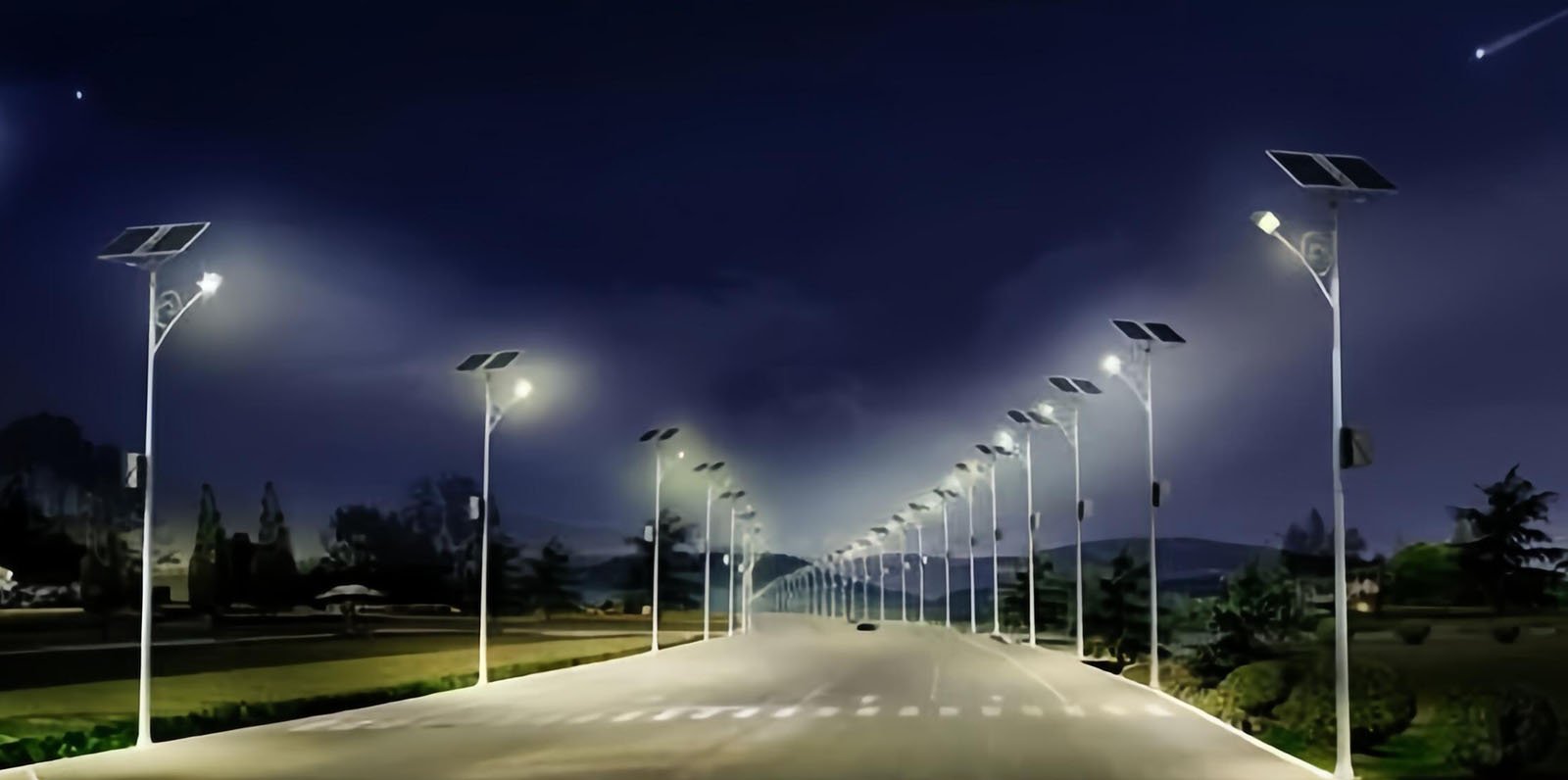
Suppose a Category 3 hurricane just swept through your town. The winds have died down, but the streets are pitch black. The grid is down. Emergency crews are trying to navigate damaged roads, families are checking on neighbors, and first responders need visibility to do their jobs safely. This is exactly where Modern Solar Street Lighting proves its worth, not as a convenience, but as a genuine lifeline that keeps working when everything else stops.
Why Grid Dependency Is a Problem During Disasters
When grid electricity fails, and during serious weather events, it almost always does, communities are left navigating darkness at the worst possible time. The risks aren’t abstract. Dark streets slow emergency response, increase accidents, and create fear in neighborhoods already under enormous stress.
- Streetlights and Emergency Response Go Hand in Hand
When first responders rush into a storm-affected area, visibility isn’t optional; it’s everything. Lit roads mean faster navigation, fewer accidents, and quicker access to people who need help. Losing street lighting during a disaster doesn’t just inconvenience residents. It actively slows down the people trying to protect them, sometimes with serious consequences.
- Power Outages Can Last Days, Not Hours
After a major storm, grid restoration often takes far longer than anyone expects. Utility crews deal with downed lines, flooded substations, and widespread damage across multiple zones. During that window, which can stretch from two days to two weeks, communities dependent entirely on grid power are left without any outdoor lighting infrastructure at all.
- Darkness Creates Secondary Safety Risks
Beyond the storm itself, darkness creates its own set of problems. Traffic accidents spike on unlit roads. Criminal activity tends to increase in areas without lighting. People trying to clear debris or check property damage after dark are working in genuinely unsafe conditions. The storm passes, but the risk doesn’t disappear with it, not until the lights come back on.
- Infrastructure Damage Compounds the Problem
Storms don’t just cut power; they damage the infrastructure that delivers it. Fallen poles, severed underground cables, and flooded transformer stations all add layers of complexity to restoration timelines. Communities that rely on a single centralized system have no backup when that system fails at multiple points simultaneously.
- Preparedness Planners Need Reliable, Independent Solutions
The job of a disaster preparedness planner is to think through failure scenarios before they happen. Grid-dependent lighting is a known failure point. Planning around it, not hoping it holds, is the more responsible approach. That shift in thinking is what leads communities toward infrastructure that doesn’t share the same vulnerabilities as the systems it’s meant to support.
How Solar Street Lighting Addresses These Gaps
Today’s systems are efficient, intelligent, and built specifically to perform under pressure, including the kind of pressure that comes with natural disasters and extended grid failures.
- Complete Independence from the Grid
Solar street lights generate and store their own power. When the utility grid goes down, these lights keep running because they were never connected to it in the first place. That independence is the single most important feature for any community that takes emergency preparedness seriously.
- Built-In Battery Storage for Extended Operation
Modern solar poles come equipped with high-capacity batteries that store energy collected during daylight hours. Even after multiple cloudy days following a storm, a well-designed system has enough reserve power to maintain lighting through the night, consistently and without any manual intervention required.
- Durable Enough to Survive the Storm Itself
No use in being storm-proofed in the first place, only to have the power poles blow over in the storm. Solar street lighting is designed to be sturdy, able to withstand high winds, rain, and other stresses that come with extreme weather. They’re built to still be standing when the storm passes.
- No Trenching Means Faster Post-Disaster Deploymentsolar poles
In case more light is required in a disaster area, solar poles can be used to provide this, as they are much easier to install in emergencies compared to conventional electrical installations, as no digging of cables is required, thus providing more light where it is needed as soon as possible, instead of relying on electrical services, which are already overwhelmed.
- Remote Monitoring Keeps Teams Informed During Crises
Many Solar Street Lighting systems include IoT-based monitoring that lets emergency management teams check the status of lighting infrastructure remotely. During a disaster, knowing which areas have active lighting and which don’t helps coordinators direct resources and personnel more effectively.
A Closing Thought
Storms will keep coming. Grids will keep failing. But the communities that plan, that invest in infrastructure designed to work independently, are the ones that stay safer when it matters most. Modern Solar Street Lighting isn’t just an energy solution. In a disaster, it’s a public safety decision that quietly holds a community together the first night the power goes out and every night that follows.