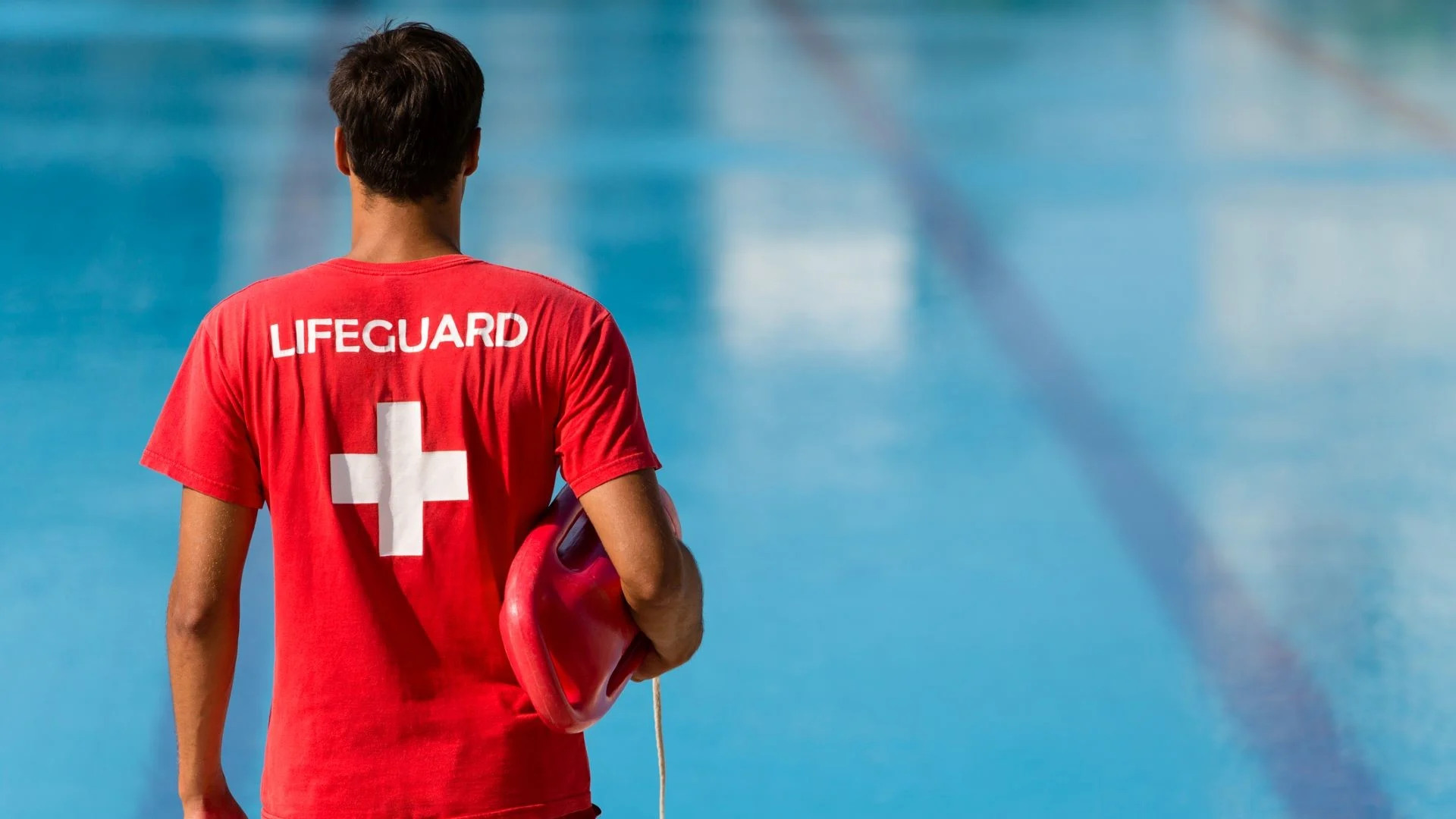
The American Lifeguard Association provides professional certification for rescue responders. You gain the skills to save lives. You prepare for a rewarding career in aquatic safety. Training focuses on immediate action and practical knowledge.
Professional lifeguard training provides the foundation for a career in aquatic safety. The ALA offers comprehensive programs designed to provide you with lifesaving skills. This training is an important skill for anyone responsible for safety at pools, beaches, or water areas. Lifeguard classes become very useful. Water activities are fun, but it can also cause accidents. That is why lifeguard classes become very useful.
The ALA is a special organization which is dedicated to providing professional and complete rescue skills. Their programs are designed for anyone who is interested in becoming a trained professional. ALA has long championed water safety education. The ALA promotes the safe and enjoyable use of aquatic environments through public service announcements and national news media interviews.
Pre Enrollment Checklist
You must meet specific physical standards before you register. Most programs require you to be at least 15 years old. You must swim 300 yards without stopping. Use front crawl or breaststroke. You need to tread water for two minutes using only your legs. You must retrieve a 10-pound object from a depth of 7 to 10 feet. Surface within 100 seconds to pass this drill.
Who should take Lifeguard Training
Anyone can become a trained rescue responder who is interested in water safety and also wants to help others. These classes help them stay safe around water, gain lifelong skills, and build the foundation for a healthy and active lifestyle.
• Many students join these classes to learn new skills.
• People who already know basic swimming can improve their abilities.
• Anyone who is interested in learning about water safety.
• Beginners can take these classes to learn basic water skills.
• Those people who want rescue skills.
Foundational Water Rescue Skills
Training starts with victim recognition. You learn to distinguish between a distressed swimmer and a drowning victim.
Active victim rescues involve front or rear approaches. You use a rescue tube to keep the victim afloat.
Passive victim rescues require you to submerge. You bring the unconscious person to the surface.
Spinal injury management teaches you how to stabilize a victim in the water. You use the head splint technique. These methods ensure the rescue responders can help effectively without putting themselves at risk.
CPR and AED Certification
Medical training is a core part of the course. You learn to handle cardiac emergencies. High quality chest compressions keep blood flowing to the brain. You practice on adult, child, and infant manikins. CPR is crucial skills in aquatic safety staff training. Students gain the confidence to respond immediately during medical emergencies.
The ALA teaches you how to use an Automated External Defibrillator. You apply pads to the chest. The device analyzes the heart rhythm. It delivers a shock if necessary. Rapid AED use within three minutes’ increases survival rates by 70 percent.
Practical First Aid Knowledge
You learn to treat common pool injuries. Training covers heavy bleeding control. You use direct pressure or tourniquets. You manage heat stroke and dehydration. You learn to recognize the signs of a stroke or diabetic emergency. These skills prepare you for medical crises on the pool deck. Students gain the confidence to providing lifesaving care until professional help arrives.
Waterpark and Specialized Training
The American Lifeguard Association offers specific endorsements for waterparks. These environments have unique hazards. You learn to monitor wave pools. You manage slide dispatch. You handle fast moving currents in lazy rivers. Waterpark guards often earn higher hourly wages due to the increased complexity of their zones.
Essential Lifeguard Equipment
During your training, you will master essential equipment:
• You must master the tools of the trade.
• Rescue Tubes provide buoyancy for two people.
• Whistles allow you to signal for help or warn patrons.
• Pocket Masks prevent direct contact during rescue breaths.
• Gloves protect you from blood borne pathogens.
• Polarized Sunglasses reduce glare so you see beneath the water surface.
Specialized Lifeguard Training
Advanced lifeguard training includes waterpark certification, where you learn:
- Wave pool safety management
- Slide dispatch and exit monitoring
- Lazy river current control
- High-volume crowd supervision
These skills increase employability and often lead to higher wages.
Tips to Succeed in Lifeguard Training
- Stay hydrated before every session
- Wear a secure, performance swimsuit
- Practice scanning every 10 seconds
- Study course materials before class
- Focus on breaststroke for rescue efficiency
Legal Responsibilities of Lifeguard
The certification proves that the person has learned important lifesaving skills.
Students also learn how to stay calm and act quickly. It is essential for everyone to get training. Rescue responder training is something that anyone can easily learn. It ensures that everyone is ready to respond safely. Certified lifeguards have a legal duty to act:
- Provide care within training guidelines
- Follow all safety protocols
- Document incidents properly
- Avoid distractions while on duty
Failure to act responsibly can result in legal liability.
Career Opportunities After Lifeguard Training
Completing a professional rescue responder course can open the door to several employment opportunities in aquatic environments.
Common workplaces include:
Public swimming pools
Private clubs and resorts
Waterparks
Beaches and coastal patrols
Indoor aquatic centers
Key Safety Principles in Lifeguard Training
Preparedness Over Panic
- Proper training allows lifeguards to manage rare emergencies calmly and effectively.
- Quick decision-making and coordination with emergency services save lives.
Importance of Public Education
- Beachgoers must know how to respond responsibly in unusual situations.
- Staying calm, following instructions, and avoiding risky behavior minimizes accidents.
Nationally Recognized Training Matters
- Lifeguards trained under ALA or equivalent programs meet federal safety standards.
- Certification ensures readiness for both routine and unpredictable aquatic hazards.
Start Your Lifeguard Training Today
The American Lifeguard Association provides everything you need to become a confident, certified professional. Select a course in your area. Complete the online registration. Begin your digital learning modules today. Preparation leads to confidence. Confidence leads to successful rescues. Start your journey as a certified lifeguard now. Your community relies on your vigilance.
- Gain life-saving skills
- Build confidence and discipline
- Access nationwide job opportunities
Enroll in lifeguard training today and begin your journey toward a rewarding career in aquatic safety.