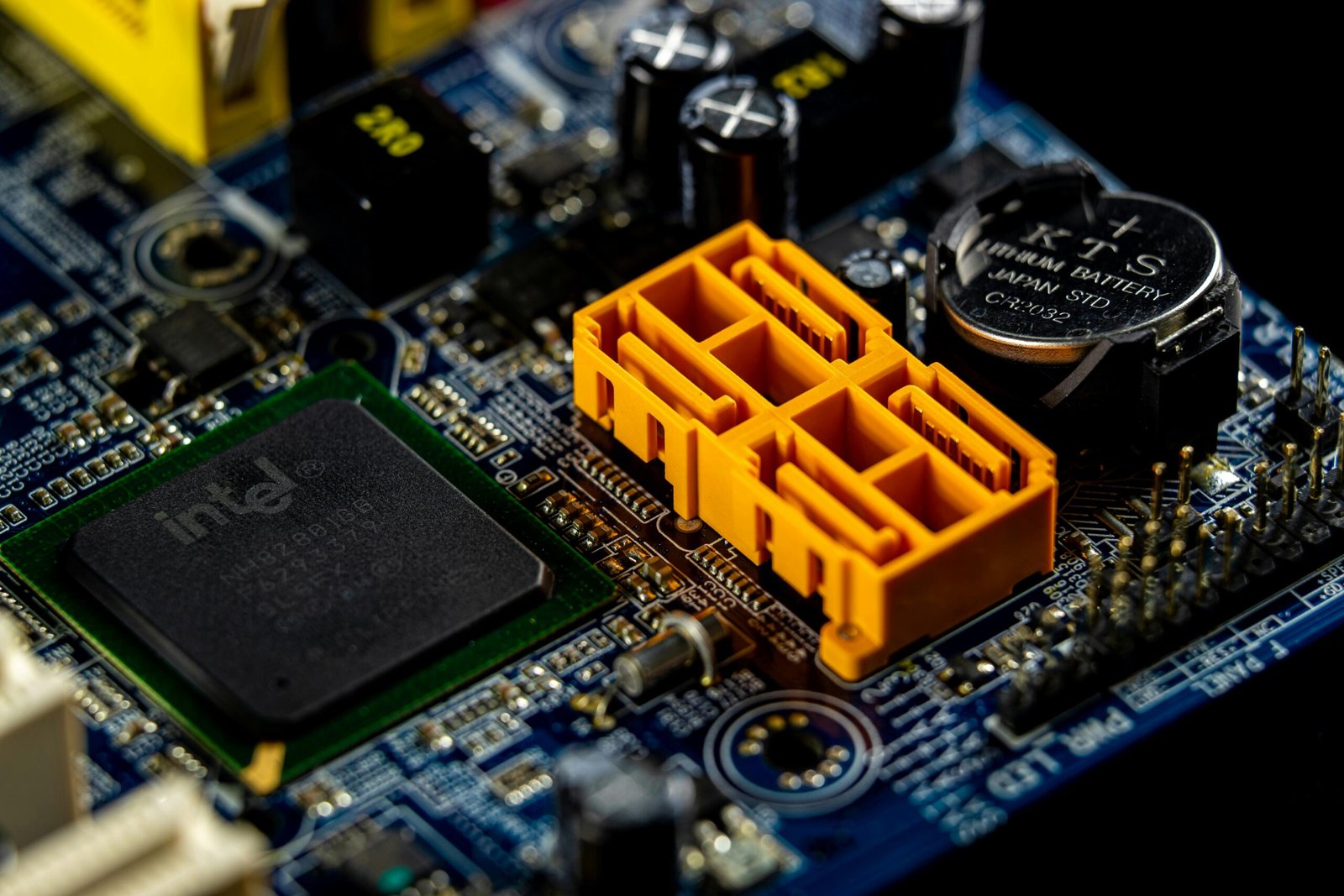
Off–the–shelf hardware plays a valuable role in modern engineering. It accelerates development, reduces upfront cost, and works well for many general–purpose applications. For products with predictable environments and modest performance demands, standardized components can be an efficient solution.
However, as applications become more specialized, constrained, or safety–critical, the limits of off–the–shelf hardware quickly become apparent. Embedded systems that operate under strict timing, power, environmental, or reliability requirements often expose gaps that generic hardware was never designed to address. Understanding why this happens helps explain when customization becomes not just beneficial, but necessary.
Designed for the Average, Not the Extreme
Off–the–shelf hardware is built to serve the widest possible market. Manufacturers optimize for cost, flexibility, and broad compatibility rather than niche performance requirements. This makes such hardware versatile, but also means it is designed around averages.
Specialized embedded applications rarely operate under average conditions. They may require deterministic timing, operate in harsh environments, or run continuously for years without interruption. When hardware is designed for general use, it often includes features that are unnecessary—or even harmful—in specialized contexts, such as background processes, dynamic power states, or nondeterministic peripherals.
In these cases, hardware that works perfectly in a lab or office setting may behave unpredictably when pushed beyond its intended envelope.
Timing Constraints That Generic Hardware Can’t Guarantee
One of the most common failure points for off–the–shelf hardware in embedded systems is timing predictability. Many specialized applications rely on deterministic behavior, where tasks must execute within known, fixed time bounds.
Generic processors and boards are optimized for throughput rather than determinism. They use caching, speculative execution, and complex interrupt handling to maximize performance. While these features improve average speed, they introduce variability that makes precise timing analysis difficult.
In systems where missing a deadline can cause instability or safety risks, this unpredictability becomes unacceptable. Engineers may spend significant effort attempting to constrain or work around timing issues, only to find that the underlying hardware architecture simply wasn’t designed for that level of control.
Power Management Mismatches
Power efficiency is another area where off–the–shelf hardware often falls short. Generic components typically support a wide range of power modes and configurations to accommodate diverse use cases. While this flexibility is useful in consumer electronics, it complicates power budgeting in embedded systems.
Specialized applications often operate within tight energy constraints or require predictable power consumption profiles. Dynamic frequency scaling, background power draw, and unused peripherals can introduce inefficiencies that are difficult to eliminate on generic platforms.
Over time, these inefficiencies can lead to excessive heat, shortened component lifespan, or failure to meet regulatory requirements. When power behavior cannot be tightly controlled, system reliability suffers.
Environmental and Longevity Challenges
Many embedded systems operate in environments far more demanding than those envisioned for consumer–grade hardware. Temperature extremes, vibration, moisture, dust, and electrical noise all affect component performance and durability.
Off–the–shelf hardware is typically qualified for controlled environments and limited duty cycles. In contrast, specialized embedded systems may need to function reliably outdoors, in industrial settings, or in mobile platforms for extended periods.
Longevity is another concern. Consumer–oriented components often have shorter lifecycle support, with rapid revisions and discontinuations. For embedded applications expected to remain in service for a decade or more, this lack of long–term availability creates maintenance and compliance risks.
Integration Complexity and Unnecessary Features
Generic hardware platforms are designed to be all things to all users. As a result, they often include peripherals, interfaces, and subsystems that are irrelevant to a given application. While these features may seem harmless, they increase complexity.
Every additional component introduces potential points of failure, consumes power, and complicates validation. In safety–critical systems, unused features may still need to be documented, tested, or disabled to meet compliance standards.
Integration challenges multiply as engineers attempt to tailor generic hardware to specialized needs. Software layers grow more complex, and troubleshooting becomes harder because behavior is influenced by components that are not essential to the application’s core function.
When Customization Becomes the Safer Choice
As constraints tighten, many teams reach a tipping point where adapting off–the–shelf hardware becomes more costly and risky than designing purpose–built solutions. This is where custom embedded systems provide a clear advantage.
Custom hardware allows engineers to select components specifically suited to the application’s timing, power, and environmental requirements. Unnecessary features can be eliminated, power paths optimized, and interfaces simplified. This focus reduces complexity and improves predictability.
Customization also enables tighter integration between hardware and software. When both are designed together, timing behavior becomes more transparent, power usage more controllable, and long–term reliability easier to guarantee.
Regulatory and Safety Considerations
In regulated industries, the shortcomings of off–the–shelf hardware become even more pronounced. Certification processes often require detailed documentation of system behavior, failure modes, and component provenance.
Generic hardware may lack the transparency or stability needed to satisfy these requirements. Changes in firmware, undocumented hardware revisions, or opaque internal behavior can complicate audits and increase legal exposure.
Custom solutions, while requiring more upfront effort, often simplify compliance by providing clearer control over system design and documentation. This clarity can reduce risk throughout the product lifecycle.
The Hidden Cost of “Good Enough”
Off–the–shelf hardware can appear cost–effective initially, but hidden costs emerge over time. Engineering hours spent debugging timing issues, managing power inefficiencies, or compensating for environmental limitations add up quickly.
As systems scale or operate longer, these costs compound. What started as a shortcut becomes a liability, forcing redesigns or expensive workarounds late in development.
In specialized embedded applications, “good enough” hardware often isn’t good enough for the long term.
Conclusion
Off–the–shelf hardware excels in general–purpose scenarios, but it is not designed for the extreme demands of specialized embedded applications. Timing unpredictability, power inefficiencies, environmental limitations, and integration complexity all contribute to its shortcomings in these contexts.
When reliability, determinism, and longevity are non–negotiable, customization becomes a strategic choice rather than a luxury. By designing hardware around specific constraints and goals, engineers gain the control and predictability needed to build systems that perform consistently where generic solutions fall short.