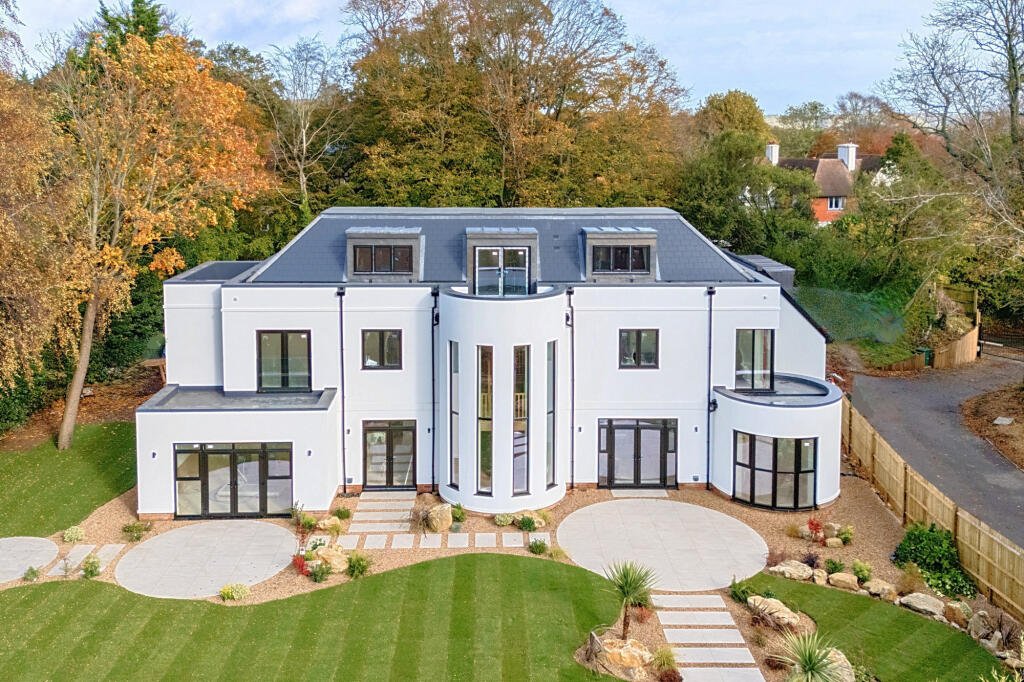
Buying a historic property is very different from purchasing a modern home. From listed building regulations to structural considerations, period homes often come with unique responsibilities as well as undeniable charm. For buyers exploring Kent’s historic property market, experienced Faversham estate agents can provide valuable guidance throughout the process. Known for its medieval streets, Georgian architecture, and rich heritage, Faversham remains one of Kent’s most attractive towns for buyers seeking character-filled homes with long-term appeal.
Historic homes offer individuality, craftsmanship, and a sense of history that modern developments often struggle to replicate. However, understanding what comes with owning an older property is essential before making a purchase. Whether you are considering a timber-framed cottage, a Georgian townhouse, or a Victorian terrace, being well informed can help you make a confident and practical decision.
Why Faversham Appeals to Historic Property Buyers
Faversham is one of Kent’s oldest market towns, and its architectural character is one of its biggest attractions. The town features a wide variety of historic properties, many of which date back several centuries.
Buyers are often drawn to Faversham because it combines period charm with modern convenience. The town offers:
- Historic streets and conservation areas
- Independent shops and cafés
- Strong transport links to London
- Access to countryside and coastline
- A strong local community atmosphere
- Diverse property styles and sizes
Unlike some heavily urbanised commuter towns, Faversham has retained much of its original character. This authenticity continues to attract buyers looking for homes with personality and heritage.
Many people relocating from London or other parts of the South East are particularly attracted by the opportunity to own a period property in a town that still feels traditional and community-focused.
Understanding Listed Buildings
One of the first things buyers should check is whether a property is listed.
A listed building is recognised for its historical or architectural significance and is legally protected. In Faversham, many older homes fall into Grade II listing categories, although some properties may hold higher classifications.
Owning a listed property can be rewarding, but it also comes with additional responsibilities. Changes to the property may require listed building consent, including alterations to:
- Windows and doors
- Roofing materials
- Interior layouts
- Fireplaces
- Exterior paint finishes
- Extensions or conversions
Even relatively small changes may require approval from the local authority.
Estate agents often recommend that buyers fully understand these restrictions before committing to a purchase, particularly if renovation plans are involved.
Character Features That Add Appeal
One reason historic homes remain so desirable is their distinctive architectural detail.
Unlike many modern properties, older homes often contain features that add warmth and individuality, including:
- Exposed timber beams
- Original fireplaces
- Sash windows
- Brick or flint façades
- High ceilings
- Traditional staircases
- Period flooring
These details help create homes with unique personality and visual appeal.
In Faversham particularly, buyers often value properties that retain original character while still offering practical modern living spaces.
However, buyers should also remember that period features sometimes require specialist maintenance or restoration over time.
The Importance of Specialist Surveys
Historic homes require careful inspection before purchase.
Standard mortgage valuations are not designed to uncover deeper structural concerns, so buyers are usually advised to commission detailed building surveys, particularly for older properties.
A specialist survey can help identify issues such as:
- Damp or timber decay
- Roof deterioration
- Structural movement
- Subsidence risks
- Outdated wiring or plumbing
- Insulation limitations
Older homes naturally age differently from modern buildings, and some movement or wear may be expected. However, understanding the scale of any issues upfront helps buyers avoid unexpected costs later.
Survey findings can also influence negotiations if significant repairs are required.
Conservation Areas and Planning Restrictions
Many historic parts of Faversham fall within conservation areas designed to preserve the town’s architectural identity.
Conservation areas aim to protect the appearance and heritage of local neighbourhoods. While these protections help maintain the town’s character, they may also affect future renovation plans.
For example, restrictions may apply to:
- Window replacements
- External cladding
- Satellite dishes
- Fencing and boundaries
- Demolition or extensions
Before purchasing a historic property, buyers should understand whether the home is located within a conservation area and what this may mean for future improvements.
Estate agents and solicitors can help buyers investigate planning history and local regulations during the transaction process.
Energy Efficiency Considerations
Historic properties can sometimes be less energy efficient than newer homes, particularly if they have older windows, solid walls, or outdated heating systems.
In 2026, buyers are increasingly aware of running costs and Energy Performance Certificate ratings. This does not mean historic homes are undesirable, but practical considerations are becoming more important.
Some owners choose to improve efficiency through:
- Secondary glazing
- Improved insulation
- Modern boilers
- Smart heating controls
- Draught-proofing measures
However, listed building restrictions may limit certain upgrades, so buyers should research what changes are permitted before planning improvements.
Balancing character preservation with modern comfort is often one of the key challenges of owning a historic property.
Location Still Plays a Major Role
Even within a historic town like Faversham, location significantly affects both lifestyle and property value.
Some buyers prioritise homes close to the station for commuting, while others prefer quieter roads near the countryside or properties within the town’s conservation areas.
Popular considerations include:
- Walking distance to amenities
- School catchment areas
- Parking availability
- Access to green spaces
- Proximity to shops and restaurants
- Transport links to London
Historic homes near the town centre or market areas are often particularly sought after because they combine architectural charm with convenient access to local facilities.
Maintenance Costs Can Be Higher
While historic homes offer strong lifestyle appeal, buyers should prepare for potentially higher maintenance costs.
Older properties may require more frequent upkeep than modern builds, especially if original materials need specialist repairs.
Common maintenance considerations include:
- Roof repairs
- Timber treatment
- Lime plaster maintenance
- Gutter and drainage upkeep
- Window restoration
Using inappropriate modern materials on historic homes can sometimes cause further issues, so specialist contractors may be necessary for certain repairs.
Although maintenance costs can be higher, many buyers feel the character and long-term appeal of historic homes make the investment worthwhile.
Why Local Estate Agents Are Valuable
Buying a historic property involves more than simply arranging a viewing and making an offer.
Local estate agents often have valuable knowledge about:
- Conservation area rules
- Listed building considerations
- Local market trends
- Historic property demand
- Typical maintenance concerns
- Planning history within the area
Experienced Faversham estate agents understand which streets and property styles are most sought after and can help buyers identify homes that suit both lifestyle preferences and long-term budgets.
They can also recommend local surveyors, solicitors, and specialists familiar with older buildings.
This local expertise can make the buying process significantly smoother, particularly for buyers unfamiliar with period properties.
Lifestyle Appeal Continues to Drive Demand
One of the main reasons historic homes remain popular in Faversham is the lifestyle they offer.
Buyers are increasingly seeking homes that feel distinctive and connected to their surroundings. Living in a period property often provides a stronger sense of place and history than newer developments.
Faversham’s blend of historic architecture, independent businesses, markets, pubs, and community events contributes to its enduring appeal.
For many buyers, owning a historic Kent home is about more than the property itself. It is about becoming part of a town with heritage, identity, and long-standing character.
Final Thoughts
Buying a historic property in Faversham can be an exciting and rewarding experience. From Georgian townhouses to centuries-old cottages, the town offers a wide range of homes filled with charm and individuality.
However, historic properties also require careful research and realistic expectations. Listed building regulations, maintenance responsibilities, energy efficiency considerations, and specialist surveys all form important parts of the buying process.
With the support of experienced Faversham estate agents, buyers can better understand both the opportunities and responsibilities that come with owning a historic Kent home.
For those willing to embrace the character and care these properties require, historic homes in Faversham continue to offer lasting appeal, strong lifestyle value, and a genuine connection to one of Kent’s most distinctive towns.