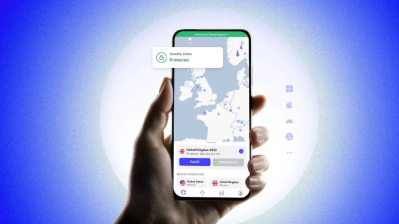
VPN sign-ups across the UK shot up sharply in mid-2025. ProtonVPN reported a sustained spike of more than 1,400% the day the Online Safety Act’s age checks took effect. NordVPN saw similar growth. Apple’s UK App Store was filled with VPN apps in the top ten downloads for weeks. That surge made VPNs front-page news, but the reasons people in Britain actually use them go beyond a single law and a single news cycle. This article walks through the practical reasons UK households reach for a VPN, what each one really does for you, and where a VPN stops being the right tool.
Age verification and the Online Safety Act
On 25 July 2025, age-check requirements under the Online Safety Act came into force. Adult sites, parts of social media, and platforms hosting content classed as harmful to children now have to verify users are 18 or over. Approved methods include uploading a passport photo, submitting to a facial scan, or running a credit card check.
A lot of adults pushed back. Not because they object to keeping children away from adult content, but because handing over a passport scan or a selfie to a third-party verification firm comes with real risks. The dating-safety service Tea had a breach the same week the law landed and leaked thousands of selfies and ID photos. The maths is straightforward. Every database of identity documents is a target.
A VPN routes your connection through a server outside the UK, so to the websites you visit you appear to be browsing from somewhere the law doesn’t apply. That’s the headline use case driving recent sign-ups. It’s also why over 6,000 adult sites had verification live by the deadline, yet VPN downloads kept climbing for months afterwards.
Your ISP keeps a log of where you go
British ISPs are required under the Investigatory Powers Act 2016, often nicknamed the Snooper’s Charter, to retain customer connection records for twelve months and hand them over to a long list of public bodies on request. That includes which sites you connected to, when, and for how long.
Most people aren’t doing anything that would interest the police. The objection isn’t legal exposure; it’s the same one people have to a flatmate reading their post. A VPN encrypts the traffic between your device and the VPN provider’s server, so what your ISP logs is “this customer connected to a VPN endpoint” rather than a list of every domain you visited. That doesn’t make you invisible. It shifts the trust question from “do I trust BT or Sky to handle my browsing history?” to “do I trust this VPN provider?”
A note worth making here. Not every VPN provider is straight with users about its logging practices. Some have been caught keeping records they said they didn’t keep. Independent audits and a base in a country with sensible data laws matter more than any marketing claim.
This is why it is important to understand how VPNs work by researching sites that have actually tested them, for example thebestvpn.uk gives tips on the top UK VPN services for privacy, streaming and speed. According to their claims, they actually test the VPNs, and this is backed up with price analysis. It’s a site, one of many, you can use to research how VPNs actually work.
Streaming services that don’t travel
British expats and short-term travellers are one of the steadiest groups of UK VPN users, just in reverse. BBC iPlayer doesn’t work outside the UK. ITVX is patchy. Channel 4 blocks most overseas IPs. If you’ve paid your TV licence and you’re in Madrid for a week, a VPN with a London server gets you back into iPlayer the same way it works for everyone else at home.
The reverse case applies inside the UK. Netflix’s American catalogue includes shows that never make it to the UK library due to licensing splits. Disney Plus, Prime Video, and Hulu all carve up content by region. A VPN lets you choose which catalogue you see. Whether that’s something the streaming services like is a separate question. Most have terms of service that prohibit it. None have ever pursued individual subscribers over it.
Sport and the strange map of football rights
The 3 pm Saturday blackout means Premier League games kicking off at three o’clock can’t be broadcast live in the UK. They can be streamed legally elsewhere. UK fans who want to watch their club at 3 pm have, for years, relied on overseas broadcasters, which means using a VPN.
It’s a similar story with Formula 1 and boxing. Sky Sports holds UK rights to most of it. A subscription that gets you the same content costs less in several other countries. Some fans use a VPN at the sign-up stage to get the better rate, although payment methods and address checks make that harder than it used to be.
Public Wi-Fi on the train, in the airport, in the cafe
The UK runs on free public Wi-Fi. Pret, the Tube, GWR, Costa, every airport. Most of it is open or uses a single shared password, which means anyone else on the same network can see unencrypted traffic. Modern websites use HTTPS, which protects the contents of what you send, but not always the metadata around it.
The honest version is that the threat from public Wi-Fi has shrunk significantly since the days when sniffing login credentials on a hotel network was easy. But it hasn’t disappeared. Captive portals can be spoofed. DNS queries leak which sites you’re visiting. If you bank, work, or do anything sensitive over public Wi-Fi, a VPN closes off most of what’s left.
ISP throttling on streaming and gaming
UK ISPs deny they throttle, and most of the time they don’t. But traffic shaping during peak hours is real. Some users see noticeably better streaming quality on Netflix and YouTube once a VPN hides what kind of traffic they’re sending. The same applies in reverse for gamers who hit congestion on a particular route. Routing through a VPN can sometimes give a cleaner path, sometimes a worse one. It’s worth testing rather than assuming.
Working from a cafe with company data on your laptop
Plenty of people work hybrid jobs and end up doing client work from coffee shops. If your employer doesn’t issue a corporate VPN, a personal one can help fill the gap. It encrypts the traffic, hides your IP from the network, and prevents whatever sketchy router you’re connected to from logging where your work calls go.
This is also relevant for journalists, researchers, and anyone whose browsing topics are sensitive. A VPN won’t make you anonymous, but it stops casual exposure to whoever runs the network you’re sitting on.
Shopping and travel
The mythology around using a VPN to get cheaper flights is mostly that, mythology. Pricing engines look at far more than IP address. But there are areas where VPNs do still shift prices. Software subscriptions sometimes cost less in other regions. Hotels occasionally show different rates to domestic and international visitors. Streaming sign-up prices vary widely. None of this is dramatic, and some of it edges into terms-of-service territory, but it’s a reason a fair number of UK users have a VPN sitting on their laptop.
What a VPN won’t fix
A VPN is not magic. A few honest limits are worth knowing.
- It doesn’t make you anonymous. If you’re logged into Google or Facebook, those companies still know who you are. They just don’t know which IP you’re using.
- It doesn’t protect you from malware. If you click a bad link, the VPN tunnels the malware safely to your device.
- It doesn’t replace good password hygiene, two-factor authentication, or a password manager.
Free VPNs are usually worse than no VPN. Several have been caught selling user traffic data, the exact thing people sign up to a VPN to avoid. If you’re paying nothing, the product is your data.
And one specific to the UK. The government has discussed VPN regulation in the wake of the Online Safety Act. VPNs are still legal, and there’s no realistic prospect of a ban, but enforcement pressure is moving towards the network level. If circumvention becomes the focus, app-based VPNs may face more friction than they have done historically. A router-level VPN, which protects every device on a home network at once, is one reason that setup is getting more attention.
So is a VPN worth it
For most UK households, the answer is yes, but not always for the reasons the marketing pitches. The strongest cases are stopping your ISP from building a record of your browsing, getting back into UK streaming services when you travel, and covering yourself on public Wi-Fi. Whether the age-check workaround matters to you is a personal matter. Whether the streaming catalogue swaps are worth it depends on what you watch.
What matters is choosing a provider with a real no-logs policy backed by an independent audit, paying for it rather than going with a free option, and not expecting it to do things it can’t.