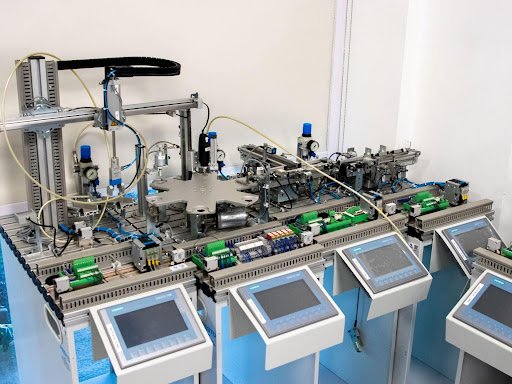
Modern industry is undergoing a fundamental transformation driven by the increasing availability of real-time data. Where operations once relied on periodic reporting and delayed insights, organizations now have the ability to monitor, analyze, and respond to conditions as they happen. This shift is redefining how decisions are made, moving businesses away from reactive management toward proactive, data-driven strategies.
The real-time revolution is not simply about collecting more information—it is about turning that information into actionable intelligence. By connecting systems, optimizing workflows, and enabling faster responses, real-time capabilities are reshaping industrial operations across sectors such as manufacturing, energy, logistics, and utilities.
The Shift from Delayed Insights to Immediate Awareness
Traditionally, industrial operations depended on historical data collected through manual processes or periodic system updates. While this approach provided valuable information, it often arrived too late to prevent problems. By the time an issue was identified, it had already impacted production, safety, or efficiency.
Real-time data changes this dynamic entirely. Sensors embedded in equipment and infrastructure continuously transmit information about performance, environmental conditions, and system status. This creates a live view of operations, allowing teams to understand what is happening at any given moment.
Immediate awareness enables faster responses to emerging issues. If a machine begins to operate outside normal parameters, operators can take corrective action before the problem escalates. This reduces downtime, improves efficiency, and minimizes the risk of costly disruptions.
The shift to real-time awareness also enhances accountability. With continuous data streams, organizations gain a clearer understanding of how processes are functioning and where improvements are needed.
Turning Data into Actionable Decisions
Collecting data is only the first step; the true value lies in how it is used to inform decisions. Real-time analytics tools process incoming data and present it in formats that are easy to interpret, such as dashboards, alerts, and visualizations.
These tools allow decision-makers to identify patterns, trends, and anomalies quickly. For example, if production output begins to decline, real-time data can reveal whether the issue is related to equipment performance, resource availability, or external factors. This insight enables targeted interventions rather than broad, less effective responses.
Automated decision-making is also becoming more common. Systems can be programmed to take specific actions when certain conditions are met, such as adjusting production speeds or activating backup systems. This reduces reliance on manual intervention and ensures that responses are consistent and timely.
By transforming raw data into actionable insights, organizations can make decisions that are both informed and immediate, improving overall operational performance.
Integrating Systems for Seamless Visibility
Achieving a comprehensive real-time view requires integration across multiple systems. Industrial environments often include a wide range of technologies, from production equipment to enterprise software. Bringing these systems together is essential for creating a unified perspective.
One critical tool in this integration is SCADA software, which connects sensors, control systems, and monitoring interfaces into a cohesive platform. By centralizing data and providing real-time visualization, these systems allow operators to monitor complex processes and respond effectively to changing conditions.
Integration extends beyond operational systems to include business-level platforms such as supply chain management and financial reporting. This connection ensures that decisions are informed by both operational and strategic considerations.
Seamless visibility reduces information silos, enabling teams across departments to work with the same data. This alignment improves communication, coordination, and overall efficiency.
Enhancing Efficiency Through Predictive Capabilities
Real-time data not only supports immediate decision-making but also enables predictive insights that drive long-term improvements. By analyzing historical and real-time data together, organizations can anticipate future conditions and plan accordingly.
Predictive maintenance is a prime example. Instead of waiting for equipment to fail, organizations can monitor performance indicators and schedule maintenance before issues occur. This approach reduces unplanned downtime and extends the lifespan of critical assets.
Similarly, predictive analytics can optimize resource allocation. For instance, understanding patterns in energy consumption allows organizations to adjust usage and reduce costs. In manufacturing, demand forecasting can guide production schedules, ensuring that output aligns with market needs.
These predictive capabilities transform operations from reactive to strategic. Organizations are better equipped to manage risks, allocate resources efficiently, and maintain consistent performance over time.
Improving Agility in a Dynamic Environment
The modern industrial landscape is characterized by rapid change and increasing complexity. Market demands fluctuate, supply chains face disruptions, and technological advancements continue to reshape operations. In this environment, agility is essential.
Real-time data supports agility by providing the information needed to adapt quickly. When conditions change, organizations can adjust processes, reallocate resources, and implement new strategies without significant delays.
For example, in logistics, real-time tracking enables companies to reroute shipments in response to disruptions. In energy systems, operators can balance supply and demand dynamically to maintain stability. These capabilities ensure that organizations remain responsive and resilient.
Agility also fosters innovation. With access to continuous data, organizations can experiment with new approaches, measure outcomes, and refine processes more effectively. This iterative approach supports continuous improvement and keeps businesses competitive.
Building a Data-Driven Culture
Technology alone is not enough to fully leverage the benefits of real-time data. Organizations must also cultivate a culture that values data-driven decision-making. This involves training employees to interpret data, encouraging collaboration across teams, and integrating data into everyday workflows.
Leadership plays a key role in this transformation. By prioritizing data transparency and investing in the necessary tools and training, organizations can empower their workforce to make informed decisions at every level.
A data-driven culture also emphasizes accountability. When decisions are based on measurable insights, it becomes easier to track outcomes and identify areas for improvement. This focus on continuous learning helps organizations adapt to changing conditions and maintain high performance.
Over time, this cultural shift reinforces the value of real-time data, ensuring that it remains a central component of operations.
Conclusion
The transition from traditional data practices to real-time decision-making is reshaping industrial operations in profound ways. By providing immediate insights, enabling predictive strategies, and supporting agility, real-time data has become a critical driver of efficiency and innovation. As industries continue to evolve, the ability to transform data into actionable decisions will remain a defining factor in achieving sustainable success and maintaining a competitive edge.