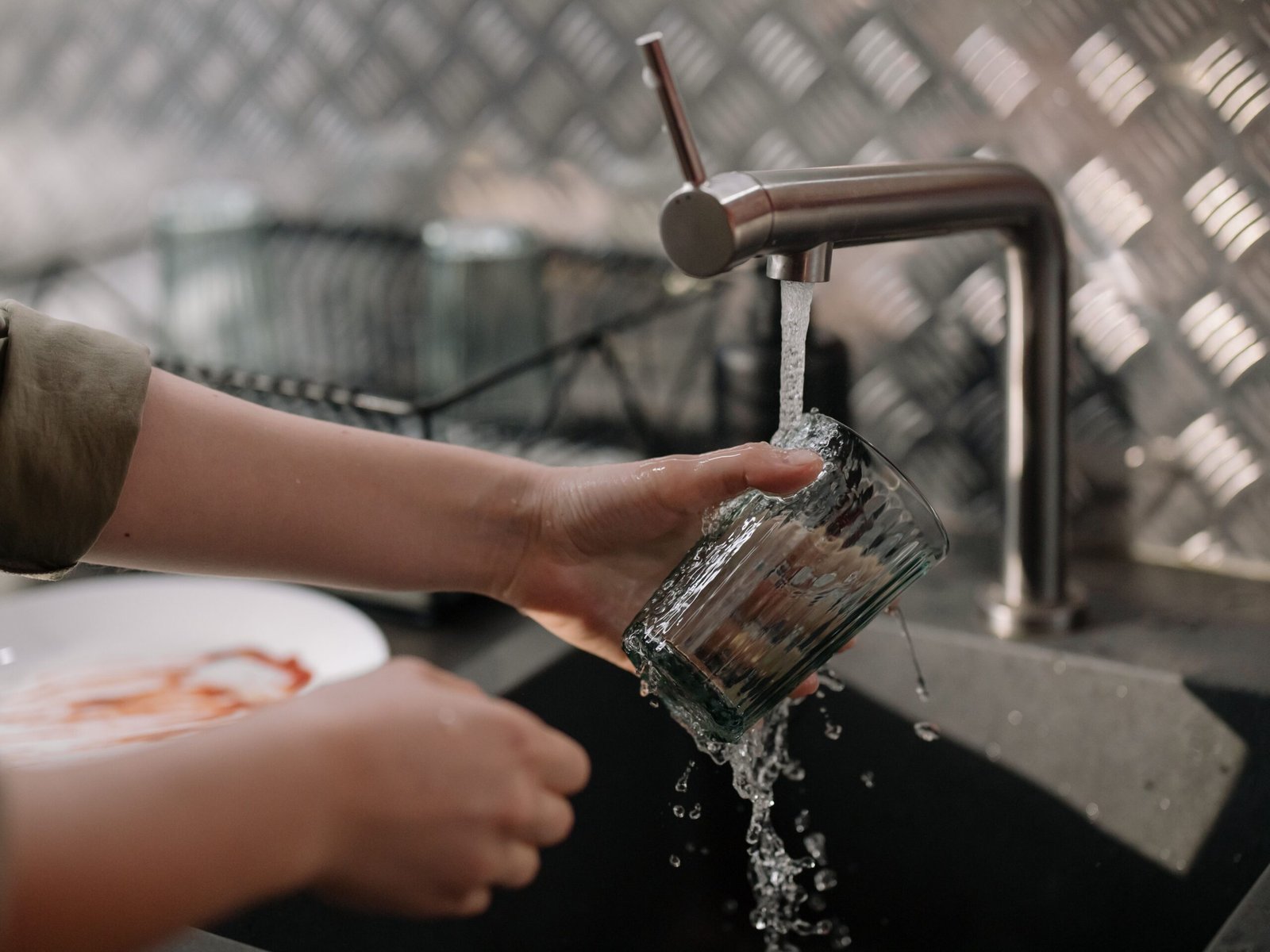
Hard water causes persistent cleaning challenges, such as white marks on taps and frequent limescale buildup on shower screens and kettles. Installing a water softener can help address these issues, but choosing a unit is only one part of the process. You should also consider your plumbing, available space, and how the installation will fit into your daily routine.
Before upgrading, it is important to understand the system you are installing, what your installer will need access to, and how softened water will integrate into your home. The following information outlines what UK homeowners should know before planning a water softener installation.
What to Check Before Booking an Installation
Start by assessing your property realistically. While plumbing experience is not necessary, it is helpful to know basic details about your home that an installer may ask to recommend the best setup.
Confirm Your Water Hardness
Local water hardness levels indicate the extent of your limescale issues. Check your water supplier’s website or arrange a test if your installer recommends it. Water hardness can vary by area, so your neighbour’s experience may differ from your own.
Identify a Suitable Location
Water softeners are typically installed near the incoming mains water supply. Ensure there is enough space around the unit for connections and future servicing. The unit should be easily accessible for refilling salt and inspections. Suitable locations include utility rooms, garages, under-stair cupboards, or large kitchen cupboards, depending on your home’s layout and pipework.
Consider Drainage and Access
Many systems require proper drainage as part of their operation, so confirm this before purchasing. Ensure your installer has enough space to work safely around existing pipes and fittings. While a small cupboard may seem convenient, it can make installation, refilling, and maintenance more difficult.
Plan for Indoor or Protected Placement
To prevent weather damage and freezing, water softeners are usually installed indoors. If outdoor installation is necessary due to limited indoor space, use a weatherproof and frost-resistant enclosure. Consult your installer before starting work to confirm the suitability of the chosen location.
What Happens During Water Softener Installation?
Most installations are straightforward plumbing tasks, but requirements may vary based on your property and the chosen system. A professional installer will first assess your home to ensure the installation is safe and suitable.
The Installer Assesses the Supply
Before starting, the installer will check the incoming water supply, available pipework, space, and the best location for the unit. They will also assess your local water hardness and advise if you need a bypass or a separate unsoftened drinking water tap.
The System Is Connected to the Right Part of the Supply
The system is connected to the main water supply to treat water for most of the house, while allowing for easy isolation during servicing. Plan the installation based on water supply routes, maintenance access, and drinking water setup, rather than simply choosing the nearest available cupboard.
The System Is Set Up and Explained
After installation, the installer should verify the system is working correctly and explain how to operate it. This includes showing you how to refill salt, use any bypass features, and identify when maintenance or service is needed.
Maintenance to Expect After Installation
Most water softeners are automatic but still require regular maintenance to function properly. Maintenance is straightforward if the unit is installed in an accessible location.
- Check Salt Level: Monitor salt levels regularly and refill with the appropriate type for your system.
- Make Unit Accessible: Do not enclose the system. Easy access simplifies refilling, inspections, and servicing.
- Follow Manufacturer Guidance: Each model has specific maintenance guidelines, so adhere to the recommended schedule for your system.
- Recommended Servicing: Some suppliers advise periodic servicing to ensure the system continues to function properly.
- Monitor for Changes: If you notice maintenance alerts, unusual water flow, or unexpected performance issues, monitor the system and address any concerns promptly.
While water softeners are not maintenance-free, proper installation in an accessible location makes upkeep easy.
Questions to Ask Before You Go Ahead
Ask practical questions before deciding to install a water softener. The answers will help you determine if the proposed setup suits your home and clarify what to expect after installation.
- Is there suitable access to the incoming water supply and drainage?
- Will I need a separate unsoftened tap for drinking or cooking water?
- What ongoing salt or maintenance does this specific system require?
- How much space is needed to refill and service the unit?
- Can the system be isolated for maintenance if needed?
By asking these questions before installation, you can choose a setup that is convenient, low-maintenance, and best suited to your household.
Conclusion
A successful water softener upgrade starts with understanding your home, not just buying a system. Checking water hardness, available space, plumbing, and maintenance needs will streamline installation. With the right preparation, you can select a setup that fits your home and helps prevent hard water problems for years to come.