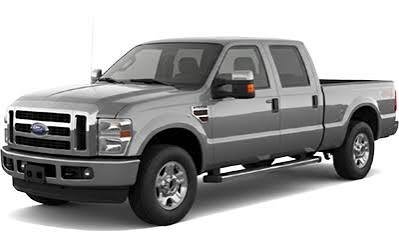
Quick Answer: The 2008–2010 6.4L Powerstroke can develop EGR carbon buildup, EGR cooler concerns, frequent DPF regeneration, rising exhaust backpressure, and reduced power. The right fix depends on whether the issue comes from the EGR system, DPF, turbocharger, cooling system, sensors, or fuel system. Diagnose the truck first, then choose repair or off-road hardware that matches the engine, calibration, and intended use.
The 6.4L Powerstroke, used in 2008–2010 Ford Super Duty trucks, is known for strong torque, serious towing capability, and a large aftermarket. It is also one of the Powerstroke generations where EGR and DPF operation can have a noticeable effect on drivability and maintenance as mileage builds.
Heavy towing, frequent idling, short trips, interrupted regeneration cycles, and poor maintenance can all contribute to soot accumulation or emissions-system problems. Common complaints include sluggish throttle response, frequent regeneration, coolant loss, higher exhaust temperatures, restricted airflow, and reduced engine performance.
The important part is separating an actual EGR or DPF problem from other issues that can produce similar symptoms. A boost leak, turbocharger problem, cooling-system fault, injector issue, or sensor failure can easily send an owner in the wrong direction.
How the 6.4L Powerstroke EGR and DPF Systems Work
The EGR and DPF systems perform different jobs, but they operate as part of the same emissions strategy.
EGR System
The exhaust gas recirculation system routes a controlled amount of exhaust gas back into the intake to reduce nitrogen oxide emissions. Because that exhaust contains soot, deposits can gradually build inside EGR passages, valves, coolers, and intake components.
Common EGR-related concerns include:
- Carbon buildup
- Restricted intake airflow
- EGR valve deposits
- EGR cooler concerns
- Coolant-related symptoms
DPF System
The diesel particulate filter captures soot from the exhaust. Once soot loading reaches a certain level, the truck initiates a regeneration cycle that raises exhaust temperature to burn the accumulated material.
DPF-related problems can include:
- Frequent regeneration
- Interrupted regeneration cycles
- Excessive soot loading
- Increased exhaust backpressure
- Restricted exhaust flow
- Reduced engine response
Common 6.4L Powerstroke EGR Problems
As soot moves through the EGR system, deposits can collect inside the intake and EGR passages. Over time, that restriction can reduce airflow and affect how consistently the engine responds under load.
For off-road, competition-only, or export applications where local law permits, a properly fitted 6.4 powerstroke egr delete configuration can support a more streamlined airflow path, application-specific fitment, and simplified EGR hardware when matched with the correct truck setup and calibration.
Carbon Buildup and Restricted Airflow
Carbon buildup is one of the most common EGR-related complaints on the 6.4L Powerstroke. Soot can collect in the EGR valve, intake passages, and related components, gradually reducing airflow.
Possible symptoms include:
- Slower throttle response
- Reduced engine power
- Rough running
- Lower fuel economy
- EGR-related fault codes
- Increased smoke under certain conditions
A dirty EGR system is only one possible cause. Boost leaks, turbocharger problems, fueling issues, or restricted exhaust flow can create similar symptoms.
EGR Cooler and Coolant Concerns
The EGR cooler uses engine coolant to reduce exhaust temperature before exhaust gas is recirculated through the intake.
Warning signs worth investigating include:
- Unexplained coolant loss
- White exhaust smoke or vapor
- Cooling-system pressure changes
- Temperature fluctuations
- Repeated coolant top-offs
These symptoms do not automatically prove the EGR cooler is the cause. Other cooling-system or internal engine problems can produce similar signs, so pressure testing and proper diagnosis should come first.
Common 6.4L Powerstroke DPF Problems
The DPF needs successful regeneration cycles to keep soot loading under control. Trucks that spend much of their time idling, making short trips, or shutting down during active regeneration may be more likely to develop soot-loading problems.
Frequent Regeneration
Frequent regeneration can be a sign that the filter is accumulating soot faster than expected or that the truck is not completing regeneration normally.
Possible contributing factors include:
- Short-trip driving
- Extended idling
- Incomplete regeneration
- Sensor problems
- Engine operating issues that increase soot production
Loss of Power
As exhaust backpressure increases, the engine may have a harder time moving exhaust efficiently. That can contribute to sluggish acceleration or reduced power under load.
However, low power should also trigger checks for:
- Boost leaks
- Turbocharger operation
- Fuel delivery
- Airflow sensors
- Charge-air system leaks
Higher Exhaust Temperatures
Regeneration intentionally increases exhaust temperature. If regeneration becomes unusually frequent or exhaust flow is restricted, thermal load on the exhaust and turbo system can increase.
Limp or Reduced-Power Mode
If the engine control system detects excessive restriction or another serious emissions-related condition, the truck may reduce power to protect the engine and aftertreatment system.
EGR, DPF, or Something Else?
One of the biggest mistakes 6.4L owners make is assuming every low-power or smoke complaint comes from the emissions system.
| Symptom | Possible EGR/DPF Cause | Other Areas to Check |
| Low power | Restricted EGR or high DPF backpressure | Turbocharger, boost leak, fueling, sensors |
| Coolant loss | EGR cooler concern | External leak, radiator, hoses, internal engine leak |
| Frequent regeneration | High soot loading | Sensor faults, fueling, operating conditions |
| Higher exhaust temperature | Regeneration or restricted exhaust flow | Turbocharger and fueling issues |
| Rough running | EGR flow problem | Injectors, sensors, fuel pressure, intake leaks |
Choosing the Right Setup for a 2008 6.4L Powerstroke
The 2008 model year uses the same basic 6.4L Powerstroke platform found through 2010, so hardware should be selected around exact fitment, intended use, supporting components, and calibration requirements.
For an off-road, competition-only, or export build, a compatible delete kit for 2008 6.4 powerstroke setup can bring matched exhaust, EGR-related hardware, and tuning components together in a more complete configuration built around proper fitment and coordinated performance.
Before choosing any setup, consider:
- Exact model year
- Current exhaust configuration
- Existing tuning
- Turbocharger condition
- Transmission health
- Cooling-system condition
- Hardware compatibility
- Intended use
A complete setup should be evaluated as a system rather than as a collection of unrelated parts.
Diagnose the Truck Before Replacing Parts
Whether the truck remains stock or is being prepared for an off-road build, diagnosis should come first.
Useful checks include:
- Stored and pending diagnostic trouble codes
- DPF differential pressure
- Exhaust temperature sensor data
- EGR command and position data
- Boost pressure
- Turbocharger operation
- Fuel-system condition
- Cooling-system pressure
- Charge-air leaks
Replacing parts without knowing the cause can quickly become expensive, especially on a 6.4L where several systems can produce overlapping symptoms.
How Driving Conditions Affect EGR and DPF Operation
A 6.4L Powerstroke used for long highway trips operates differently from a truck that spends most of its life idling around a jobsite or making short trips.
Operating conditions that can contribute to emissions-system problems include:
- Frequent short trips
- Extended idling
- Repeatedly interrupted regeneration
- Low-load operation
- Poor maintenance
Allowing the truck to reach full operating temperature can support normal DPF regeneration, but highway driving will not repair a failed EGR cooler, bad sensor, damaged turbocharger, or severely restricted system.
Common 6.4L Powerstroke Owner Mistakes
Assuming Every Power Loss Is a DPF Problem
Turbocharger problems, boost leaks, injectors, sensors, and fuel-system issues can all reduce power. Check the data before replacing emissions components.
Ignoring Coolant Loss
Repeated coolant loss should always be investigated. Waiting until overheating or heavy white smoke appears can turn a manageable issue into a much larger repair.
Replacing Parts Based Only on a Trouble Code
A diagnostic code shows what the control module detected. It does not always identify the failed component.
Using Poor-Quality or Incorrect-Fitment Parts
The 6.4L operates under high exhaust temperatures and heavy loads. Reliable hardware, correct fitment, and proper installation matter.
Ignoring the Rest of the Truck
A 6.4L Powerstroke is more than its EGR and DPF systems. Transmission condition, turbocharger health, cooling performance, fuel delivery, and maintenance history all affect reliability.
Maintenance Tips for Better 6.4L Powerstroke Reliability
Stay on Top of Oil Changes
Clean oil is important for engine lubrication and turbocharger protection. Follow the appropriate service interval for how the truck is actually used.
Use Quality Fuel and Filters
Good fuel filtration helps protect the injectors and fuel system, while clean combustion can help limit unnecessary soot production.
Watch Regeneration Behavior
If regeneration becomes noticeably more frequent, investigate the cause instead of assuming the truck simply needs to be driven harder.
Monitor Coolant
Know the normal coolant level and investigate unexplained changes early.
Pay Attention to Turbo and Boost Performance
A boost leak or turbocharger problem can feel similar to exhaust restriction, so airflow and boost should be part of any low-power diagnosis.
Legal Considerations
Removing, disabling, or altering factory emissions equipment may violate federal, state, provincial, or local regulations for vehicles used on public roads.
Products intended for off-road, competition, or export-only use should only be installed where the application and applicable law permit it. An “off-road” label by itself does not automatically make an emissions modification legal for street use.
FAQ
What years use the 6.4L Powerstroke?
The 6.4L Powerstroke was used in Ford Super Duty trucks for the 2008, 2009, and 2010 model years.
What are the most common 6.4L Powerstroke EGR problems?
Common concerns include carbon buildup, restricted EGR passages, EGR valve deposits, cooler-related symptoms, and coolant loss. Because similar symptoms can come from other systems, diagnosis is important before replacing parts.
Why does a 6.4L Powerstroke regenerate frequently?
Frequent regeneration can be associated with high soot loading, interrupted regeneration cycles, short-trip use, sensor problems, or engine operating conditions that increase soot production.
Can a restricted DPF cause low power?
Yes. Excessive exhaust backpressure can reduce engine performance. Turbocharger problems, boost leaks, fueling issues, and sensor faults should also be ruled out.
Can highway driving clean a clogged DPF?
Normal highway driving can help provide the operating conditions needed for a normal regeneration cycle, but it will not correct a severely restricted filter, failed sensor, or underlying engine problem.
Should I diagnose the truck before replacing EGR or DPF components?
Yes. Checking fault codes, exhaust pressure, temperatures, boost, turbo operation, fueling, and cooling-system condition can help identify the actual cause before parts are replaced.
Final Thoughts
The 6.4L Powerstroke remains a capable towing and performance platform, but its EGR and DPF systems need to be understood as part of the complete engine and exhaust system.
Carbon buildup, coolant concerns, frequent regeneration, reduced airflow, and exhaust restriction can all occur, but those symptoms should be diagnosed rather than assumed. Turbocharger, fuel-system, cooling, and sensor problems can overlap with emissions-system complaints.
Whether you keep the truck stock or build it for an off-road, competition, or export application, the strongest approach is the same: start with a healthy truck, verify the actual problem, use compatible hardware, match the calibration to the configuration, and treat the 6.4L as a complete system.