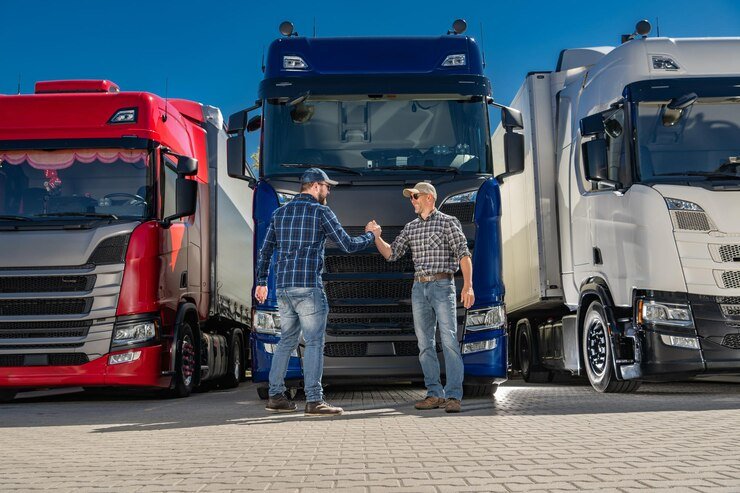
HGV traction services are growing fast across the UK logistics sector. Many industries now choose traction-only haulage to reduce costs and stay flexible. This service uses a tractor unit without owning trailers. Businesses only pay for the vehicle and driver. This simple model suits many industries with changing transport needs.
This write-up delineates the industries that benefit the most from HGV traction services. Additionally, it offers an explanation of why this model is so effective. Each section emphasizes a specific industry and its real needs.
What Are HGV Traction Services?
HGV traction services render just the powered unit and the driver. The customer or another partner provides the trailer. This model eliminates the necessity of purchasing or managing trailers.
Companies do not have to pay for storage, maintenance, and insurance of the trailers. They also get to enjoy flexibility during peak or off-peak times. Usually, the traction services are for a short or long term contracts. This arrangement is appropriate for industries with erratic or seasonal demand.
Retail and E-Commerce Industry
Retail and e-commerce sectors reap huge benefits from traction services. Demand is changing quickly during sales periods, festivals, holidays, and promotions. Traction-only vehicles easily expand the transport capacity without long-term commitment
Usually, retailers have trailers already which they either own or lease. They only require tractor units with drivers. Traction services effectively bridge this gap. E-commerce deliveries are often tightly-timed. Trustworthy traction drivers ensure that delivery times are met. This in turn leads to happy customers and a good reputation for the brand.
Manufacturing Industry
Manufacturing is heavily dependent on continuous and consistent supply chains. Daily shipments of raw materials and finished goods are the norm. A delay in one area can cause the entire production line to halt.
The traction services provide the manufacturers with a reliable transport facility without the necessity of full fleet ownership. The manufacturers can store their trailers at loading docks. The drivers will pick them up when the loads are ready. This minimizes waiting time and yard congestion. It also results in reduced fleet ownership and staffing costs.
FMCG and Food Distribution
Fast-moving consumer goods need constant movement. Food products often have strict delivery windows. Fresh items require fast and reliable transport.
Traction services support time-critical deliveries. Drivers collect preloaded trailers and deliver immediately. This keeps products fresh and reduces waste. Companies also avoid investing in large fleets. This improves cash flow and operational control.
Construction Industry
Construction projects demand logistics support that is flexible. The site’s location is highly variable. Transport needs fluctuate during the project’s execution. The traction companies provide the number of vehicles required. Thus, the companies do not have to possess expensive vehicles that are hardly used. Consequently, one of the benefits is that cost related to idle fleet is reduced. On-site trailers waiting for loading are the norm. Drivers come only when there is a need for transporting. Such a situation proves to be advantageous for complicated construction schedules.
Pallet Network Operators
Pallet networks move goods between hubs daily. They depend on fast trunking services. Traction-only vehicles are ideal for this model.
Trailers are preloaded at hubs. Drivers collect and deliver without delays. This keeps networks running smoothly overnight.
Traction services help manage peak volumes. Extra vehicles can be added easily. This supports network growth and reliability.
Logistics and Third-Party Providers
Logistics companies that are third-party usually have multiple clients. Each client has their distinct transport requirements. Hence, flexibility is a crucial factor for success. The traction services offer very quick scaling. The providers can increase their capacity without having to purchase new trailers. This, in turn, minimizes the financial risk. In addition, it is very easy to make changes to contracts or carry out short-term projects. Companies continue to be competitive and flexible.
Waste Management and Recycling
Waste and recycling companies have special trailers for their operations. These trailers are located at the site of the customers. Only the tractor unit is moving between the locations.
Traction services are a perfect fit for this type of operation. The drivers pick up the loaded trailers at the scheduled times. Thus, the operations remain efficient and the companies comply with regulations. The companies owning the fleet costs are reduced. They also easier planning of maintenance.
Automotive and Parts Distribution
The automotive supply chains can be very complex and they are also time-sensitive. The parts deliveries to the factories must be done according to strict schedules. Delays can lead to the stoppage of vehicle production. The traction services give reliable transport capacity. Trailers are loaded with parts in advance. The drivers are delivering the parts to the factories ensuring that the delivery is timely. This in turn helps the just-in-time manufacturing systems.
Agriculture and Farming Industry
Agriculture is highly seasonal. Transport demand peaks during harvest periods. Vehicle needs drop during off-season months.
Traction services offer seasonal flexibility. Farmers avoid owning vehicles used only briefly. This saves money and storage space. Trailers can remain on farms. Drivers collect produce when ready.
Event and Exhibition Logistics
Events make it necessary to have short-term transport help. Loads are quickly moved between the venues. Timing for setup and breakdown is critical. Traction services are ideal for temporary logistics. Companies do not have to commit to a long-term fleet. The vehicles are available only when needed. This results in reduced prices and less planning pressure.
Benefits Shared Across All Industries
Most industries share similar benefits from traction services. Costs remain predictable and controlled. Capital investment stays low.
Flexibility improves operational planning. Businesses scale transport easily. Downtime and idle assets reduce. Professional drivers improve service quality. Compliance and safety standards remain high.
When Traction Services May Not Suit
Traction services are not ideal for every business. Companies without trailers may struggle. Highly specialised vehicles may require ownership. Some operations need full fleet control. Others require branded vehicles. These factors may limit traction use.
Conclusion
HGV traction services support many UK industries. Fleet trucks and vans Retail, manufacturing, and logistics benefit the most. Seasonal and time-critical sectors gain major advantages.
This model reduces costs and increases flexibility. It supports modern supply chain demands. Many industries now depend on traction services daily.
As transport needs change, traction services continue growing. They offer smart solutions for modern businesses.