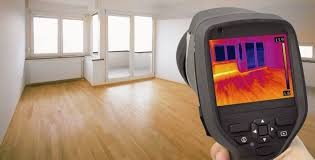
Hidden leaks can be one of the most frustrating problems for homeowners. You may notice damp patches, peeling paint, or a musty smell, yet have no idea where the water is actually coming from. Traditionally, finding a leak meant breaking into walls or floors, often causing more disruption than necessary. Today, modern solutions like thermal imaging leak detection have completely changed the way leaks are identified, making the process faster, cleaner, and far more accurate.
What Is Thermal Imaging and How Does It Work?
Thermal imaging is a smart and non-invasive method used to detect temperature differences behind surfaces. Special cameras capture heat patterns and display them as images, allowing professionals to spot unusual cold or warm areas that may indicate the presence of water.
When a pipe leaks behind a wall, it changes the temperature of the surrounding materials. Thermal cameras pick up these subtle differences, helping experts locate the problem without cutting into walls unnecessarily.
This approach has become a key part of modern infrared leak detection services, offering a reliable way to uncover hidden issues while keeping your home intact.
Why Hidden Leaks Are Hard to Detect
Leaks behind walls or under floors are not always obvious. Water can travel along surfaces, meaning the visible damage is not always where the leak actually started.
Common challenges include:
- Pipes hidden inside walls or ceilings
- Moisture spreading across different areas
- Minimal visible signs in early stages
- Multiple potential sources of the problem
That is why homeowners often rely on professionals like 0800 homefix to identify leaks quickly and accurately using modern techniques.
The Role of Thermal Imaging in Leak Detection
Thermal imaging plays a crucial role in modern leak detection by identifying temperature variations that are invisible to the naked eye. When water escapes from a pipe, it alters the temperature of the surrounding materials, creating patterns that can be detected using specialised equipment.
This allows professionals to locate hidden leaks without unnecessary disruption. Moisture trapped behind walls often creates cooler areas compared to dry sections, and thermal cameras highlight these differences to pinpoint the source. In hot water systems, leaks can produce unusual heat patterns, which is where heat loss leak detection becomes especially useful, revealing areas where heat is escaping due to a fault. Thermal imaging is also highly effective for detecting leaks beneath flooring, identifying temperature changes without the need to lift tiles or floorboards.
Benefits of Thermal Imaging Leak Detection
This modern approach offers several advantages over traditional methods.
● Non-invasive process with no need to break walls or floors
● Faster results, often identifying leaks in a single visit
● Accurate diagnosis by clearly showing temperature differences
● Reduces guesswork compared to traditional detection methods
● Cost-effective solution due to minimal damage and fewer repairs
● Helps detect hidden leaks behind walls and under floors
● Saves time and prevents unnecessary disruption in your home
When Should You Consider Thermal Imaging?
Not every leak requires advanced detection, but there are certain situations where thermal imaging is especially helpful.
- Persistent damp patches with no visible source
- Unexplained increase in water bills
- Warm or cold spots on walls or floors
- Recurring leaks that have not been properly resolved
- Suspected underfloor or behind wall leaks
If you notice any of these signs, it may be time to explore advanced leak detection technology to get a clear answer.
What Happens After the Leak Is Found?
Once the leak is located, professionals can focus on repairing only the affected area. This targeted approach minimises disruption and ensures the issue is resolved efficiently.
The process usually includes:
- Confirming the exact location of the leak
- Carefully accessing the affected area
- Repairing or replacing damaged pipes
- Testing the system to ensure everything is working correctly
This method not only saves time but also prevents unnecessary damage to your home.
Why Professional Expertise Matters
While thermal imaging is a powerful tool, it requires experience to interpret the results correctly. Not every temperature variation indicates a leak, and understanding the difference is crucial.
Professionals combine thermal imaging with other techniques and their own expertise to ensure accurate results. This comprehensive approach provides peace of mind and ensures that no underlying issues are missed.
Discover Smarter Leak Detection Solutions with 0800 homefix
Hidden leaks no longer have to mean unnecessary damage or stress. With modern tools and expert knowledge, problems can be identified and resolved quickly and efficiently. 0800 homefix offers reliable, professional solutions that combine precision with care, ensuring your home stays safe and well maintained.
Take the next step toward a leak free home with experts you can trust to get the job done right.
FAQs
1. Is thermal imaging safe for my home?
Yes, it is completely safe and non-invasive, as it only detects temperature differences without causing any damage.
2. Can thermal imaging detect all types of leaks?
It is highly effective for many hidden leaks, especially those behind walls or under floors, but may be combined with other methods for best results.
3. How long does thermal imaging leak detection take?
Most inspections can be completed within a few hours, depending on the size of the property.
4. Do I need to prepare my home before an inspection?
In most cases, minimal preparation is needed, although access to affected areas can help speed up the process.